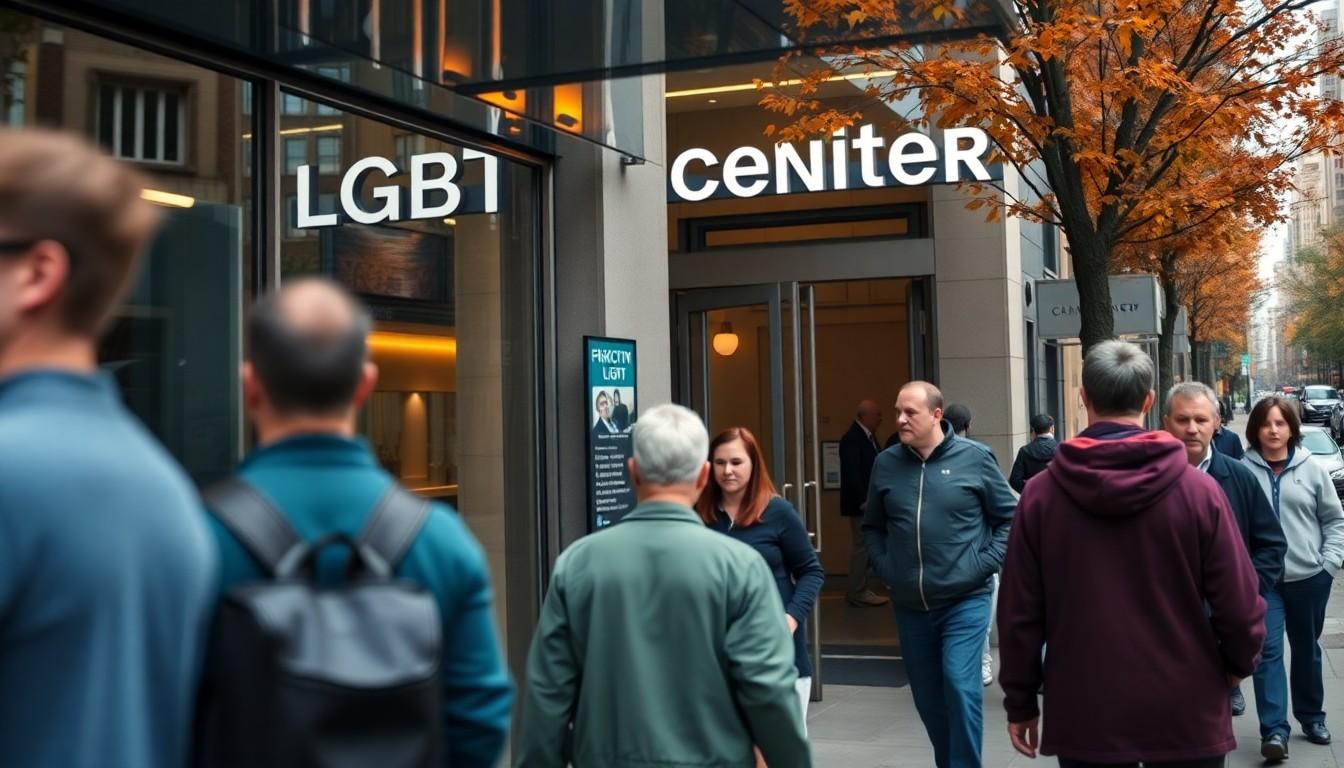
Organisers are bringing climate change and mental health into the same room at Manhattan’s LGBT Center, with the 12th annual In My Mind conference offering a full day of discussion, reflection and collective care for 2SLGBTQ+, Indigenous, Black and other communities of colour.
Essential Takeaways
- A full-day programme: The conference runs from 9am to 6pm at the LGBT Center in Manhattan.
- This year’s focus: “Collective Care: A Climate Solution” links environmental pressure with emotional wellbeing.
- A broad speaker line-up: Researchers, organisers and community leaders from the US and overseas will take part.
- Practical support is built in: Attendees can expect breakfast, lunch and wellness breaks alongside talks and panels.
- Registration matters: The programme and booking information are available through the event’s official website.
Climate change and mental health take centre stage
Climate anxiety can feel vast and isolating, particularly for communities already dealing with discrimination, displacement or unequal access to care. In My Mind’s 2026 conference aims to shift that conversation towards solidarity, asking how collective action can become part of the solution.
Taking place at the LGBT Center in Manhattan, the event is designed as more than a string of lectures. Its format combines keynote remarks, community discussion, memorial, breakout sessions and wellness pauses, which should make the day feel thoughtful rather than relentlessly heavy. The official programme sets the event’s theme as “Collective Care: A Climate Solution”. (According to the conference programme.)
The emphasis is especially relevant for 2SLGBTQ+, Indigenous, Black and other communities of colour, whose experiences of environmental risk and mental health pressure aren't always discussed together. That intersection is where the conference hopes to add useful depth. (The conference programme outlines the event's focus and sessions.)
A deliberately wide range of voices
The speaker list reaches across community organising, environmental advocacy, mental health and academia. Featured contributors include Meghsha Pskwasaw8n Barner of the Native LGBTQ+ Center for Equality, Damon Watkins and Jess Lassoff-Santos of I-Care, Aidil Iman of Greenpeace Malaysia and Fortunate Silinda of the University of South Africa.
That international mix matters. Climate change doesn't stop at national borders, while the language used to discuss care, stigma and resilience can vary widely between communities. Bringing those perspectives together should give attendees more than a familiar New York view of the crisis. (The official programme lists the featured speakers and contributors.)
The day will begin with a Two-Spirit Ancestral Invocation by Jason Johnson of the Shinnecock and Cheyenne Nations. Iman and Silinda are then scheduled to deliver keynote remarks, setting up a programme that blends cultural recognition with wider environmental and mental health discussion. (The conference programme details the opening schedule.)
What attendees can expect on the day
The conference runs from 9am until 6pm, giving the schedule room to move between larger talks and smaller conversations. An afternoon memorial, “We Remember Our Own”, will provide a quieter moment of remembrance before further panel and workshop activity.
Talia Santiago-Bonds of the New York State Office of Mental Health is set to lead a discussion involving government agencies. That could be particularly useful for visitors who want to understand how public institutions are responding to overlapping climate and wellbeing challenges, rather than hearing only from campaigners. (The official programme outlines the memorial and government panel.)
Food and wellness breaks are also included, with a light breakfast and lunch planned. It sounds like a small detail, but for a long conference day it can make a real difference, especially when the subject matter is emotionally demanding. (The programme lists the hospitality and wellness arrangements.)
Breakout sessions put intersectionality into practice
The smaller sessions are where the event's central idea becomes most concrete. Topics include “Intersectionality in Action: Mental Health and Eco-Justice”, alongside a discussion of climate, stigma and the mental health of Caribbean LGBTQ+ and gender-marginalised communities.
Another session will examine AI use in corporate and non-profit America, with a focus on equitable, climate-forward thinking. That adds a timely technology angle to the programme and suggests the organisers are interested in how systems and decision-making tools can either reinforce inequality or help challenge it. (The official conference programme describes the breakout themes.)
For attendees choosing sessions, the simplest approach is to start with the issue closest to home, then use a second slot to explore an unfamiliar perspective. A conference like this is often most valuable when the timetable offers both practical insight and a little productive discomfort. (The programme provides the session choices and descriptions.)
Why collective care feels like a timely idea
The conference's underlying argument is straightforward: climate action isn't only about emissions, infrastructure or policy. It also concerns how people cope, organise and look after one another while facing an uncertain future.
That framing may appeal to anyone tired of climate conversations that leave them informed but emotionally stranded. By placing mental health, cultural memory and community responsibility alongside environmental justice, In My Mind is treating care as something active, shared and political. (The official programme presents collective care as the event's guiding theme.)
The day will close with a Two-Spirit invocation, echoing its opening and giving the programme a sense of continuity. For visitors, that closing ritual may be a meaningful reminder that climate work isn't just about surviving pressure; it's also about preserving connection. (The conference programme sets out the closing invocation.)
It's a thoughtful reminder that climate resilience starts with people caring for one another.
Source Reference Map
Story idea inspired by: [1]
Sources by paragraph:
- Paragraph 1: [2], [3]
- Paragraph 2: [3], [4]
- Paragraph 3: [5], [6]
- Paragraph 4: [3], [7]
- Paragraph 5: [4], [5]
- Paragraph 6: [3], [6]
- Paragraph 7: [4], [7]
- Paragraph 8: [3], [5]
- Paragraph 9: [4], [6]
- Paragraph 10: [3], [7]
- Paragraph 11: [4], [5]
- Paragraph 12: [3], [6]
- Paragraph 13: [4], [7]
- Paragraph 14: [3], [5]
- Paragraph 15: [4], [6]
- Paragraph 16: [3], [7]