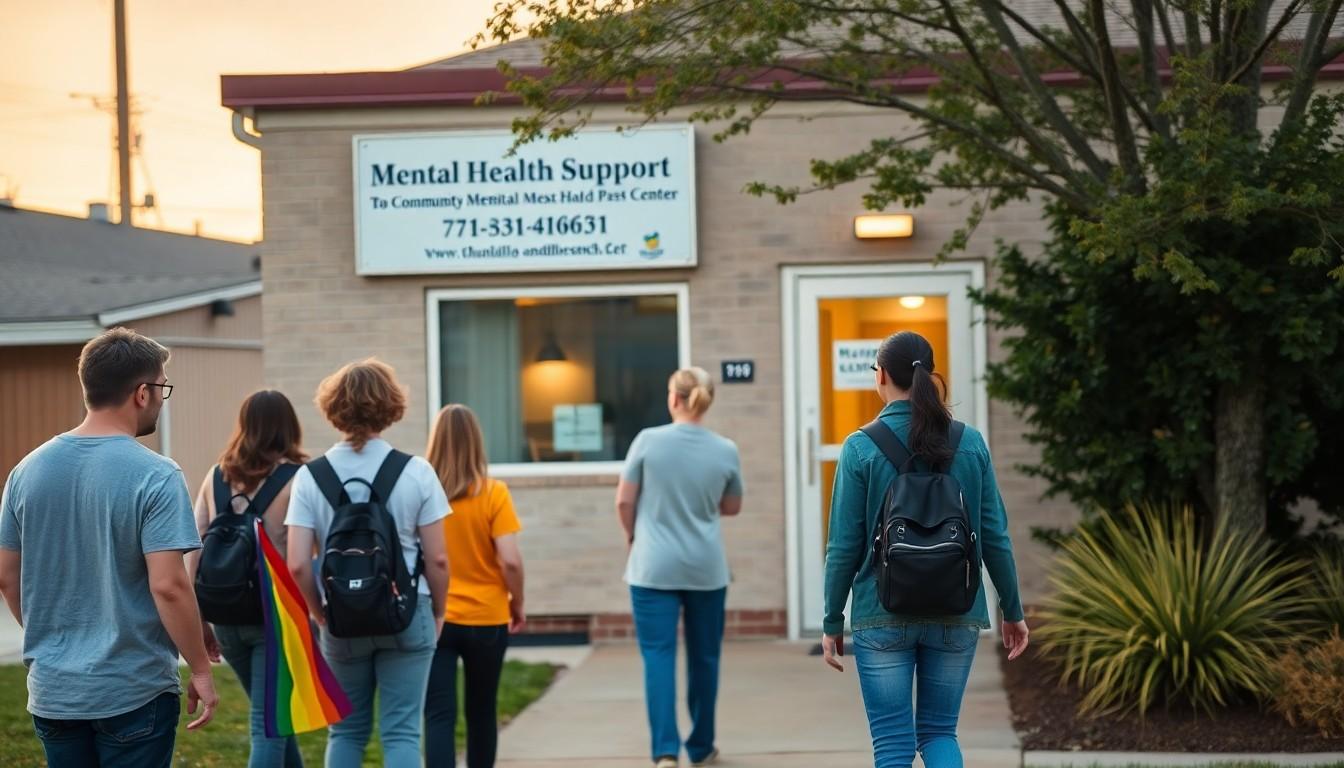
LGBTQ young people can once again choose specialised support through the 988 Suicide and Crisis Lifeline, following a 14-month suspension that drew criticism from campaigners and lawmakers. The restored Press 3 option matters because callers can reach trained help that understands the particular pressures many LGBTQ teenagers face.
Essential Takeaways
- Press 3 is back: LGBTQ young people can again access dedicated support through 988.
- The service was absent for 14 months: Its return follows sustained pressure and new federal legislation.
- Demand for 988 is rising: Calls, texts and chats are up 15% year on year, according to the announcement.
- Specialist support matters: LGBTQ youth face significantly higher risks of suicidal thoughts and attempts.
- Help remains available nationwide: Anyone in immediate emotional distress can call or text 988.
A missing option has finally returned
The most important change is also the simplest: callers to 988 can once again press 3 for LGBTQ-specific crisis support. The service resumed after more than a year without the dedicated option, a gap that left many young people without a clearly signposted route to specialist help.
The return follows months of pressure from Senator Tammy Baldwin, who helped create the 988 system and later pushed for legislation requiring the service to be restored. According to Wisconsin Politics, the renewed provision is intended to make crisis care more accessible to a group facing disproportionately high mental health risks.
For someone calling in a frightening moment, a familiar and affirming voice can make the difference between staying on the line and hanging up. That isn't a small detail.
Why LGBTQ-focused crisis care matters
The specialised service was designed around the experiences of LGBTQ young people, including concerns about identity, family rejection, bullying, discrimination and isolation. Those pressures can overlap with anxiety, depression and suicidal thinking, making a tailored response especially valuable.
Baldwin's office previously criticised the decision to close the service, while reporting by CNN highlighted the impact of ending the dedicated option. The central argument was straightforward: a general crisis line can help, but trained support that understands a caller's circumstances may feel safer and more relevant.
That reassurance is crucial for teenagers who may already worry about being judged or misunderstood. In a crisis, trust isn't a luxury. It's the doorway to honest conversation.
The political fight behind Press 3
The service's restoration came after a long-running dispute over federal funding and policy. Baldwin and Senator Lisa Murkowski introduced bipartisan legislation to place LGBTQ youth support on a permanent legal footing, according to Baldwin's Senate office.
The effort followed an earlier announcement that the specialised 988 provision would be shut down. Baldwin, alongside other senators, condemned that plan and argued that mental health support shouldn't become a political bargaining chip, as her office reported.
The episode also shows how quickly a public service can become fragile when dedicated funding is removed. Building a national helpline is one task. Keeping every part of it available to people who rely on it is another.
988 is busier than ever
The wider lifeline is handling a growing volume of contacts. The latest announcement says calls, texts and online chats are 15% higher than a year earlier and nearly 50% above levels recorded two years ago, with more than 27 million contacts since 988 launched.
That rise suggests the service is becoming part of everyday mental health infrastructure, rather than an emergency number people only hear about in school campaigns or news reports. It also raises an obvious question: can staffing and specialist options keep pace with demand?
The return of Press 3 is a positive step, but it doesn't remove the need for reliable investment, well-trained counsellors and clear public information. People need to know the service exists before they need it.
How to use the restored support
If an LGBTQ young person is in emotional crisis, calling or texting 988 is the quickest route to immediate support in the United States. Selecting Press 3 can connect the caller with the dedicated LGBTQ youth service, while the broader 988 service remains available to anyone experiencing suicidal thoughts, emotional distress or concern about someone else.
Friends, parents and carers can also contact 988 for advice when they're worried about a young person. If there's immediate danger or a medical emergency, call 911 or go to the nearest emergency department.
It helps to keep the number saved, share it discreetly with someone who may need it and avoid waiting until a situation feels unbearable. Sometimes the hardest part is simply knowing which number to press.
Press 3's return restores a vital choice for LGBTQ young people in crisis.
Source Reference Map
Story idea inspired by: [1]
Sources by paragraph:
- Paragraph 1: [2], [4]
- Paragraph 2: [3], [6]
- Paragraph 3: [7], [5]
- Paragraph 4: [2], [4]
- Paragraph 5: [3], [6]
- Paragraph 6: [7], [5]
- Paragraph 7: [2], [4]
- Paragraph 8: [3], [5]
- Paragraph 9: [2], [6]
- Paragraph 10: [5], [7]
- Paragraph 11: [2], [4]
- Paragraph 12: [3], [6]
- Paragraph 13: [2], [5]
- Paragraph 14: [4], [7]
- Paragraph 15: [2], [3]
- Paragraph 16: [5], [6]
- Paragraph 17: [2], [4]
- Paragraph 18: [3], [7]
- Paragraph 19: [2], [5]