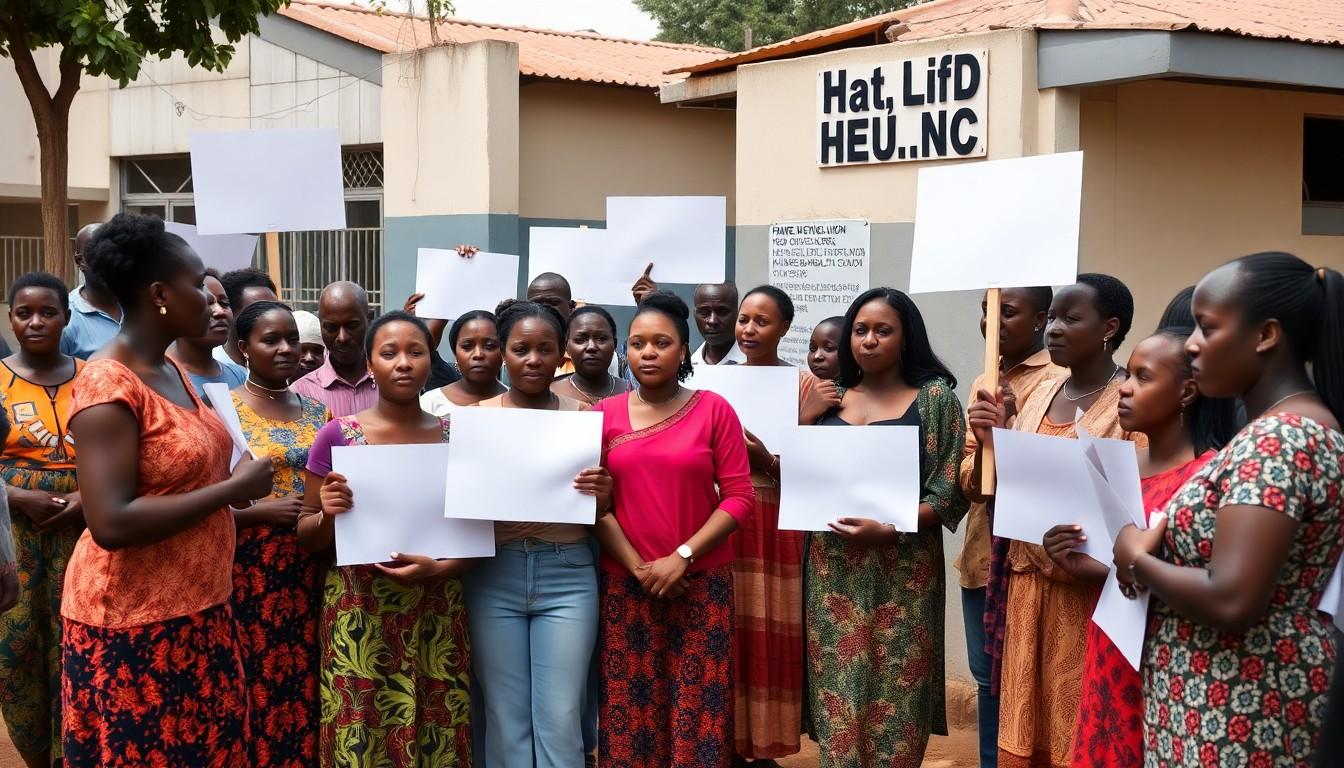
Viewers are discovering how women in Kenya challenged HIV stigma, silence and unequal access to treatment. Emily Atef’s film Call Me Queen brings that collective struggle into focus, showing why public storytelling, community organising and determined advocacy still matter in the country’s HIV response today.
Essential Takeaways
- Women drove the resistance: The film centres on women who challenged stigma and demanded change.
- Visibility created pressure: Public demonstrations and media attention helped turn private suffering into a political issue.
- Community care mattered: Peer counsellors, mentor mothers and local advocates have supported people living with HIV.
- Treatment access remains important: New prevention tools are promising, but they don't replace established HIV services.
- The message still resonates: Collective action remains a powerful answer to shame and silence.
A film about finding a public voice
The strongest feeling in Call Me Queen is not despair but defiance. Its women refuse to let HIV remain a private burden carried behind closed doors, and that choice gives the story its emotional charge.
Director Emily Atef presents activism as something built collectively rather than delivered by a lone hero. The result feels intimate and political at once: there are personal wounds, but also marches, public demands and the steady insistence that people living with HIV deserve treatment and dignity.
That focus reflects the wider work of Kenyan organisations supporting people affected by HIV. Lean on Me Kenya, for instance, promotes community-based support and advocacy, showing how local networks can make health information feel more practical and less frightening.
Why visibility changed the conversation
The film's central insight is simple: without public attention, there is little pressure on institutions to act. Once people speak openly, however, a health crisis becomes impossible to dismiss as someone else's problem.
That pattern can be seen across Kenya's HIV movement. Community workers and counsellors have helped people navigate testing, treatment and disclosure, while advocacy groups have challenged the stigma that can keep patients away from care. According to the Centre for Health Solutions Kenya, mentor-mother programmes have also helped turn lived experience into trusted guidance for other families.
There is something quietly powerful about that model. A conversation with someone who understands the fear, the gossip and the practical hurdles can sometimes achieve what a glossy campaign cannot.
Women are at the heart of the story
Call Me Queen gives women the political and emotional centre of the HIV struggle. They organise, speak out and push against social expectations that might otherwise encourage silence.
That emphasis matters because women have often carried several burdens at once, including caregiving, economic insecurity and the risk of judgement. Personal stories of HIV advocacy, such as those highlighted by VICE, show how difficult experiences can become the foundation for public leadership.
The film also makes room for solidarity beyond formal institutions. A supportive priest appears, but the wider movement is powered overwhelmingly by women. It is a pointed reminder that social change often begins with people who have the most to lose by staying quiet.
From grassroots activism to modern HIV tools
Kenya's HIV response now includes a broader mix of testing, treatment, prevention and community support than the film's historical setting suggests. Yet newer technology hasn't made activism obsolete. It has made accurate information even more important.
Africa Check has noted that lenacapavir's planned introduction in Kenya is not a replacement for antiretroviral treatment. That distinction matters, because headlines about a long-acting HIV jab can easily create confusion about who it is for and what it does.
For readers trying to make sense of changing HIV news, the practical rule is straightforward: rely on a qualified healthcare provider, check whether a claim refers to prevention or treatment, and be wary of dramatic promises. Medical progress is welcome, but it works best when people can access clear advice without shame.
The legacy lives through community advocates
The film's message reaches beyond its historical setting because the underlying challenge remains familiar: people need information, care and the confidence to demand both. Organisations such as the International AIDS Society continue to spotlight community leaders whose work connects policy with everyday life.
Those advocates rarely fit the traditional image of a campaigner. They may be counsellors, mothers, educators or people who once needed support themselves. Their authority comes from experience, and that can make an enormous difference when health systems feel distant or intimidating.
Call Me Queen ultimately argues that change is not granted from above. It is built when people stand together, name what is wrong and refuse to disappear from the conversation. That is an old lesson, but Kenya's HIV story shows why it still feels urgent.
It's a reminder that a shared voice can turn stigma into pressure, and pressure into change.
Source Reference Map
Story idea inspired by: [1]
Sources by paragraph:
- Paragraph 1: [2], [3]
- Paragraph 2: [1], [6]
- Paragraph 3: [2], [3]
- Paragraph 4: [1], [2]
- Paragraph 5: [3], [6]
- Paragraph 6: [1], [7]
- Paragraph 7: [6], [7]
- Paragraph 8: [1], [3]
- Paragraph 9: [5], [7]
- Paragraph 10: [5], [3]
- Paragraph 11: [2], [3]
- Paragraph 12: [7], [6]
- Paragraph 13: [3], [7]
- Paragraph 14: [1], [2]