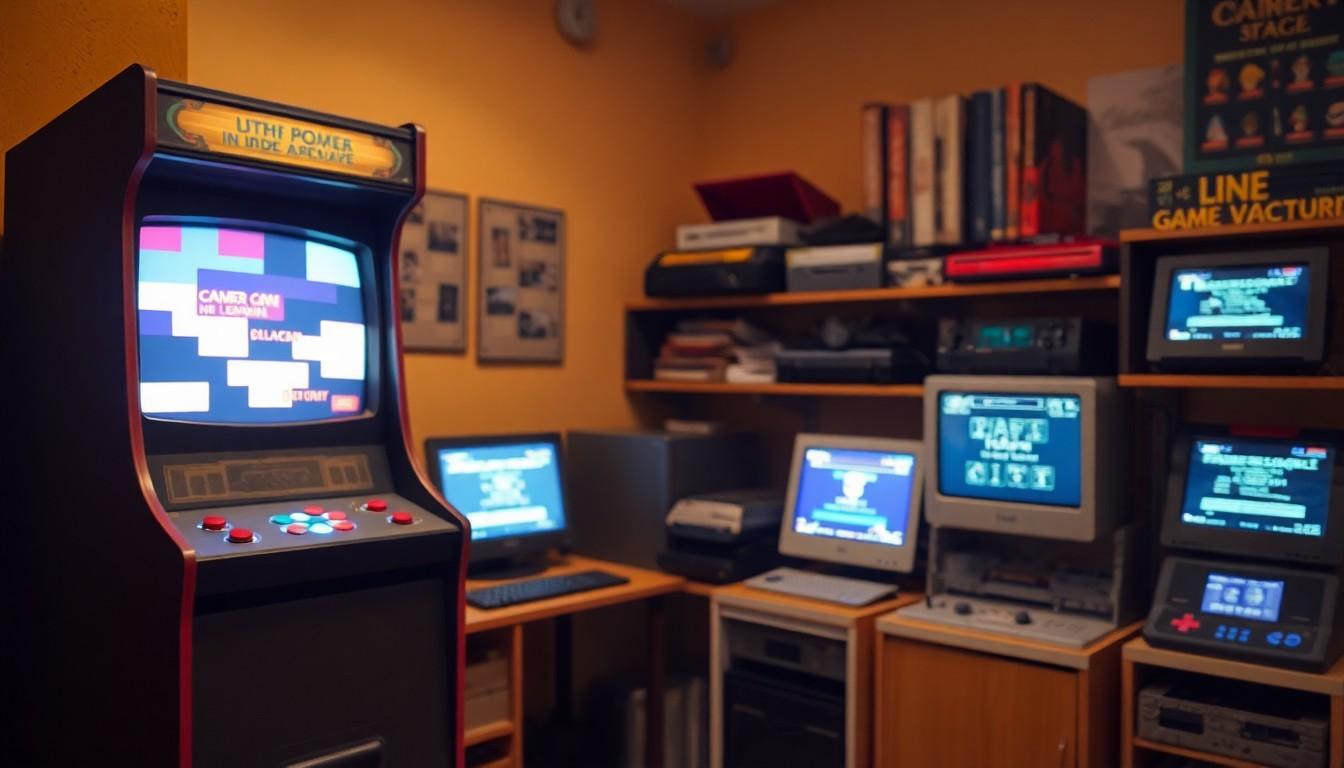
QueerCade is giving LGBTQ+ game history a playful new home, combining a retro-styled arcade, a searchable database and a star-filled character map. Built with Sanity, React and an 8-bit visual language, the project makes a sprawling collection of queer games easier to explore, compare and enjoy.
Essential Takeaways
- A substantial archive: QueerCade tracks 746 games, 930 companies, 79 platforms and 22 genres.
- Characters become stars: More than 870 LGBTQ+ characters appear in an interactive constellation spanning several decades.
- Human checks matter: Editorial approval keeps automatically imported information separate from carefully verified identity and narrative details.
- One backend, several experiences: The same Sanity dataset powers the arcade, constellation and emoji-based recommendation tool.
- Retro style with modern tools: TanStack Start, React and NES.css create the pixel-art look without sacrificing a responsive interface.
A queer games database with genuine personality
QueerCade doesn't feel like another grey catalogue of titles and release dates. Its pixel-art presentation gives the archive a warm, tactile quality, as if someone has turned a lovingly assembled spreadsheet into a tiny late-night arcade.
The project combines a game database with curated collections, including cosy queer games, visual novels and dating sims. Players can also maintain a personal library, making the site useful both for casual browsing and for anyone trying to understand how LGBTQ+ representation in games has developed over time. TanStack Start provides the application framework, while React supports the interactive experience. (According to the TanStack documentation, TanStack Start is designed for full-stack React applications.) [2]
That balance is important. QueerCade is informative, but it doesn't lecture. It invites you to click around, follow a character, jump between eras and see what else is hiding nearby.
The constellation makes history feel alive
The standout feature is the Queer Character Constellation, an interactive space map containing hundreds of LGBTQ+ game characters. Users can zoom, pan and switch between layers connecting characters through identity, release decade and recurring narrative themes.
A character from an early adventure game might sit within the same visual network as a recent indie protagonist, linked by a shared identity label or story element. The result is less like a conventional timeline and more like a night sky with unexpected routes between the stars.
Clicking a star reveals more detail, including character information, portraits, source links and a route back to the relevant game. That makes the visualisation more than a decorative extra. It's a discovery tool, and one with a pleasing sense of serendipity. The idea also echoes the way other media projects use stars and relationships to explore identity, including the literary framing of queer connection in Binary Stars. [5]
Why the editorial safeguards matter
Queer game history can be difficult to catalogue cleanly. Representation isn't always labelled consistently, some characters are interpreted differently by players, and mainstream databases often flatten complex stories into a handful of generic tags.
QueerCade responds by separating machine-imported metadata from human editorial work. Games can move through stages such as imported, under review, approved and featured, ensuring that automatically gathered information isn't immediately presented as settled fact.
Editors can add verified character names, source links, identity tags and narrative tropes, while private editorial notes remain protected from the automated synchronisation process. This is a sensible arrangement: computers are good at moving data around, but they shouldn't be left to decide the meaning of a character's identity or story.
The approach also gives the archive a clearer paper trail. Import records track what was created, updated, refreshed or skipped, while machine-owned details such as covers, ratings and release dates can be updated without overwriting human curation. For a subject that has often been overlooked or poorly documented, that distinction is crucial.
From retro storefront to emoji oracle
The same content foundation powers three noticeably different experiences. There's the pixel-art arcade itself, the constellation and an Emoji Game Oracle that recommends a title based on a selection of moods, settings and play styles.
Choose a handful of emojis and the AI agent returns one tailored suggestion, complete with a retro-flavoured explanation. It's a small, charming twist on recommendation engines, which can otherwise feel like they're handing you the same five popular titles on repeat.
The visual identity helps tie everything together. NES.css supplies the old-school interface language, with chunky borders, blocky controls and a deliberately nostalgic feel. The stylesheet is built around an 8-bit aesthetic, so the look isn't simply painted on afterwards; it's part of the project's design grammar. [3] [4]
That contrast works nicely. The subject matter is historically significant and sometimes complicated, but the interaction remains inviting. You can learn something, find a game for the evening or simply enjoy watching the stars rearrange themselves.
A content system doing more than filing records
Under the surface, Sanity acts as the central content engine rather than a supporting database. Game information, filters, searches and character relationships are retrieved through GROQ, while the nested document structure lets the constellation use identity labels, release years and tropes as connected data points.
A single projection can bring together character records, game details, release years and portraits, reducing the need for repeated client-side requests. Responsive image handling also keeps covers and character artwork practical across different screen sizes.
The project's figures show the scale involved: 746 games, 874 character stars, four human-curated collections and more than 1,700 tracked import operations. Those numbers make the playful interface more impressive. Behind the soft pixel edges sits a fairly disciplined editorial workflow.
It's a useful example of what a modern CMS can become when content isn't treated as static text. Here, the data describes a landscape, and the interface lets visitors explore it from several angles.
What QueerCade could mean for discovery
QueerCade's most valuable contribution may be its refusal to separate archive from experience. A database can preserve information, but an interactive map helps people notice connections they might otherwise miss.
That matters for older or less visible games, particularly when a character's importance isn't captured by a genre label or a shop description. The constellation gives those details room to sit beside one another, while the arcade and oracle make the archive approachable for newcomers.
There are limits, of course. Any living catalogue needs ongoing review, transparent sourcing and careful handling of disagreement. But QueerCade's editorial gates and source fields point in the right direction. It feels less like a finished monument and more like a growing public garden, with plenty of space for new discoveries.
For anyone interested in LGBTQ+ games, interactive archives or simply a good-looking way to browse, it's an unusually joyful place to start.
A good archive should preserve the past, but QueerCade also makes it fun to wander through.
Source Reference Map
Story idea inspired by: [1]
Sources by paragraph:
- Paragraph 1: [2], [3]
- Paragraph 2: [4], [7]
- Paragraph 3: [5], [6]
- Paragraph 4: [2], [4]
- Paragraph 5: [3], [7]
- Paragraph 6: [2], [3]
- Paragraph 7: [4], [5]
- Paragraph 8: [6], [7]
- Paragraph 9: [2], [4]
- Paragraph 10: [3], [5]
- Paragraph 11: [2], [7]
- Paragraph 12: [4], [6]
- Paragraph 13: [2], [3]
- Paragraph 14: [5], [7]
- Paragraph 15: [2], [4]
- Paragraph 16: [3], [6]
- Paragraph 17: [2], [5]
- Paragraph 18: [4], [7]
- Paragraph 19: [2], [3]
- Paragraph 20: [5], [6]
- Paragraph 21: [2], [4]
- Paragraph 22: [3], [7]
- Paragraph 23: [2], [5]
- Paragraph 24: [4], [6]
- Paragraph 25: [2], [3]
- Paragraph 26: [5], [7]