New York Magazine has launched its first dedicated men’s style issue, featuring actor Elliot Page among its cover subjects. The choice has sparked a lively debate about fashion, identity and what a modern men’s magazine should look like, while the issue itself looks back at decades of changing menswear trends.
Essential Takeaways
- A first for the title: New York Magazine has released its inaugural standalone men’s style issue.
- Multiple covers: Elliot Page appears on one of several covers accompanying the launch.
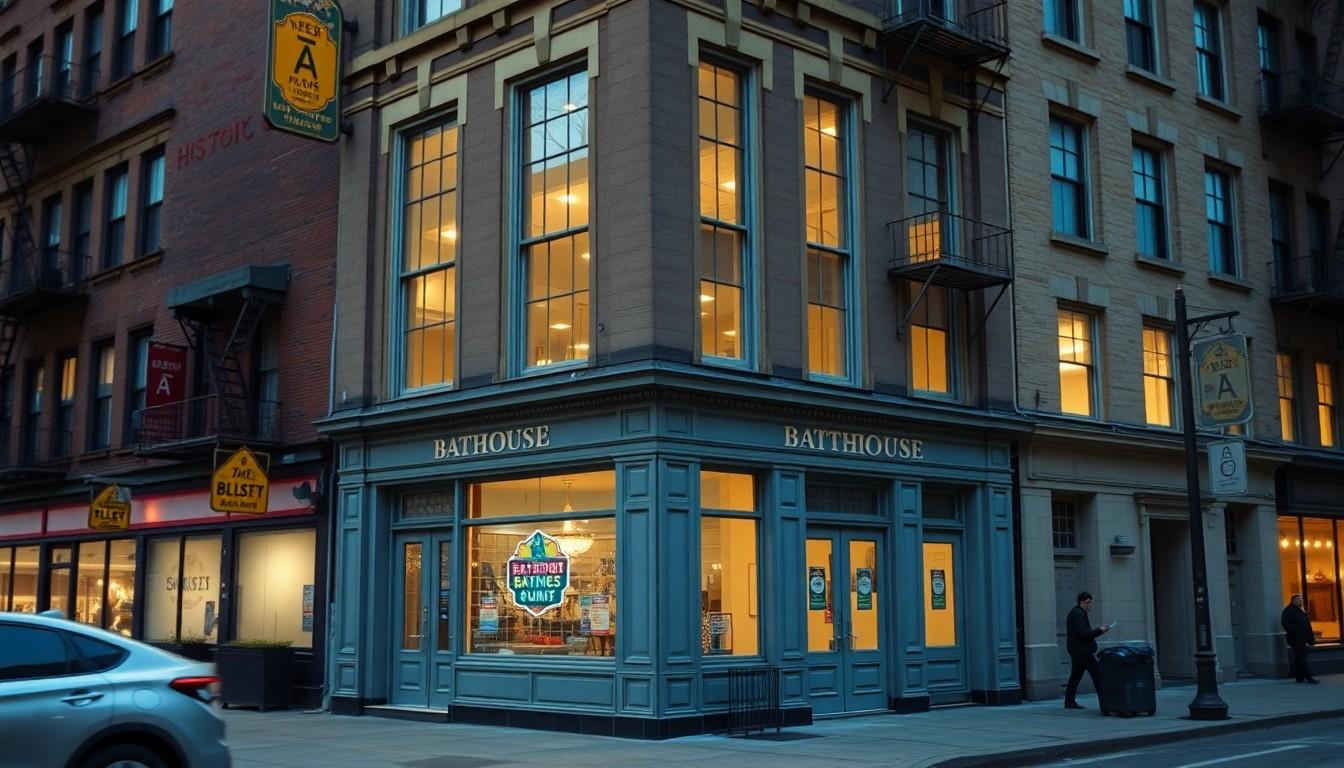
- Bathhouse setting: The feature places Page alongside stylish New Yorkers at an East Village Russian and Turkish bathhouse.
- A wider fashion lens: The issue explores designers, collectors, tastemakers and the changing meaning of menswear.
- Controversy followed: Commentators have criticised the editorial decision, while the magazine has presented it as part of a broader style conversation.
New York Magazine gives menswear its own spotlight
New York Magazine’s new men’s style issue arrives with a sense of occasion. The publication has covered menswear for decades, but this is the first time it has gathered that subject into a dedicated edition, according to coverage from Mediaite and AOL.
The magazine’s introduction traces a path from earlier conversations about men wearing high heels to today’s fascination with luxury streetwear, designer labels and hard-to-find vintage pieces. It’s a useful reminder that men’s fashion has never been as static as its stereotypes suggest.
There’s also a knowing wink to the moment. From teenage shoppers chasing hyped labels to collectors paying eye-watering sums for rare denim, menswear has become a fast-moving cultural business rather than a quiet corner of the fashion world.
Elliot Page appears on one of several covers
Page features on one of the issue’s multiple covers, in a portrait that focuses on the actor’s bare torso and understated jewellery. The accompanying story, titled “The Boys in the Baths”, takes readers inside a well-known East Village bathhouse, where Page joins other stylish men for an informal conversation about bodies, clothes and relaxation.
According to Breitbart and TheBlaze, the feature has become the most discussed part of the launch. That attention reflects both Page’s public profile and the magazine’s decision to place the actor within a men’s style package rather than a conventional entertainment profile.
The image is deliberately spare, but that doesn’t mean it’s fashion-free. In editorial photography, the absence of a full outfit can be a statement in itself, shifting attention towards posture, setting, grooming and the way a person occupies the frame.
The bathhouse feature keeps the mood relaxed
Page described recently becoming more comfortable with the idea of visiting a bathhouse and simply spending time in his body. The comments, reported by Fox News and Townhall, are more conversational than carefully polished, which suits the setting.
That relaxed tone is part of the feature’s appeal. Rather than presenting style as a parade of expensive clothes, the article appears to treat it as a broader social language, built from confidence, routine and the small details people notice when they’re not rushing through the city.
It’s a familiar shift in modern fashion coverage. The best style stories often aren’t just about what someone buys; they’re about how they move through the world. A quiet afternoon, a necklace or a favourite song in the shower can say almost as much as a designer jacket.
Why the cover has drawn criticism
The choice has also attracted criticism from commentators who argue that the issue should have offered a more traditional image of masculinity. Fox News quoted political commentator Link Lauren, who accused the magazine of chasing attention rather than focusing on men’s style.
NewsBusters executive editor Tim Graham also criticised the cover, saying the publication had blurred the boundaries of the category. Those reactions were echoed in reports from TheBlaze and Townhall, which framed the issue as part of a wider argument about representation in mainstream media.
The disagreement highlights how loaded fashion publishing has become. A magazine can present an image as a style choice, while readers and commentators interpret it through politics, culture and identity. In this case, the debate has arguably expanded the issue’s reach well beyond the clothes themselves.
What this says about modern men’s style
The launch suggests that men’s fashion coverage is now interested in contradiction. It can include heritage tailoring, collectible trainers, luxury denim, experimental silhouettes and personal identity in the same package.
That broader approach reflects the market around it. Menswear no longer fits neatly into formalwear, sportswear or casual basics, and readers increasingly expect fashion publications to explore the people and communities shaping those categories.
Whether readers see Page’s cover as a sharp editorial choice or a calculated provocation, it has succeeded in starting a conversation. And in an industry built on attention, that’s rarely an accidental outcome.
A men’s style issue doesn’t have to agree with everyone. It does, however, have to give readers something worth discussing, and this one plainly has.
Explore the issue as a snapshot of how quickly menswear’s boundaries are changing.
Source Reference Map
Story idea inspired by: [1]
Sources by paragraph:
- Paragraph 1: [2], [3]
- Paragraph 2: [4], [6]
- Paragraph 3: [2], [5]
- Paragraph 4: [3], [6]
- Paragraph 5: [1], [7]
- Paragraph 6: [5], [7]
- Paragraph 7: [1], [4]
- Paragraph 8: [2], [6]
- Paragraph 9: [3], [5]
- Paragraph 10: [1], [7]
- Paragraph 11: [4], [5]
- Paragraph 12: [2], [3]
- Paragraph 13: [1], [6]
- Paragraph 14: [4], [7]
- Paragraph 15: [2], [5]
- Paragraph 16: [3], [6]