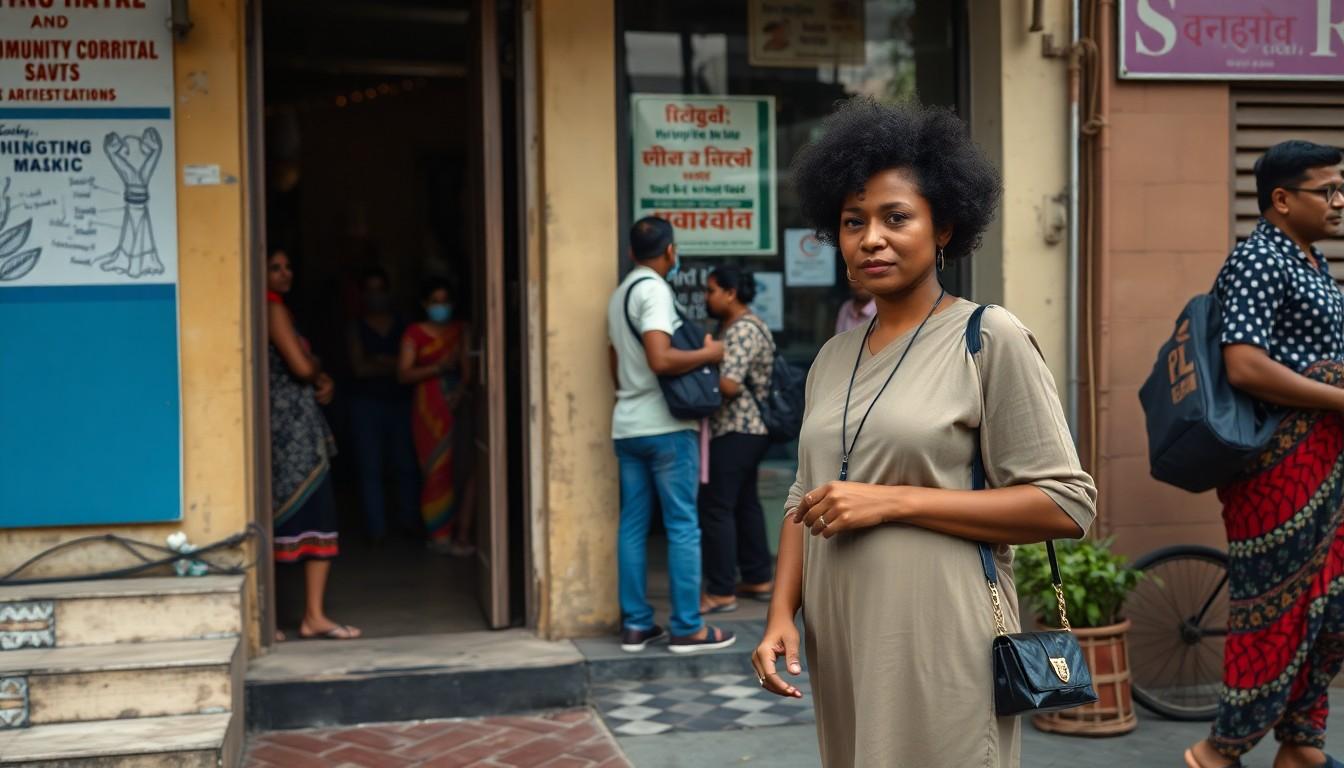
Audiences are turning to Dorothy and its standout song Muthumani as Tamil cinema opens a more thoughtful conversation about trans identity, romance and belonging. With Ilaiyaraaja shaping the music and Keerthy Suresh leading the film, the release matters not just as a movie moment, but as a rare invitation for queer viewers to see tenderness on screen.
Essential Takeaways
- A significant story: Dorothy centres on a trans woman finding identity, love and a possible future.
- Muthumani stands out: Ilaiyaraaja’s song gives the film a romantic, emotionally open centre.
- Representation feels personal: LGBTQIA+ viewers have praised the film’s attention to dysphoria, gender euphoria and family violence.
- Romance remains controversial: Online backlash to the film’s final kiss exposes the gap between tolerance and genuine acceptance.
- There’s room to grow: Activists want more stories about trans joy, ambition, family support and everyday life.
Why Dorothy feels like a turning point
The strongest response to Dorothy hasn’t come from box-office chatter. It’s come from viewers who’ve recognised parts of their own lives in its quieter details, from secret expressions of femininity to the relief of finally living openly.
Tamil cinema has often treated trans characters as comic relief, tragedy or spectacle. Dorothy takes a more patient route. Its central character is allowed fear, desire, vulnerability and hope, which sounds basic, but still feels strikingly unusual.
According to The Hindu, trans activists and artists welcomed the film’s attention to gender dysphoria and the emotional release that can follow transition. That response explains why the film has travelled beyond a conventional review cycle. For many viewers, this isn’t simply representation. It’s recognition.
Muthumani gives the film its emotional pulse
Music has always been one of Tamil cinema’s most powerful ways to shape feeling, and Muthumani carries an unusual amount of weight here. Ilaiyaraaja’s involvement gives the track instant cultural significance, but its real appeal lies in how it treats queer love as tender rather than sensational.
The song’s electronic textures and romantic mood have attracted attention across entertainment and music coverage. Cinema Express described it as a trance-inflected expression of love, while Bollywood Hungama highlighted Ilaiyaraaja’s move into a newer electronic sound. It’s a bold pairing, and it stops the film’s emotional world from feeling trapped in solemnity.
That matters because queer characters deserve songs of longing, flirtation and joy too. A love song shouldn’t have to double as a social-issues lecture. Sometimes the most powerful statement is simply allowing a trans woman to be desired, adored and emotionally central.
The kiss has exposed a familiar double standard
The film’s closing romantic moment has prompted a particularly ugly reaction online, with some viewers misidentifying the couple and using that confusion to attack the film. The response reveals an uncomfortable truth: some people claim to accept trans identity only while keeping trans people outside ordinary ideas of romance and partnership.
As The Hindu reported, community voices have questioned why trans women are often sexualised in real life but denied romantic agency on screen. That contradiction is hard to miss. Society may tolerate a narrow, familiar image of a trans woman, yet recoil when she is shown choosing love and imagining a future.
Dorothy pushes against that limitation. Its romance isn’t presented as a special exception or a pity arrangement. It’s part of the character’s humanity. That’s precisely why the final scene has resonated with supporters, even as it has unsettled hostile viewers.
What the film gets right about trans lives
The film’s attention to gender dysphoria appears to have struck a deep chord. Rather than treating transition as a plot twist, Dorothy explores the discomfort of living in a body and social role that don’t feel right, followed by the exhilaration of moving closer to oneself.
The Hindu’s conversations with activists also pointed to the film’s treatment of family violence and honour-based harm. These are difficult subjects, but they give the story an important grounding in realities that are often ignored or softened.
There are caveats. Some viewers have raised concerns about the use of slurs, arguing that clearer warnings could have helped audiences understand the difference between depicting abuse and repeating harmful language. That criticism is fair, particularly when familiar insults can follow viewers out of the cinema and into everyday life.
Representation is progress, but it’s not the finish line
Dorothy’s casting and promotion have also raised questions about opportunities for trans performers. Featuring a trans actor in a significant role is meaningful, especially when that performer is included in major festival and promotional spaces. But one prominent film cannot repair an industry that has offered too few roles for too long.
The next step is variety. Audiences need stories about trans women who are ambitious, funny, successful, supported by their families, married, parenting or simply having an uneventful Tuesday. The point isn’t to replace hardship with artificial cheerfulness. It’s to stop treating suffering as the only experience worth filming.
Coverage from Cinema Express and other entertainment outlets around Muthumani shows how the film’s musical identity is already broadening its appeal. The hope now is that its cultural impact does the same for storytelling. One film can open a door, but the industry has to keep walking through it.
It's a small but meaningful shift when queer characters are allowed not only to survive, but to be loved.
Source Reference Map
Story idea inspired by: [1]
Sources by paragraph:
- Paragraph 1: [2], [4]
- Paragraph 2: [3], [5]
- Paragraph 3: [1], [6]
- Paragraph 4: [1], [2]
- Paragraph 5: [1], [7]
- Paragraph 6: [1], [3]
- Paragraph 7: [1], [5]
- Paragraph 8: [1], [6]
- Paragraph 9: [1], [2]
- Paragraph 10: [1], [4]
- Paragraph 11: [1], [3]
- Paragraph 12: [2], [5]
- Paragraph 13: [1], [6]
- Paragraph 14: [1], [7]
- Paragraph 15: [1], [2]