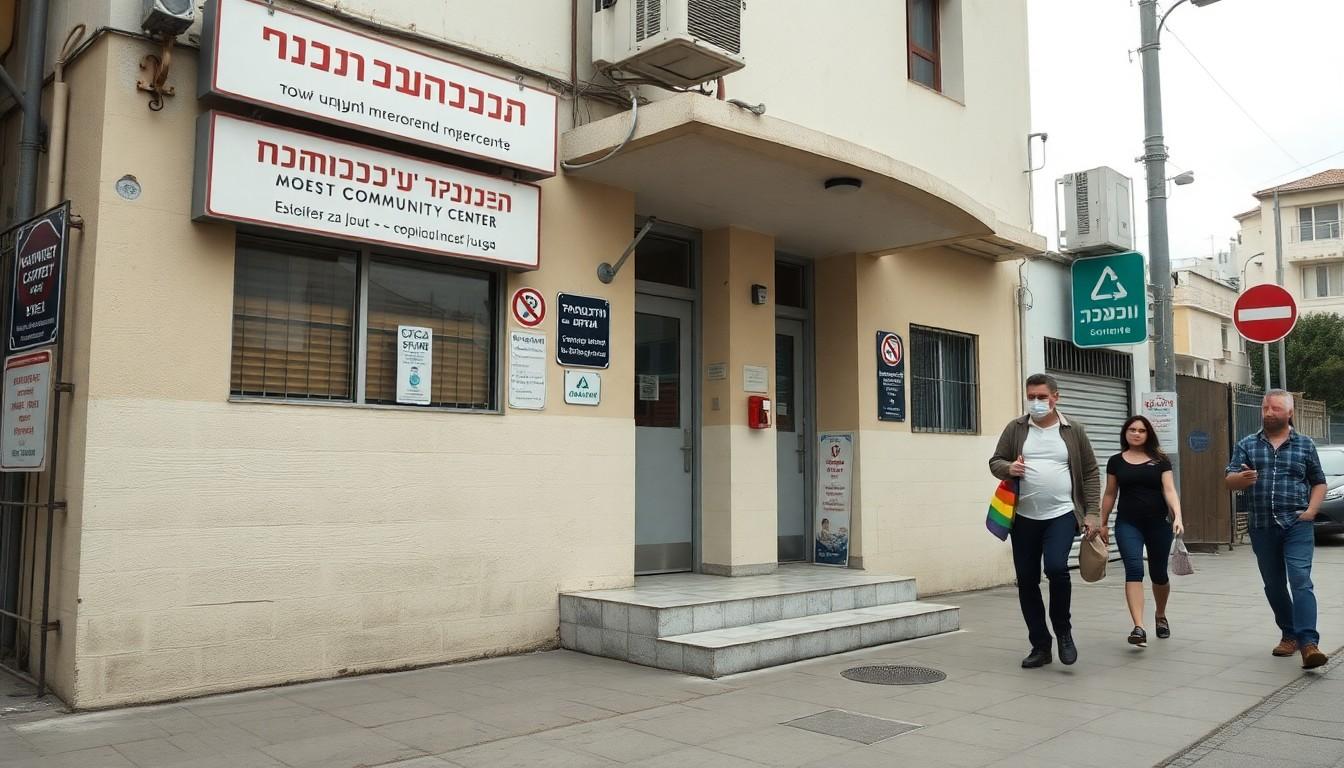
LGBTQ Israelis are heading towards the 2026 election after four difficult years marked by funding cuts, rising hostility and increasingly sharp political rhetoric. With many opposition parties offering few clear commitments, community organisations are watching closely to see whether the next government brings relief or more of the same.
Essential Takeaways
- Services are under pressure: Cuts to local LGBTQ programmes could leave vital support groups struggling to stay open.
- Rhetoric matters: Anti-LGBTQ language in politics can deepen fear and embolden harassment.
- Party positions remain vague: Several parties seeking to replace Benjamin Netanyahu have yet to set out detailed policies.
- Community groups fill crucial gaps: Local organisations provide advice, support and safe spaces that government services often don't cover.
- The election could reset the debate: Clear commitments on funding, equality and safety may become an important test for candidates.
Four difficult years have left a deep mark
For LGBTQ Israelis, the past parliamentary term has been defined less by dramatic legal change than by a steady tightening of the political climate. Community organisations describe a government that has often been distant, while anti-LGBTQ rhetoric has become more visible.
That combination matters in everyday life. A hostile speech may last a few minutes, but its effect can linger in schools, workplaces and public spaces. Meanwhile, a local support service facing closure can mean longer journeys, fewer counsellors and one less welcoming door for someone who needs help.
Haaretz reported that LGBTQ groups found themselves largely sidelined by the governing coalition and government ministries. The concern now is not only what happened during the last four years, but whether another term could extend the same pattern.
Funding cuts put local support at risk
The most immediate worry is financial. Reports of reductions to local LGBTQ programmes have raised fears that some services could close or operate with sharply reduced capacity.
These projects are rarely flashy. They may offer counselling, youth support, community events, crisis referrals or a quiet place to talk. Yet that modest, human-scale work is often exactly what makes a difference, particularly outside Israel's largest cities.
A report on Israeli funding cuts warned that local LGBTQ programmes were at risk of closure. For people who rely on them, the impact could feel brutally practical: fewer appointments, less outreach and more pressure on already stretched volunteers.
Why political language has real-world consequences
Political rhetoric can sound abstract from a distance, but communities experience it as atmosphere. When public figures attack LGBTQ people or frame equality as a threat, activists say it can normalise exclusion and make abuse feel more acceptable.
International organisations tracking LGBTQ rights in Israel continue to record a complicated picture, with legal protections existing alongside disputes over equality, discrimination and political influence. That mixed reality makes election promises especially important. A party can support certain rights in principle while remaining silent on budgets, enforcement or access to services.
The Times of Israel's coverage of LGBTQ rights reflects the continuing importance of these questions in national political life. For voters, the detail matters. A warm statement about inclusion is not the same as a funded plan.
Opposition parties face a straightforward test
Most parties hoping to replace Netanyahu have not made their positions fully clear, according to the election debate outlined by Haaretz. That silence may be politically convenient, but it leaves LGBTQ voters guessing about what a change of government would actually mean.
One alternative political grouping has promoted an LGBTQ-focused platform, suggesting that some candidates are beginning to treat the issue as part of a broader governing agenda rather than a niche concern. Still, a platform must eventually be measured against practical commitments, including funding, anti-discrimination enforcement and protection from violence.
The wider election landscape remains fluid, as reporting from the Jerusalem Post indicates. That uncertainty gives parties room to define their priorities, but it also gives voters a reason to ask sharper questions before polling day.
What voters should look for next
The clearest test will be whether parties publish specific commitments. Voters and community groups should look for promised funding levels, named responsibilities within government and measurable plans to tackle violence and discrimination.
They should also ask how policies would reach smaller towns and younger people. National declarations are useful, but support is felt locally, often in a community centre with a tired sofa, a busy phone line and a volunteer who knows where to turn.
The next election may not settle every argument over LGBTQ rights. It could, however, show whether politicians understand that equality is not only a cultural issue. It is also about public money, personal safety and whether people can find support when they need it most.
The real measure of change will be whether promises become protection people can feel.
Source Reference Map
Story idea inspired by: [1]
Sources by paragraph: