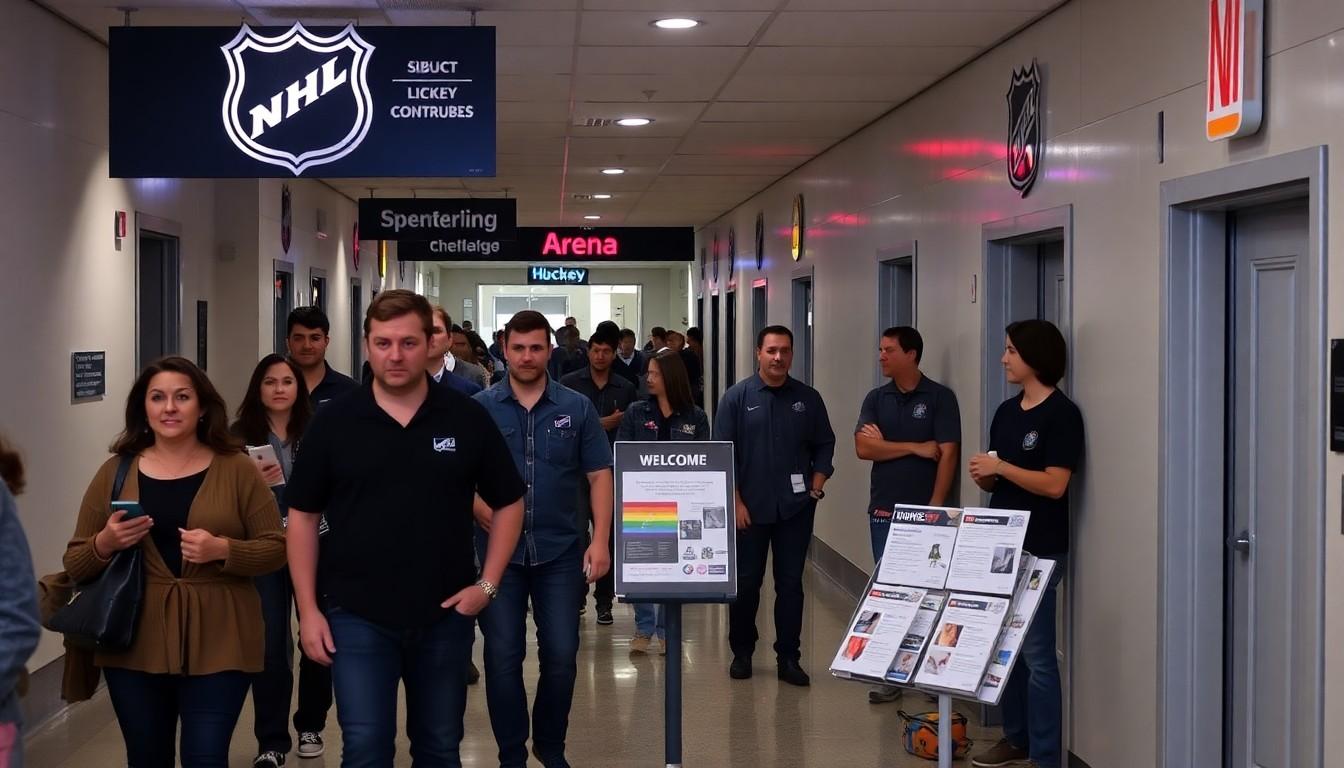
Hockey fans saw a notable push for LGBTQ inclusion when the NHL and You Can Play created team ambassadors across the league. The initiative gave players and supporters a recognisable point of contact in every locker room, while turning February’s Hockey Is for Everyone campaign into something more practical, visible and personal.
Essential Takeaways
- A league-wide network: Each NHL club had a designated You Can Play ambassador.
- More than a slogan: The scheme aimed to offer genuine support to LGBTQ players and teammates.
- February focus: You Can Play nights formed part of the NHL’s Hockey Is for Everyone activities.
- A complicated backdrop: The league promoted inclusion even as no NHL player had publicly come out at the time.
- A striking choice: Montreal’s Andrew Shaw was included after previously being suspended for using a homophobic slur.
Every NHL team got a familiar face
The strongest part of the plan was its simplicity. Rather than leaving inclusion as a league-office message, the NHL connected every club with a player who could help make the subject feel closer to home. According to the NHL, the ambassadors were selected to represent all 30 teams and support You Can Play’s work.
That matters in a sport where locker-room culture can feel especially intense. A player who is questioning their identity, or simply wants advice about supporting an LGBTQ teammate, may find it easier to approach someone they already know. The gesture is quiet, but its message is clear: there should be somewhere to turn.
You Can Play nights brought the message into arenas
The ambassador scheme sat alongside a programme of You Can Play nights held at games during February. The NHL described the wider Hockey Is for Everyone campaign as covering LGBTQ inclusion, ethnicity, gender equality, socio-economic circumstances and disability.
For fans, that made inclusion visible beyond a statement on a website. Arena announcements, themed events and community links can change the feel of a game night, even if only briefly. According to the NHL’s campaign material, the goal was to make hockey more welcoming while encouraging clubs and supporters to think about who gets to feel at home in the sport.
Andrew Shaw’s role carried extra weight
Montreal Canadiens forward Andrew Shaw stood out among the ambassadors because of his own history. He had been suspended by the Chicago Blackhawks after using a gay slur during a game, making his later involvement an uncomfortable but potentially meaningful example of accountability and change.
It didn’t erase what happened, of course. But a player publicly taking on a supportive role can show that education and responsibility need to continue after a punishment ends. The You Can Play mission centres on making sport safe and inclusive, and Shaw’s inclusion underlined how those conversations can involve learning, not just polished public relations.
Why representation still felt unfinished
The NHL had built a strong public profile around inclusion, but the picture remained incomplete. At the time, no current or former NHL player had publicly come out, despite other major North American professional leagues having seen players do so.
That contrast explains why the ambassador programme mattered, but also why it couldn’t be treated as the final answer. A list of supportive players may help reduce isolation, yet real progress also depends on everyday behaviour: stopping slurs, challenging casual jokes and ensuring that coming out doesn’t threaten a player’s career or relationships.
You Can Play’s mission is built around the idea that sport should be open to everyone, not merely those who already feel comfortable in it. Its work with hockey has continued to frame inclusion as a shared responsibility across athletes, clubs, families and fans.
What supporters can take from the campaign
The practical lesson is that visible support works best when it has a human face. Fans can back LGBTQ inclusion by challenging homophobic language, supporting You Can Play events and paying attention to whether a club’s actions match its slogans. Small moments in the stands and dressing room can shape the culture just as much as a major campaign.
There’s also a wider point for professional sport. An ambassador can’t solve every problem, but they can open a door. Sometimes that first trusted conversation is what makes a player feel less alone.
Inclusion is strongest when it becomes part of the everyday rhythm of hockey, not just a February feature.
Source Reference Map
Story idea inspired by: [1]
Sources by paragraph:
- Paragraph 1: [2], [4]
- Paragraph 2: [5], [6]
- Paragraph 3: [3], [4]
- Paragraph 4: [2], [7]
- Paragraph 5: [4], [5]
- Paragraph 6: [6], [2]
- Paragraph 7: [4], [5]
- Paragraph 8: [2], [3]
- Paragraph 9: [5], [6]
- Paragraph 10: [4], [6]
- Paragraph 11: [5], [6]
- Paragraph 12: [2], [4]
- Paragraph 13: [5], [6]
- Paragraph 14: [4], [5]
- Paragraph 15: [2], [6]