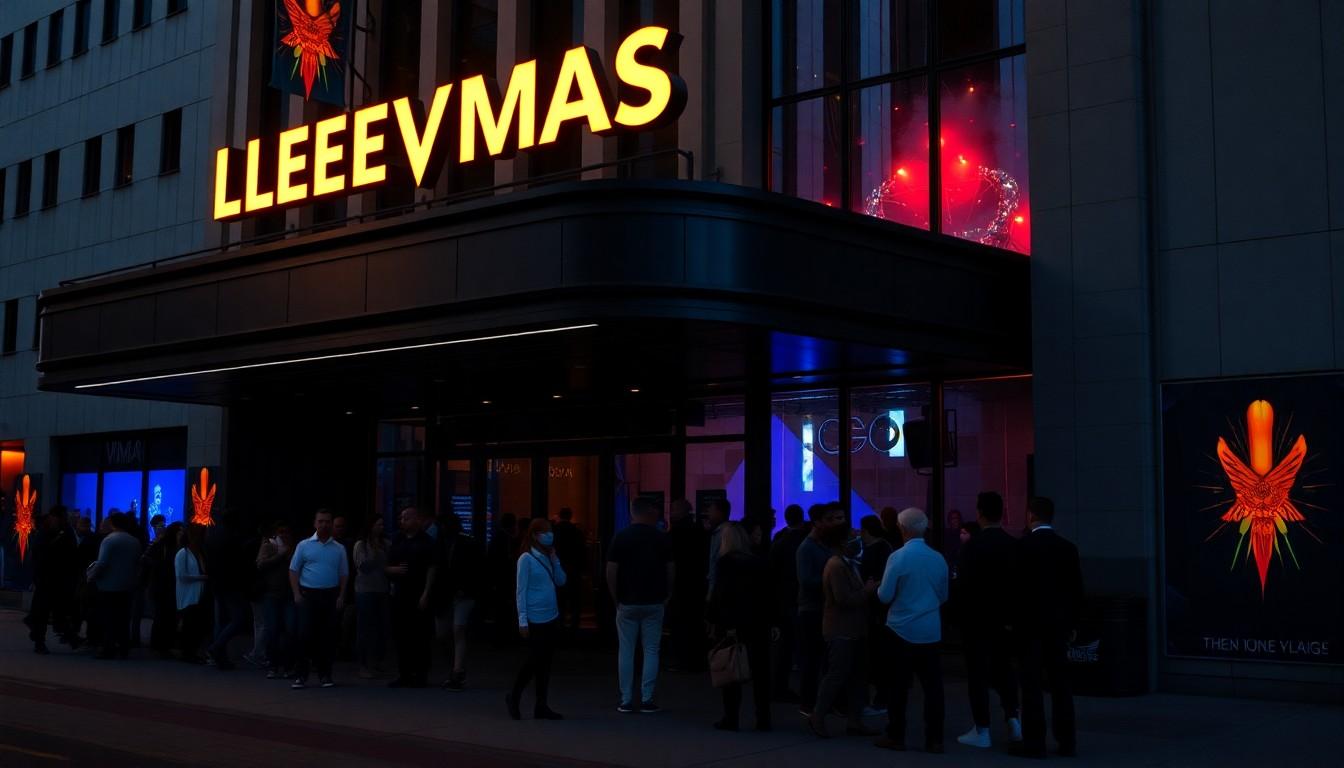
Viewers welcomed the 2026 MTV VMAs tribute to George Michael, but many questioned why its original line-up lacked queer performers. RAYE, sombr and Teddy Swims delivered the announced set, while Adam Lambert’s later appearance brought powerful energy and representation. The result was entertaining, yet it left fans asking why that balance wasn’t planned from the start.
Essential Takeaways
- Strong performances: RAYE, Teddy Swims and Adam Lambert brought very different strengths to the tribute.
- Representation concerns: The initial line-up featured no openly queer performers, despite Michael’s importance as a queer icon.
- A late change: Adam Lambert was added after public criticism of the announced bill.
- Style met substance: Sombr’s George Michael-inspired fashion added visual flair, but couldn’t answer the wider representation question.
- The central issue: Critics focused on MTV’s planning, not on the artists who performed.
A polished tribute with one glaring omission
The tribute was musically enjoyable, with RAYE bringing her usual precision and Teddy Swims supplying a rich, soulful vocal. Adam Lambert, who appeared later in the show, added the theatrical lift many viewers associate with a major pop celebration.
But the original line-up created an awkward disconnect. George Michael’s music belongs to everyone, yet his story is inseparable from his life as a gay man and from the way he became a defining queer figure in pop. According to PinkNews, that absence was quickly noticed when MTV first revealed the performers. [Citation: PinkNews]
That’s why the criticism landed on the event’s design rather than on the singers themselves. Nobody was arguing that straight artists couldn’t perform Michael’s songs. The question was why queer representation wasn’t built into the tribute from the outset.
Why Adam Lambert changed the mood
Lambert’s appearance gave the performance a noticeable jolt. He has the vocal range, flamboyance and stage confidence to make a classic pop song feel grand without treating it like a museum piece.
Coverage from Music Festival News described Lambert’s appearance as a salute to Michael, and his section offered the kind of openly queer theatricality that viewers had expected from the tribute. [Citation: Music Festival News] There was colour, swagger and a sense that the performer understood both the songs and the cultural weight behind them.
That late arrival also exposed the weakness in MTV’s original thinking. Once Lambert appeared, the tribute felt more complete. It was a little like finding the missing ingredient in a recipe after the meal has already been served.
The first announcement set off the debate
MTV initially announced RAYE, sombr and Teddy Swims for the performance, with country artist Orville Peck linked to the presentation. Paramount’s official announcement confirmed the core tribute plans ahead of the ceremony. [Citation: Paramount Press Express]
The line-up wasn’t without thought. Sombr’s styling reportedly nodded directly to Michael, including a distinctive jacket inspired by the singer’s visual legacy. Vogue highlighted that fashion connection, showing how the tribute engaged with Michael’s image as well as his songs. [Citation: Vogue]
Still, clothing references and familiar hits can only go so far. Michael wasn’t simply a stylish pop star with a catalogue of crowd-pleasers. His public life, private struggles and unapologetic relationship with his identity all shaped how later generations understood him.
What would a more balanced line-up look like?
The tribute didn’t need to be made up exclusively of queer artists. That could have risked narrowing Michael’s legacy to a single aspect of his life, when his songwriting, musicianship and global appeal were much broader.
A more convincing approach would have mixed established performers with several queer artists who could bring a personal connection to the material. Names such as Troye Sivan, Chappell Roan, Lil Nas X, Sam Smith, Janelle Monae or Lady Gaga would have offered different musical colours while making the tribute’s perspective clearer.
That matters because representation isn’t just a box-ticking exercise. It can change the emotional temperature of a performance. When Lambert appeared, the tribute seemed to acknowledge the world Michael helped make safer and more visible for other artists.
MTV has corrected course, but the timing matters
Reports from Real Music News and WNCV confirmed that Lambert joined the wider tribute, alongside the originally announced performers. [Citation: Real Music News; WNCV] His involvement was warmly received, but the sequence of events remained difficult to ignore.
Public pressure prompted the change, which makes the gesture feel reactive rather than carefully considered. MTV eventually delivered a stronger tribute, but audiences are increasingly alert to the difference between genuine inclusion and an emergency adjustment after criticism.
The performers deserved credit for making the most of the moment. RAYE, sombr, Teddy Swims and Lambert were asked to carry a complicated tribute, and they did so with energy. The more lasting lesson is for the organisers: when celebrating an artist whose identity shaped his legacy, that context should be part of the creative brief, not a last-minute repair.
A memorable performance is welcome, but a thoughtful one would have been better from the beginning.
Explore the tribute as both a musical celebration and a reminder of why representation matters.
Source Reference Map
Story idea inspired by: [1]
Sources by paragraph: