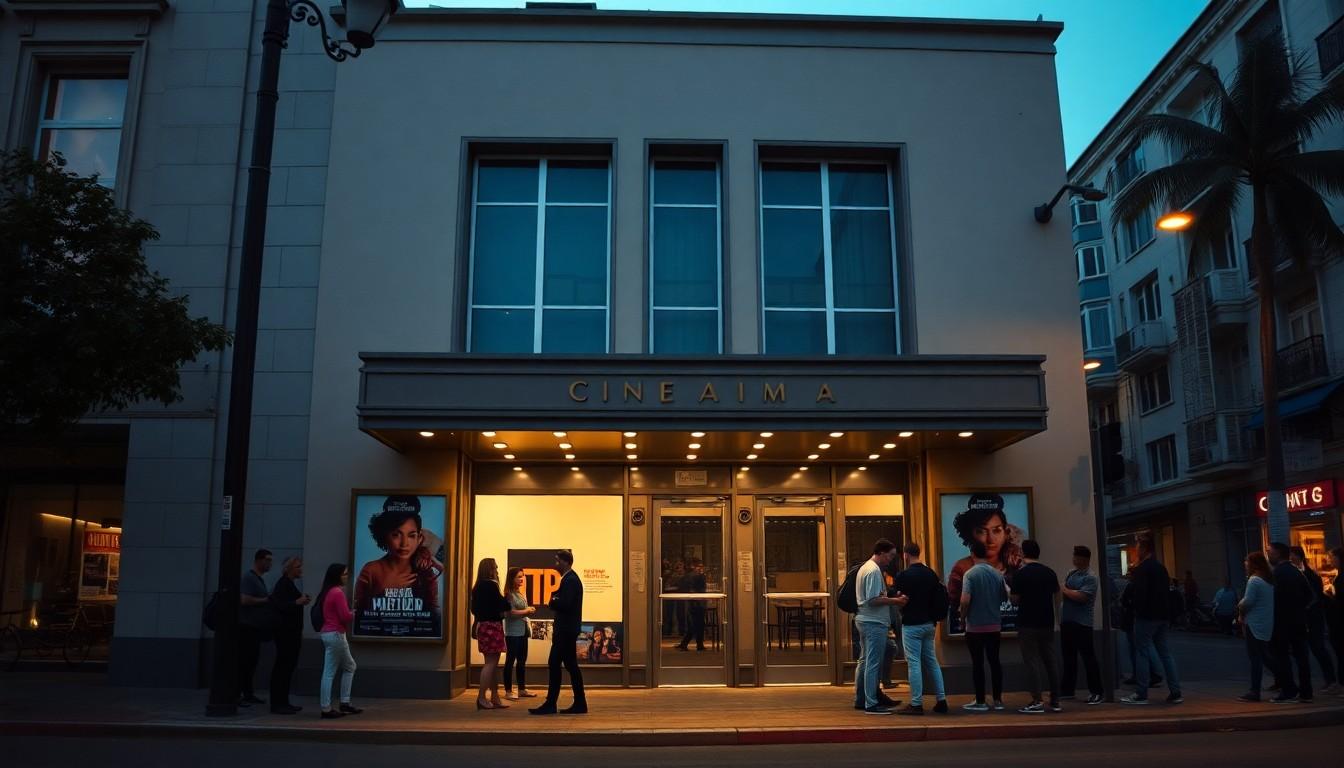
Audiences across Mexico can look forward to Cinema Queer Mexico 2026 from 24 September to 9 October, with screenings in Michoacan, Mexico City and online. Now approaching its ninth edition, the festival continues to create space for LGBTQ+ stories, community conversation and films that challenge familiar ideas about identity, desire and belonging.
Essential Takeaways
- Festival dates: Cinema Queer Mexico runs from 24 September to 9 October 2026.
- Three-part circuit: The programme travels through Michoacan, Mexico City and a free online finale.
- Online access: Digital screenings are planned for 8 and 9 October through Nuestro Cine MX.
- Special focus: Two short-film programmes and a workshop will explore post-porn narratives, consent and sexual agency.
- Programme details: Film titles, venues and workshop registration will be announced through the festival's website and social channels.
A festival that keeps widening the frame
Cinema Queer Mexico has grown from a grassroots cultural initiative into an important meeting point for audiences seeking LGBTQ+ stories beyond mainstream cinema. As the festival enters its ninth edition, its purpose remains refreshingly direct: to place queer experiences, affections and identities at the centre of the screen. The festival's organisers describe it as a safe space for recognition and connection, a quality that can matter just as much as the films themselves. (According to Mexico's National Institute of Cinematography, the festival continues to support broader access to diverse film cultures.) [2], [4]
That sense of welcome is reflected in the 2026 format. Rather than concentrating everything in one city, the event will move between local venues and a national digital platform, making the programme easier to reach for people who don't live near a major cultural hub. It's a practical choice, but also a meaningful one: queer cinema can travel further when the festival does too. [3], [5]
From Michoacan to Mexico City, then online
The circuit begins in Michoacan from 24 to 27 September, working with cultural spaces and local collectives in several cities across the state. The festival then moves to Mexico City between 1 and 7 October, with activities spread across different boroughs rather than confined to a single central venue. [3], [5]
The final two days, 8 and 9 October, will take place online through Nuestro Cine MX. Access is planned to be open and free throughout Mexico, which should make the closing programme especially appealing to viewers who can't attend an in-person screening. A quiet night at home may not replace the energy of a packed cinema, but it can still open the door to films that might otherwise remain out of reach. [2], [6]
A visual identity shaped by change
The 2026 campaign image was created by designer Emilia Lopez through a process that combines analogue and digital experimentation. Organic forms, including flowers and hands, were scanned and altered until their original outlines became difficult to recognise.
The effect is soft, blurred and deliberately unsettled. Instead of offering a neat symbol or fixed category, the artwork suggests movement and transformation, echoing the festival's interest in identities that resist rigid classification. It feels less like a poster explaining the event and more like an invitation to look again. [4], [6]
That visual approach also connects with the wider role of the festival. Cinema Queer Mexico isn't simply presenting films with queer characters; it's questioning who gets to define bodies, relationships and ways of living in the first place. In that sense, the design becomes part of the conversation before the lights even go down. [2], [4]
Post-porn cinema puts pleasure and consent centre stage
One of the most distinctive elements of the 2026 programme will be a special strand devoted to post-porn narratives. It will include two short-film programmes and a workshop exploring eroticism and desire through non-hegemonic bodies and filmmaking practices.
The strand is being developed with Bhav, also known as Marcia Ravanal-Villarroel, a programmer linked to Excéntrico, a Chilean film showcase held in Valparaiso and Santiago. Its curatorial principles include a pro-sex perspective, erotic justice, first-person critical pleasure and a teaching role for cinema. [4], [5]
That may sound like challenging territory, and it is. But the emphasis on consent, autonomy and sexual agency gives the strand a clear framework rather than treating provocation as an end in itself. For audiences, the workshop could be particularly valuable, offering a way to discuss how films represent pleasure and how those images can question social norms. [3], [6]
What audiences should watch for next
The full film selection has not yet been announced, and the confirmed physical venues and workshop registration details are also due in the coming weeks. Viewers should keep an eye on the festival's official website and social media accounts, where the practical information will be released. [6], [7]
If you're planning to attend, checking the schedule early will be worthwhile, particularly for events in smaller local venues or limited-capacity workshops. Online access should offer more flexibility, but even free digital programmes can fill quickly in spirit, especially when a festival has built a loyal community over nearly a decade. [2], [7]
Cinema Queer Mexico 2026 arrives at a moment when visibility is still being debated, defended and reimagined. Its strongest promise may be simple: not just to show different stories, but to help audiences feel less alone while watching them. [4], [5]
A festival that travels this far makes room for more people to see themselves.
Source Reference Map
Story idea inspired by: [1]
Sources by paragraph: