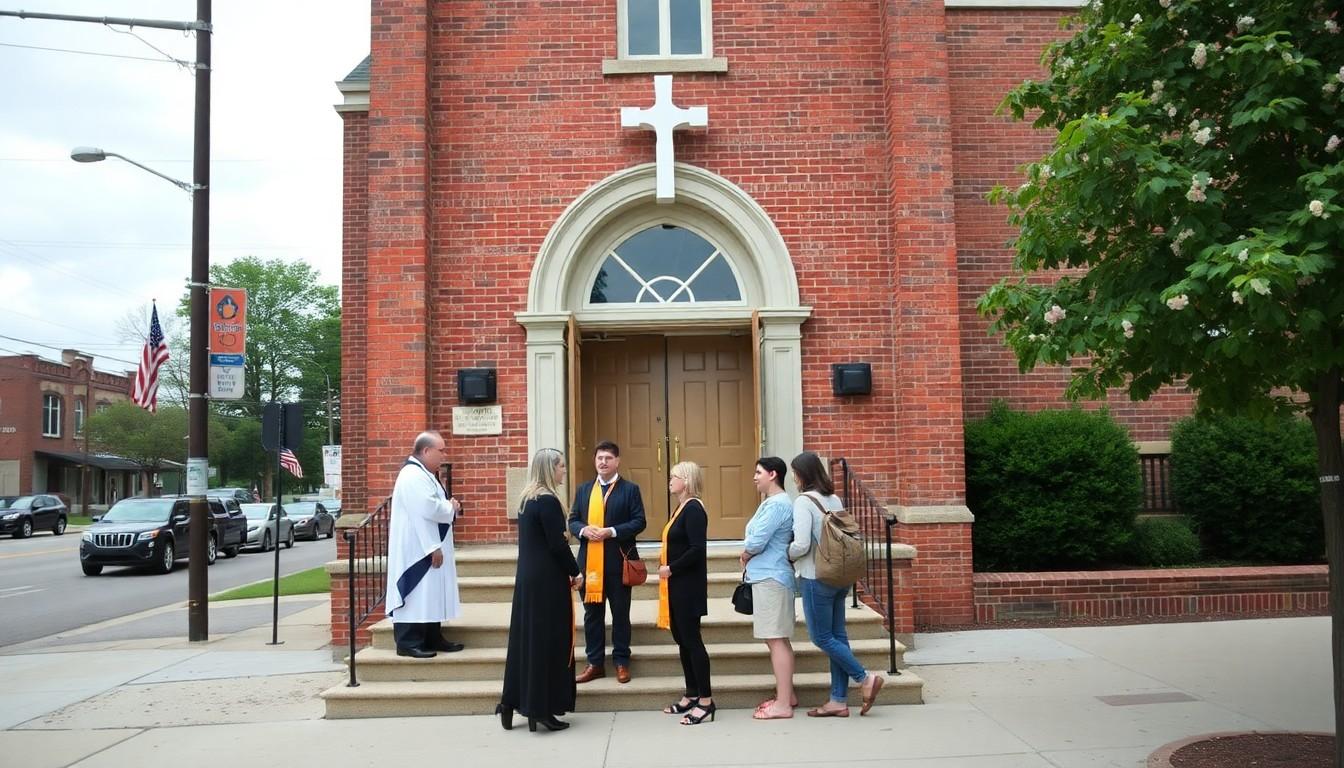
A renewed Catholic ministry in Syracuse is prompting a sharp debate over same-sex attraction, chastity and pastoral care. The dispute brings two competing visions of welcome into focus, as one parish supports an LGBTQ+ safe space while the Diocese of Syracuse re-establishes a Courage chapter for Catholics seeking help living according to Church teaching.
Essential Takeaways
- A dormant chapter returns: The Diocese of Syracuse is restoring a Courage ministry after local Catholics requested support.
- Chastity is central: Courage encourages prayer, fellowship and abstinence from sexual activity outside marriage.
- Critics object: An LGBTQ+ task force at All Saints Church says the approach can damage identity and self-worth.
- The wider question: The disagreement reflects a broader Catholic argument over doctrine, language and pastoral welcome.
A familiar Catholic argument lands locally
The dispute is not really about whether people deserve care. Both sides say they want Catholics experiencing conflict or marginalisation to find support, but they disagree profoundly about what that support should ask of them.
The Diocese of Syracuse is re-establishing a local Courage chapter, a ministry designed for people with same-sex attraction who want to follow Catholic teaching on chastity. According to Central Current, the earlier chapter had been inactive for at least a decade, and the revival followed requests from Catholics looking for a structured spiritual community.
That makes the story particularly personal. For someone seeking guidance, the difference between a confidential support group and a public theological dispute can feel enormous. The practical need is simple enough: somewhere to speak honestly without being isolated.
Why Courage is drawing criticism
At All Saints Catholic Church, an LGBTQ+ task force has urged Bishop Douglas Lucia to reject the ministry. Members argue that Courage's emphasis on controlling sexual behaviour can resemble conversion therapy and may suggest that gay Catholics are fundamentally defective.
Central Current reported comments from parishioners who believe same-sex attraction cannot be prayed away or meaningfully denied. Their concern is that religious language about disorder, even when used within a formal doctrinal framework, can land as a judgement on a person's entire identity.
That objection matters because language isn't an abstract detail in pastoral care. Terms used in catechisms and theological documents may carry one meaning for Church authorities and a very different emotional weight for someone hearing them applied to their own life.
What the ministry actually offers
Courage says it isn't promising to erase same-sex attraction. Its stated purpose is to help participants pursue a life of chastity, deepen their Catholic practice and build friendships that don't centre on sexual relationships.
Its programme combines prayer, Mass, confession, spiritual direction and peer fellowship. It also stresses service and the possibility of close, non-sexual friendships. In other words, the model is less a quick-fix programme than a demanding spiritual routine, with community intended to make that routine less lonely.
Reports from Catholic outlets show that Courage has also become an important voice in wider arguments about how Church documents discuss sexuality. Its leaders have criticised recent Vatican discussions, saying some presentations of the subject are confused or unfair. That broader friction helps explain why a local chapter can attract such intense attention.
Doctrine and pastoral welcome collide
The Catholic Church distinguishes between a person's dignity and its moral assessment of sexual acts. Its official teaching says homosexual acts are morally wrong while also insisting that people experiencing same-sex attraction must be treated with respect and without unjust discrimination.
Critics question whether that distinction works in everyday parish life. They argue that asking gay Catholics to live celibately, while welcoming heterosexual couples into marriage, creates a burden that can't be separated from identity. Supporters of Courage respond that Catholic moral teaching asks everyone, not just gay Catholics, to avoid sex outside marriage, although the lived consequences clearly differ.
That is why this argument resists easy slogans. One side sees fidelity to doctrine as a form of care; the other sees the same requirement as a denial of authentic selfhood. For parishioners caught between those positions, the debate can feel less like a policy disagreement and more like a question about whether there is room for them at church.
What happens next in Syracuse?
The immediate issue is whether the Diocese of Syracuse will allow Courage to operate and how it will communicate that decision to the wider Catholic community. Bishop Lucia is facing pressure from parishioners who want an affirming LGBTQ+ ministry, while others are seeking a group that openly follows traditional Catholic teaching.
A sensible next step would be clarity. People considering the ministry should be told exactly what meetings involve, whether participation is confidential, what pastoral support is available and how leaders respond to mental-health concerns. Those details matter far more than polished labels.
Church communities may not resolve the theological divide soon, but they can still be honest about the choices on offer. The challenge is ensuring that disagreement doesn't leave vulnerable people feeling invisible, shamed or entirely alone.
It's a small diocese-level decision with a much larger question behind it: what does welcome mean when doctrine and identity pull in different directions?
Source Reference Map
Story idea inspired by: [1]
Sources by paragraph:
- Paragraph 1: [2], [6]
- Paragraph 2: [2], [6]
- Paragraph 3: [2], [4]
- Paragraph 4: [2], [7]
- Paragraph 5: [2], [4]
- Paragraph 6: [4], [5]
- Paragraph 7: [3], [6]
- Paragraph 8: [2], [6]
- Paragraph 9: [4], [5]
- Paragraph 10: [2], [6]
- Paragraph 11: [2], [4]
- Paragraph 12: [3], [5]
- Paragraph 13: [2], [6]
- Paragraph 14: [2], [3]
- Paragraph 15: [4], [7]