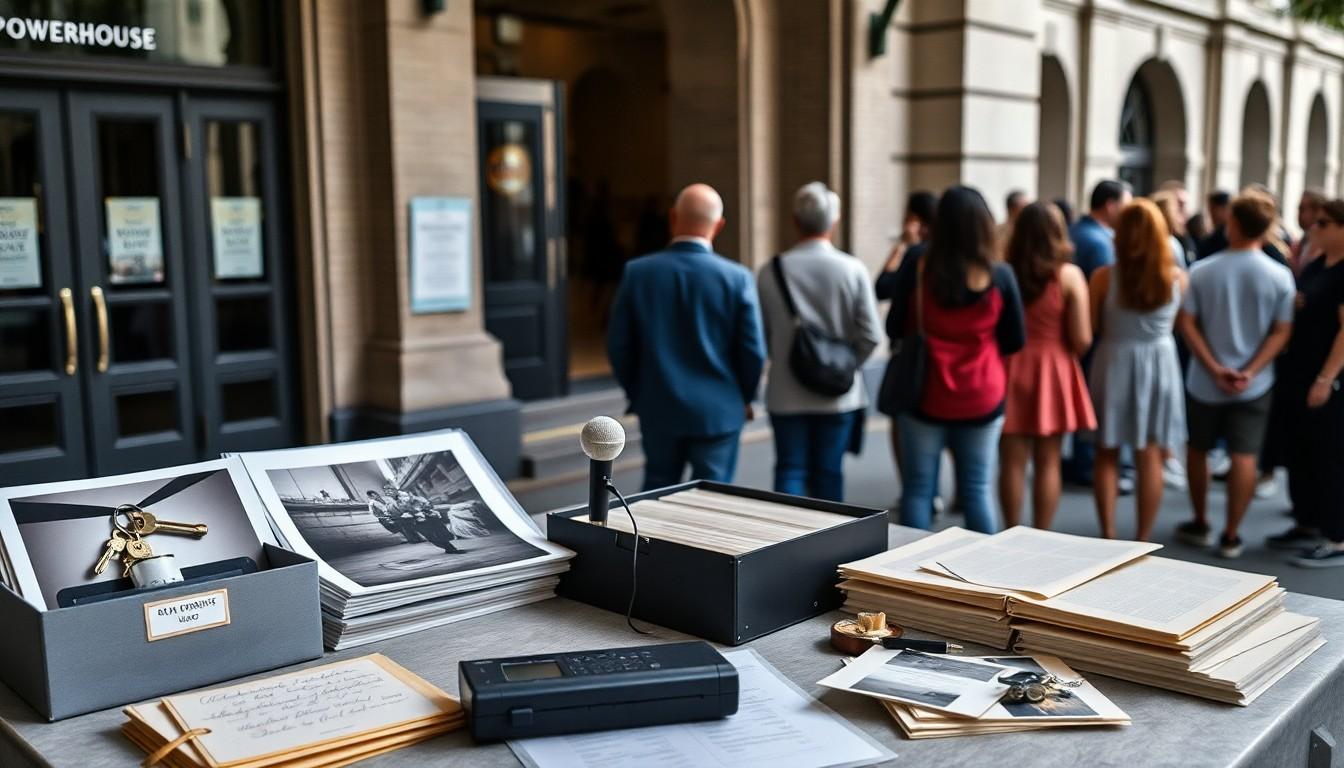
Brisbane Pride is asking residents to search photo albums, cupboards and digital folders for the objects and memories that shaped LGBTQIA+ life in the city. The new Brisbane Pride History Project aims to preserve those stories through oral histories, community collecting and digital storytelling, giving Brisbane’s queer past a visible, community-led home.
Essential Takeaways
- Community-led archive: Brisbane Pride wants local people involved in deciding what gets preserved and how it’s remembered.
- More than memorabilia: Photographs, posters, clothing, letters and digital files can reveal activism, friendships, celebrations and everyday life.
- Public access: A dedicated Brisbane Pride History website will provide a home for the project’s stories and material.
- Preserving voices: Oral histories will help capture experiences that may never have entered formal museum or library collections.
- A continuing project: The initiative is designed to grow through ongoing participation from Brisbane’s LGBTQIA+ communities.
Brisbane’s queer history may be hiding at home
A faded photograph, an old event poster or a well-worn Pride shirt can look ordinary at first glance. Yet, together, these pieces can show how Brisbane’s LGBTQIA+ communities built connections, celebrated openly and pushed for change.
That’s the thinking behind the Brisbane Pride History Project, which is inviting people to look through personal collections for material linked to the city’s queer life. The project reflects a wider challenge: important community histories often survive in homes and memories rather than in official archives.
According to Brisbane Pride’s history project, the aim is to bring those fragments together without stripping them of their personal meaning. It’s a thoughtful approach, because the most revealing objects aren’t always the grandest ones. Sometimes a handwritten note or a snapshot from a local gathering says more than a polished institutional record.
Why personal stories matter as much as objects
The project will collect more than physical artefacts. Oral histories and digital storytelling will help record the people behind the material, including organisers, friends, artists, activists and community members whose experiences might otherwise fade from view.
Brisbane Pride has said the project will explore the activism, creativity, relationships, struggles and community spaces that have shaped LGBTQIA+ life in the city. That broader focus matters. History isn’t only made at major marches or political milestones; it also lives in familiar rooms, late-night conversations and the venues where people found belonging.
The Pink Times also reported on the project’s focus on preserving LGBTQIA+ history. For anyone sorting through old boxes, the message is simple: don’t assume something is too small, too personal or too everyday to matter.
A community archive, not just a museum collection
One of the project’s central questions is who gets to decide what becomes history. Brisbane Pride says LGBTQIA+ communities should have a leading role in determining what is collected, interpreted and shared.
That principle sets the initiative apart from a traditional top-down archive. The project intends to build stronger links between community members and museums, libraries and other collecting institutions, while helping identify material that may eventually belong in public collections.
The Brisbane Pride History website provides a public platform for this work. It also creates a useful meeting point between personal memory and formal research, allowing stories to remain connected to the people and communities that created them.
What should you look for at home?
Potential material includes photographs, letters, posters, clothing, event programmes, Pride memorabilia and digital files. Old social media images, scanned flyers and recordings may be just as valuable as objects stored in a drawer.
Before handing anything over, make a note of what you know about it. Who appears in the photograph? When and where was it taken? Which event does a poster advertise? Even a short explanation can add vital context, especially when the original owner or creator isn’t available to provide it later.
If an item feels sensitive, ask about privacy, consent and how it might be displayed before sharing it. Preserving a story should also mean treating the people in it with care. Brisbane Pride’s wider work continues to emphasise community connection, which is particularly important when histories include discrimination, loss or personal risk.
Brisbane’s LGBTQIA+ history is still being written
The project’s launch was linked to Preserving Pride, a free panel discussion held as part of Brisbane Pride Fair Day at Brisbane Powerhouse. The event brought together community members, researchers and collecting professionals to consider what should be preserved and how those decisions should be made.
That conversation is only a starting point. Brisbane Pride describes the history project as an evolving process, rather than a finished exhibition with a neat final chapter. This leaves room for new stories, overlooked voices and material that may surface years from now.
The organisation’s current work sits within a broader programme of Pride events and community activity in Brisbane, while projects such as River Pride show how public celebration continues to create new history. The comforting thought is that today’s ordinary moments may become tomorrow’s treasured archive.
It’s a small act of sorting, remembering and sharing, but it can help keep a whole community’s story visible.
Source Reference Map
Story idea inspired by: [1]
Sources by paragraph: