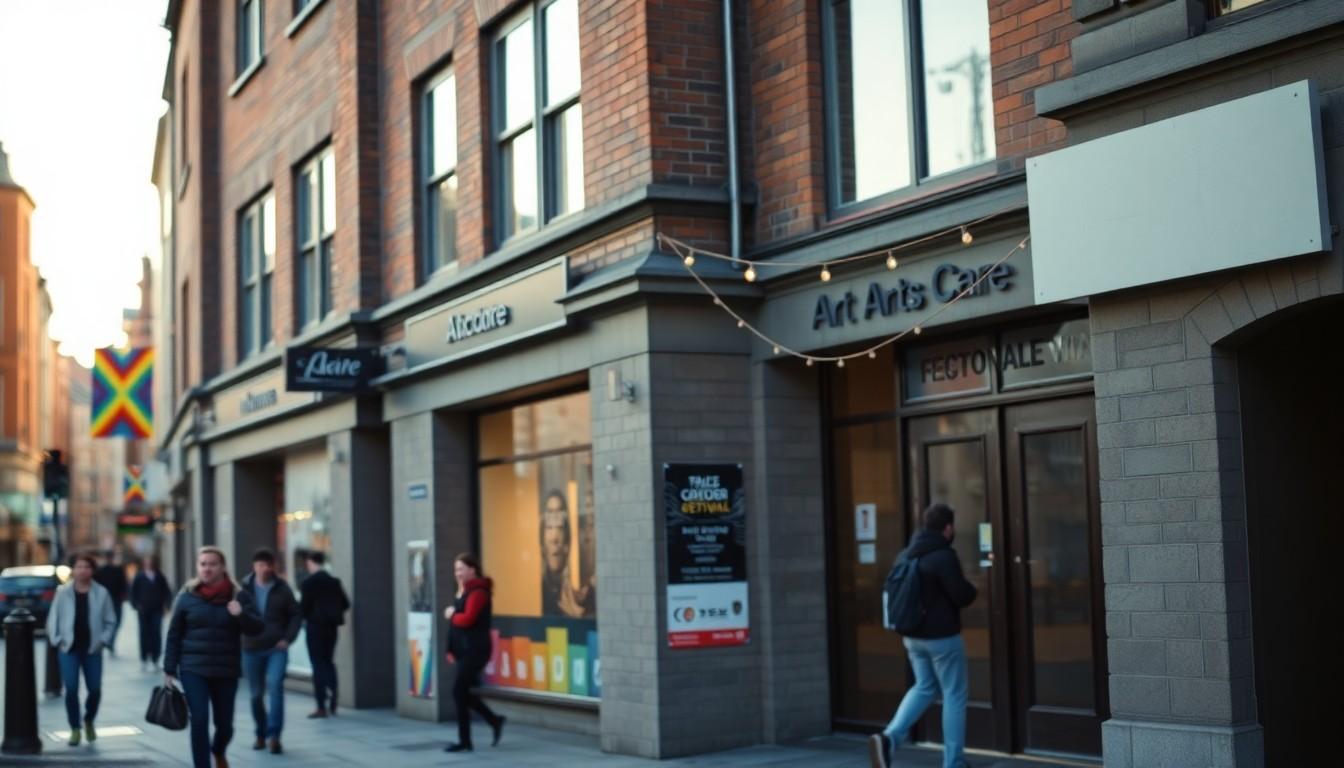
Liverpool’s Homotopia festival is preparing to bring six weeks of queer arts, performance and conversation to the city and wider region from 17 October to 1 December 2026. Now in its 22nd year, the event will mix established names with local talent, emerging artists and community-led projects.
Essential Takeaways
- Six weeks of events: Homotopia runs across Liverpool and the surrounding city region from 17 October to 1 December 2026.
- A new festival director: Jayne Compton will lead the programme in her first year as interim director.
- Arts with plenty of variety: Expect theatre, dance, film, music, performance and discussions.
- A strong local thread: Events will reach places including Birkenhead, St Helens and Wallasey.
- A major anniversary moment: House of Suarez will mark two decades of creative work linked to Homotopia.
Liverpool's long-running queer arts festival is entering a new chapter
There’s a particular energy to a festival that knows where it’s come from. Homotopia will return to Liverpool in 2026 with a packed six-week programme designed to celebrate queer history while making room for new voices, according to the Liverpool Echo.
The festival began in 2004 and has since become one of the UK’s longest-running LGBTQIA+ arts and culture events. Its 2026 edition will be overseen by Jayne Compton, who has worked with Homotopia since 2017 and is stepping into the interim director role for the first time.
Rather than treating the anniversary as a nostalgic pause, the programme is being shaped as a continuation. Homotopia’s own festival information describes the event as a coming together of artists, audiences and communities, with work spread across Liverpool and beyond.
What to expect from Homotopia 2026
The festival will bring together theatre, dance, film, music, performance and conversation. That broad mix is part of Homotopia’s appeal: one event can move from a lively stage show to a thoughtful discussion, then into a space where audiences can simply meet and share the experience.
Among the announced highlights is work from dance and performance duo Thick & Tight, whose style combines movement, satire and poetry. It’s the sort of programming that promises both a sharp edge and a playful streak, rather than asking audiences to choose between the two.
Homotopia’s 2026 announcement also points to a programme that balances nationally recognised artists with Liverpool-based creative work. For visitors, that makes the festival feel less like a single venue event and more like a city-wide cultural trail.
House of Suarez brings a full-circle celebration
One of the most significant moments will come from House of Suarez, the Liverpool-based vogue, drag and queer arts company. The organisation is celebrating 20 years of creative activity, having first been connected with Homotopia through its early Queercore programme.
House of Suarez Presents Runway is listed as part of the 2026 programme, offering another chance to see the company’s bold blend of fashion, movement, performance and community spirit. Its work has helped put Northern vogue and ballroom culture firmly on the map, while creating space for performers to develop their careers.
The company’s return gives the festival a satisfying sense of continuity. An artist supported at an early stage is now coming back as an established creative force, which is exactly the kind of artistic journey community festivals hope to encourage.
Why the festival matters beyond Liverpool city centre
Homotopia’s reach is intended to extend into the wider Liverpool City Region, including Birkenhead, St Helens and Wallasey. That regional focus matters because access to major arts events isn’t always as simple as finding a venue in the city centre and buying a ticket.
The festival’s official material presents this wider footprint as part of its mission to connect people through queer culture and creativity. It also creates opportunities for audiences who may be discovering LGBTQIA+ arts for the first time, as well as those who have followed Homotopia for years.
For anyone planning a visit, it’s worth checking the programme by location rather than only by headline act. A smaller local event may offer the warmest welcome, the easiest journey and the most memorable evening.
Young artists and community voices remain central
Homotopia is also continuing to support emerging talent through its Queercore and Young Homotopia strands. These initiatives are intended to help new artists and younger participants take part, develop ideas and find an audience.
That kind of investment can be easy to overlook beside bigger performances, but it’s often where a festival’s future is built. New work can feel rough around the edges, surprising or wonderfully unpredictable, which is rather more exciting than watching the same safe choices repeated every year.
The 2026 programme will also lead into World AIDS Day on 1 December, while marking Transgender Day of Remembrance with the Museum of Liverpool. These moments give the festival space to remember, reflect and connect its celebrations with the histories that shaped queer communities.
How to plan a visit to Homotopia 2026
Homotopia runs from 17 October to 1 December 2026, so visitors should expect a rolling programme rather than one concentrated weekend. The official festival website and event listings are the best places to check dates, venues, ticket details and accessibility information as announcements develop.
If you’re travelling from outside Liverpool, consider grouping events by neighbourhood or venue. That leaves more time to enjoy the city between shows, and avoids turning an evening of culture into a frantic dash across town.
Most importantly, leave room for discovery. Homotopia’s strength is its mixture of familiar names, local talent and unexpected encounters, so the best plan may include one event you already know you want to see and another chosen simply because it sounds intriguing.
A vibrant six-week celebration is heading back to Liverpool, with legacy and new talent sharing the same stage.
Source Reference Map
Story idea inspired by: [1]
Sources by paragraph:
- Paragraph 1: [2], [3]
- Paragraph 2: [5], [6]
- Paragraph 3: [2], [3]
- Paragraph 4: [3], [6]
- Paragraph 5: [2], [5]
- Paragraph 6: [4], [6]
- Paragraph 7: [4], [6]
- Paragraph 8: [2], [3]
- Paragraph 9: [5], [6]
- Paragraph 10: [2], [3]
- Paragraph 11: [3], [6]
- Paragraph 12: [2], [5]
- Paragraph 13: [2], [3]
- Paragraph 14: [4], [6]
- Paragraph 15: [2], [5]
- Paragraph 16: [3], [6]
- Paragraph 17: [2], [5]
- Paragraph 18: [2], [3]
- Paragraph 19: [2], [5]
- Paragraph 20: [3], [6]
- Paragraph 21: [2], [5]
- Paragraph 22: [2], [3]
- Paragraph 23: [4], [6]
- Paragraph 24: [2], [5]
- Paragraph 25: [3], [6]
- Paragraph 26: [2], [5]
- Paragraph 27: [2], [3]