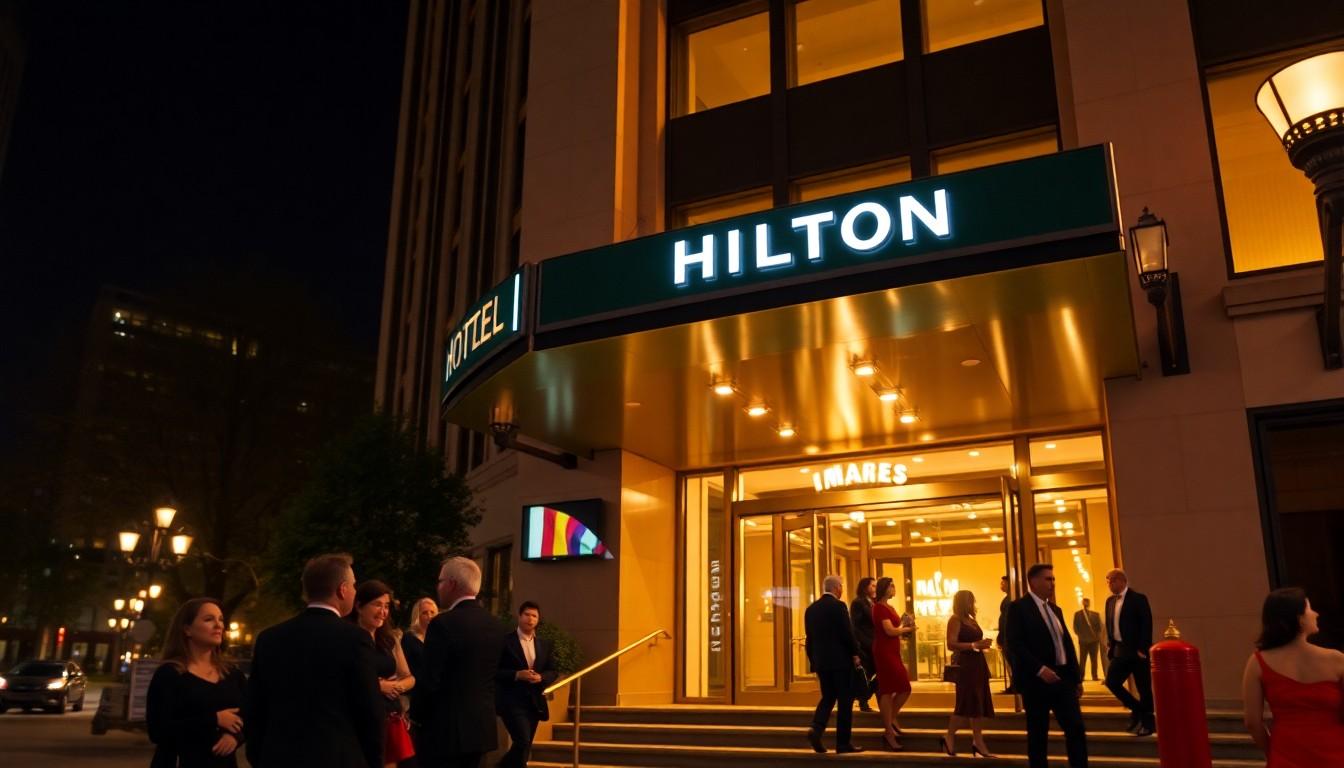
Guests gathered at Washington Hilton in Northwest Washington, D.C., for the Human Rights Campaign’s 2026 National Dinner, a sparkling evening of music, awards and urgent activism. With Michigan Gov. Gretchen Whitmer delivering the keynote, the event blended black-tie glamour with a clear message: LGBTQ equality still needs organised, determined support.
Essential Takeaways
- A major Washington gathering: The Human Rights Campaign welcomed political figures, artists, advocates and supporters to its annual National Dinner.
- Whitmer delivered the keynote: Michigan’s governor linked her state’s LGBTQ protections with the national fight ahead.
- Visibility took centre stage: Marcia Gay Harden, Junior LaBeija and André De Shields were recognised for allyship, culture and LGBTQ advocacy.
- The evening raised vital funds: Auctions and donations generated substantial support for equality campaigns and organising.
- Music kept the mood buoyant: Chasity Moore performed an emotional tribute, while Nina West closed the night with a Dolly Parton-inspired celebration.
A blue-and-gold night with serious purpose
The Human Rights Campaign’s National Dinner knows how to make an entrance. Guests arrived at the Washington Hilton in polished black tie, but the mood was far less restrained than a conventional political gathering, with extravagant hair, drag-inspired flair and a soundtrack of queer pop favourites setting the tone. The Washington Blade described a lively blue-carpet welcome before the evening moved into the International Ballroom.
That mix of sparkle and strategy is central to the event. Guests from government, film, theatre, fashion and community organisations shared the room with campaigners and donors, turning a formal dinner into something closer to a large, glamorous organising meeting. HRC’s wider communications have repeatedly placed fundraising and visibility alongside policy work, rather than treating them as separate worlds.
Gretchen Whitmer brings a reassuring message
Michigan Gov. Gretchen Whitmer gave the keynote address, offering a notably warm counterpoint to the evening’s more combative political speeches. She presented herself as both an ally and a governor with a record to defend, pointing to LGBTQ protections and initiatives introduced in Michigan under Democratic control. HRC had announced Whitmer as the event’s keynote speaker ahead of the dinner.
Her message was simple but effective: LGBTQ people should be able to love openly, live safely and expect equal treatment without having to earn it. She also pointed towards the ballot box, reminding guests that legal progress can be vulnerable when political power changes hands. That combination of encouragement and warning felt particularly pointed with the US midterm elections approaching.
For many supporters, the appeal was personal rather than abstract. Whitmer spoke about protecting her own children while working to protect other families, a framing that made policy sound less like paperwork and more like a promise made at the kitchen table. It was the sort of speech designed to leave people feeling steadier, even when the political outlook remains unsettled.
HRC turns fundraising into a show
The dinner’s entertainment value wasn't merely decorative. Before the speeches, DJ Christopher Uhl helped turn the reception into a proper party, while a silent auction offered trips, furniture, appliances and other high-value items to support equality work. Later, live bidding pushed the fundraising total higher, with comedian Dana Goldberg helping energise the room.
This is where the National Dinner differs from a standard awards ceremony. The applause, cocktails and dramatic bidding all serve a practical purpose, helping fund electoral mobilisation, policy advocacy and cultural change. HRC’s national work spans those areas, and its magazine and campaign material continue to stress the importance of sustained support rather than one-off gestures.
The spectacle also makes an important point about community power. A packed ballroom may look like a celebration, but it doubles as a network of people deciding where their money, influence and attention will go next. In other words, the glitter has a job.
Marcia Gay Harden makes allyship personal
Marcia Gay Harden received the Ally for Equality Award after a career tribute that included highlights from her film work. Her speech focused on her three queer children, her first boyfriend, and the difference between quietly caring about LGBTQ people and publicly standing beside them.
Her central argument was refreshingly direct: allyship isn't a mood or a social-media caption. It means speaking up, voting, organising and intervening when someone’s safety or dignity is under threat. HRC’s broader event coverage and photography captured the evening’s emphasis on public recognition, but Harden’s remarks brought that idea down to everyday behaviour.
That distinction matters as more brands, institutions and public figures try to describe themselves as inclusive. Support sounds lovely, but the real test arrives when inclusion becomes inconvenient, expensive or politically risky. Harden’s speech suggested that an ally’s most useful quality may be reliability.
Legendary voices look back, then forward
Junior LaBeija and André De Shields shared the evening’s Legendary Visibility Awards, connecting the present-day equality movement with the people and losses that shaped it. LaBeija, a key figure in ballroom culture and a star of Paris Is Burning, spoke about the freedom he wants for trans people and young LGBTQ people, while also acknowledging the fear that can accompany being visible.
De Shields took a more expansive view, describing identity as something capable of movement, change and transformation. His remarks linked LGBTQ liberation with a wider human responsibility to adapt, evolve and protect the future. Together, the speeches gave the awards a sense of history without turning them into a museum piece.
The emotional high point came with Chasity Moore’s performance of “Memories”, accompanied by pianist and musical director William Waldron. Then, as if the room needed reminding that joy is political too, Nina West led a Dolly Parton tribute that brought guests back to their feet. The closing image was pure National Dinner: movement history, show-business glamour and a dance floor sharing the same spotlight.
It was a night that made room for both urgency and joy. The work continues, but so does the music.
Source Reference Map
Story idea inspired by: [1]
Sources by paragraph:
- Paragraph 1: [2], [7]
- Paragraph 2: [3], [6]
- Paragraph 3: [3], [6]
- Paragraph 4: [2], [7]
- Paragraph 5: [3], [6]
- Paragraph 6: [2], [3]
- Paragraph 7: [2], [7]
- Paragraph 8: [6], [3]
- Paragraph 9: [2], [7]
- Paragraph 10: [2], [7]
- Paragraph 11: [2], [6]
- Paragraph 12: [2], [7]
- Paragraph 13: [2], [7]
- Paragraph 14: [2], [7]
- Paragraph 15: [2], [7]