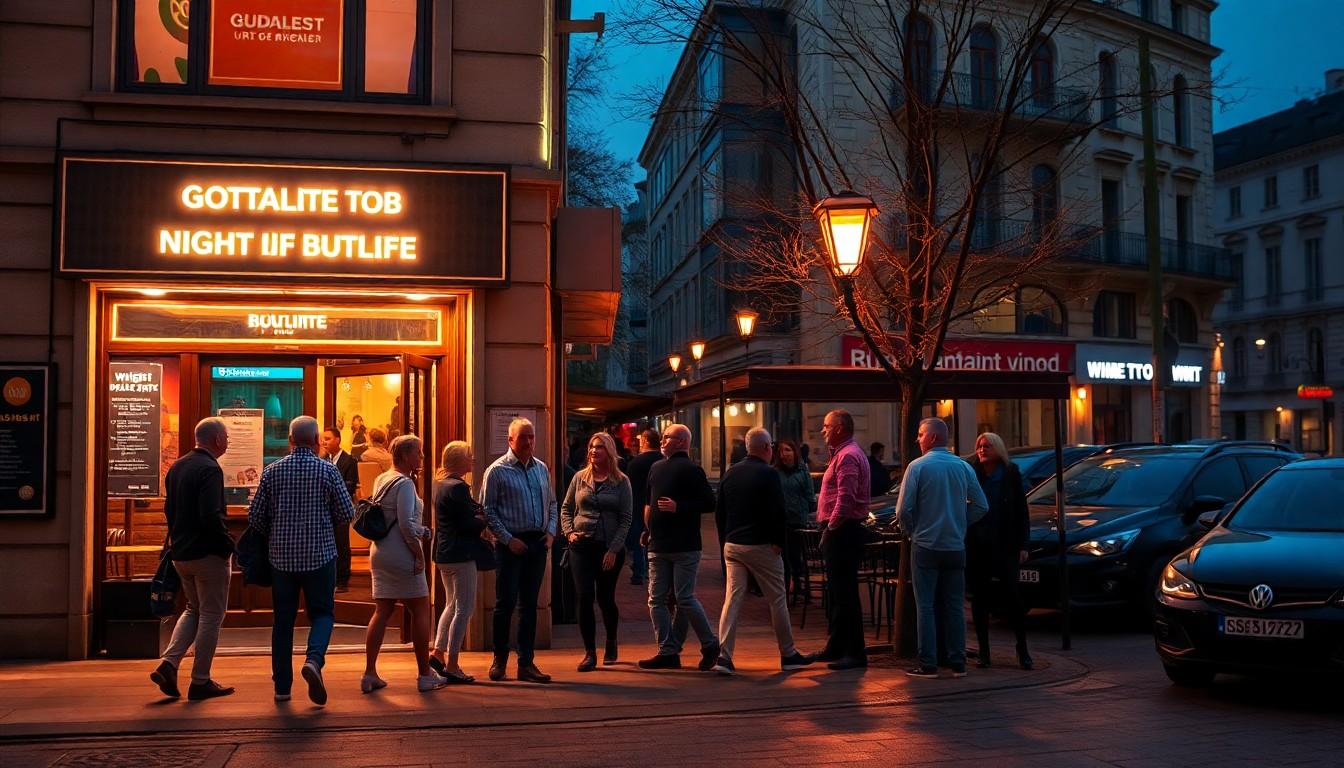
Travellers are discovering that Budapest offers far more than grand architecture and thermal baths. Across central districts, a compact but lively LGBTQ scene blends established clubs, relaxed bars, ruin-bar culture and pop-up events, making the Hungarian capital an intriguing choice for queer visitors seeking history, nightlife and a little late-night adventure.
Essential Takeaways
- Queer life is central: Districts VI and VII are useful bases for nightlife, dining and easy exploring.
- AlterEGO brings the energy: The established club is known for dancing, drag and late nights.
- The scene is broader than gay venues: Mainstream clubs, alternative spaces and temporary parties matter too.
- Women-focused options can be less permanent: Queer women often rely on wider LGBTQ events and community organisations.
- Plan with care: Budapest is welcoming in many tourist areas, but the political climate means checking current guidance is sensible.
Budapest’s queer scene is compact, not quiet
Budapest has no single LGBTQ neighbourhood with the instant shorthand of Soho or the Marais. Instead, queer-friendly venues are scattered through the centre, particularly around Districts VI and VII. That arrangement can actually work in a visitor’s favour, since a night out may also include a ruin bar, a late dinner or a walk through the atmospheric Jewish Quarter.
The city’s appeal starts well before sunset. The Danube, Parliament, Castle District and art nouveau facades provide a dramatic backdrop, while coffee houses and thermal baths offer slower-paced counterpoints to the nightlife. It’s the kind of place where a morning in a historic bathhouse can lead, several hours later, to dancing until dawn.
According to Gaymap.live, venues such as AlterEGO sit within a wider network of LGBTQ-friendly places rather than an isolated district. That makes a little advance planning useful, especially if you want to combine several stops without spending the evening crossing the city. (Gaymap.live)
AlterEGO and the city’s late-night pulse
For a classic Saturday-night outing, AlterEGO remains one of the names most associated with Budapest’s gay club scene. The venue combines dancing, performances and a distinctly late schedule, so arriving early may feel surprisingly quiet. In Budapest, midnight is often closer to the beginning than the end.
The club’s appeal lies in its sense of occasion. This isn’t simply somewhere to have one drink before moving on; it’s a destination for visitors who want music, drag and a properly energetic night out. Offbeat Budapest also highlights AlterEGO as one of the city’s established LGBTQ nightlife options, reinforcing its place on a first-time itinerary. (Offbeat Budapest)
Meanwhile, listings on Gaymap.live point visitors towards other spaces, including Coxx, Freedom Club and Toldi Klub. They reflect the variety of the local scene, from dedicated nightlife venues to alternative cultural or social settings. (Gaymap.live)
Ruin bars, baths and brilliant detours
Budapest’s LGBTQ experience shouldn’t be reduced to clubbing. The city’s ruin bars, particularly in the old Jewish Quarter, have become essential stops in their own right, with improvised interiors, mismatched furniture and a pleasantly scruffy charm. They’re ideal for easing into an evening, although the busiest venues can become crowded and noisy.
Then there are the thermal baths. Széchenyi and Gellért are public bathhouses rather than LGBTQ venues, but skipping them would mean missing one of Budapest’s defining experiences. The warm water, grand interiors and unhurried pace offer a welcome reset after a long day of sightseeing.
A practical tip for queer travellers is to build flexibility into the itinerary. Some events are occasional rather than permanent, and alternative venues may change their programming. Check current listings before setting out, particularly if you’re looking for a specific party or community event. (Gaymap.live)
What queer women and solo travellers should know
Budapest’s permanent LGBTQ nightlife is generally more visible and better established for gay men than for lesbian and queer women. That doesn’t mean queer women are absent from the city’s social life, but it does mean the best options may be broader LGBTQ events, cultural programmes and temporary women-focused parties rather than a dedicated lesbian bar.
For solo visitors, smaller, more relaxed venues can be a comfortable starting point. A quieter bar makes it easier to chat, ask for local recommendations and decide whether you want a bigger night later. It’s a simple strategy, but one that can make an unfamiliar city feel friendly much faster.
The wider community also matters. Organisations and cultural groups have helped maintain spaces for discussion, visibility and connection, particularly when political conditions have made LGBTQ public life more complicated. That combination of nightlife and community is part of what gives Budapest its depth.
A beautiful city with a complicated backdrop
Budapest’s grand, open-hearted tourist image sits alongside Hungary’s more difficult LGBTQ political environment. Restrictions introduced under Viktor Orbán’s government affected LGBTQ representation and education, while same-sex marriage remains unavailable, although registered partnerships exist.
That tension is important context for visitors. Central Budapest can feel lively and visibly queer, yet the atmosphere may be different outside the main tourist and nightlife areas. Ordinary travel precautions still apply, but it’s wise to be thoughtful about public displays of affection and to check current advice before attending Pride, demonstrations or political events.
Budapest Pride has become both a celebration and a public statement, making it especially significant for LGBTQ travellers. The situation can change quickly, so official event information and up-to-date local guidance are more useful than relying on old travel assumptions. The city remains compelling, but its complexity deserves attention as well as admiration.
For a stylish base, Kimpton BEM Budapest offers a striking option on the Buda side of the Danube. Its folklore-inspired interiors, Castle District location and access to major landmarks make it a useful retreat after a long day or a very late night. It’s a reminder that Budapest’s design story is just as layered as its nightlife.
Budapest rewards curious visitors: wander widely, check the listings, and let the city reveal itself after dark.
Source Reference Map
Story idea inspired by: [1]
Sources by paragraph:
- Paragraph 1: [2], [3]
- Paragraph 2: [4], [5]
- Paragraph 3: [6], [7]
- Paragraph 4: [2], [4]
- Paragraph 5: [3], [6]
- Paragraph 6: [5], [7]
- Paragraph 7: [2], [3]
- Paragraph 8: [4], [5]
- Paragraph 9: [6], [7]
- Paragraph 10: [2], [3]
- Paragraph 11: [4], [6]
- Paragraph 12: [5], [7]
- Paragraph 13: [2], [4]
- Paragraph 14: [3], [6]
- Paragraph 15: [5], [7]
- Paragraph 16: [2], [3]
- Paragraph 17: [4], [6]