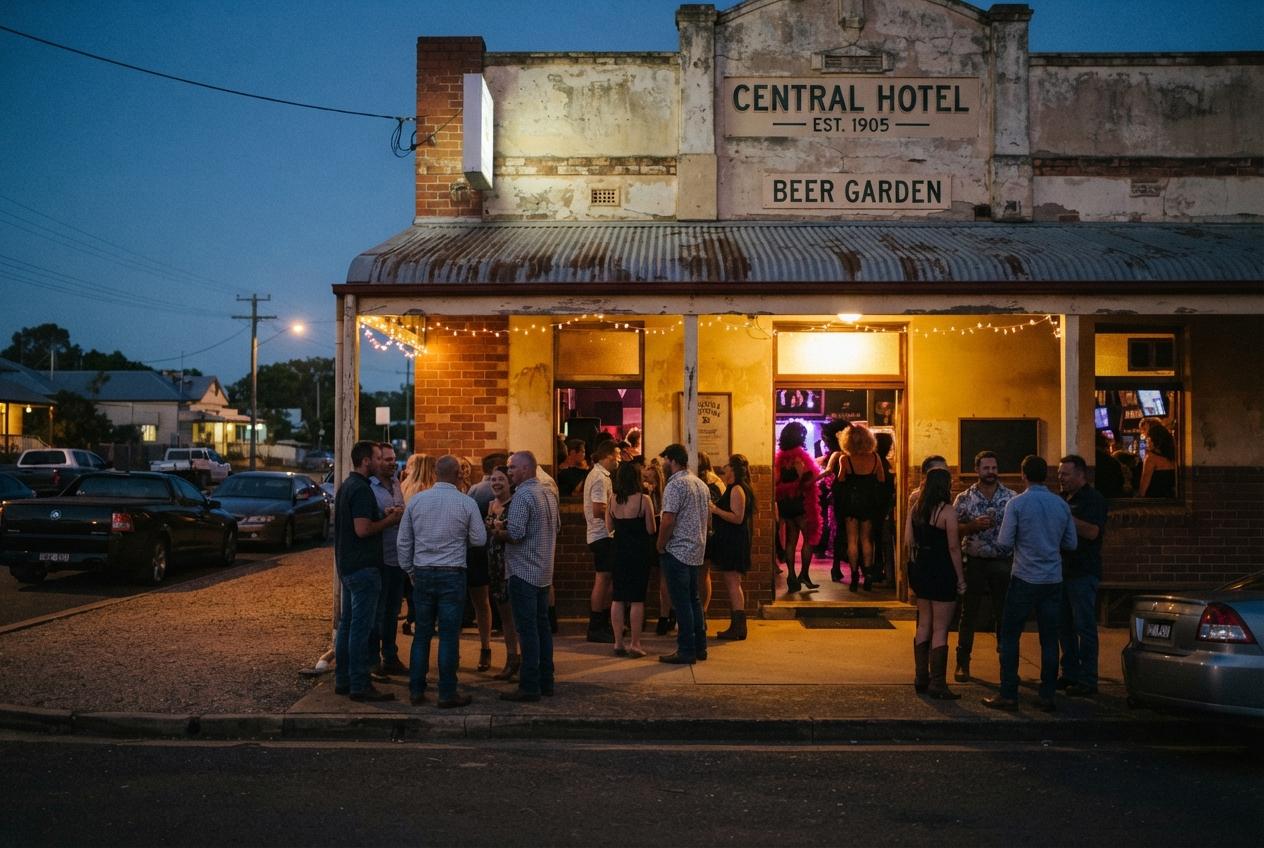
A road trip by four drag queens to Emerald, Queensland, has shown how warmly regional audiences can embrace queer performance. The sold-out pub show brought glamour, comedy and visibility to a town far from Australia’s familiar LGBTQIA+ nightlife hubs, while reminding locals that community can flourish well beyond the big cities.
A sold-out show changes the mood
The strongest message from this country Queensland drag show wasn't just the glitter or towering heels. It was the roar from the crowd when the queens arrived on stage at a central-west Queensland pub, where the room quickly felt less like a remote venue and more like a joyful community gathering.
Emerald, home to roughly 15,000 people, might seem an unlikely stop for a touring drag act. Yet the event sold out weeks ahead of time and reportedly exceeded capacity on the night, suggesting regional audiences are more than ready for lively, inclusive entertainment. Local venues such as the Emerald Star Hotel and Mayfair Emerald reflect the broader role country pubs can play as social meeting points. [2], [6], [7]
For performer Leisha Luck, the response was more than flattering. After years of working professionally in Sydney and Melbourne, she described the Emerald booking as a reminder of why she performs. That kind of reaction matters, particularly in places where queer events can still feel occasional rather than woven into the local calendar. [2], [6]
Regional drag has deeper roots than many realise
Central Queensland's drag story didn't begin with reality television. Performers in Rockhampton recall packed queer nights in the 2000s, when venues sometimes hesitated to be associated with LGBTQIA+ events because of the stigma attached to being seen as a gay venue.
Over time, those nights developed into more lasting events, with performers and organisers building an audience that could return month after month. Queensland's cultural archives also underline how stage performance has long provided room for flamboyance, satire and identity, even when mainstream spaces were less welcoming. [3], [5]
That history gives today's touring queens a useful foundation. The sequins may be brighter and the social media reach much wider, but the basic ingredient remains the same: a room where people can laugh, cheer and see themselves reflected.
Why representation matters outside the capitals
For LGBTQIA+ young people in regional areas, visibility can be surprisingly hard to find. Distance, limited public transport and smaller social networks can make it difficult to connect with queer culture, while concerns about safety may encourage people to change how they dress, speak or behave.
Mental health services have repeatedly stressed the importance of family support, belonging and positive representation. A drag show won't solve every problem, of course, but it can create a vivid, memorable sign that queer people are present and welcome. In that sense, the stage becomes more than entertainment. It becomes a beacon. [3], [4]
For local performers such as Krimsyn Kaos, drag has also been personal. Discovering a stage persona helped turn years of self-doubt into confidence and opened up a more comfortable relationship with identity. That's a powerful reminder that representation works best when it feels real, close and attainable, rather than something seen only on a screen.
Country pubs are becoming unexpected queer venues
A successful show depends on more than the performers. The venue needs to provide a welcoming atmosphere, practical facilities and enough room for a crowd ready to clap, dance and perhaps shout at the stage with impressive enthusiasm.
That makes established regional hotels important players in the local events scene. Places including Maraboon Tavern, the Sportsman Hotel and Emerald's larger pub venues offer the sort of accessible, familiar setting that can help a queer event feel part of everyday community life rather than an outsider attraction. [2], [5], [6]
For audiences, the advice is simple: check the venue's event details, book early if tickets are available and arrive prepared for a lively night. Drag shows can include strong language, audience interaction and plenty of playful chaos, so a sense of humour is essential. Comfortable shoes are sensible too, although the queens may disagree.
The outlook is brighter, but visibility still counts
The changing reception in central Queensland reflects a wider shift. Greater familiarity with drag through television and online platforms has helped audiences understand the craft involved, from costume and makeup to choreography, character and comic timing.
Still, a national trend doesn't automatically create local belonging. Someone in a regional town may know drag from a streaming service but never have watched a queen perform ten metres away. That first live experience can land differently, especially for young people wondering whether there's a place for them where they already live. [3], [4]
The Emerald crowd offered a cheerful answer: yes, there is room. The show was entertaining, but it also made the town feel a little bigger, warmer and more open for one night. Sometimes that starts with a microphone, a gold dress and a very confident entrance.
A glittering night on the road can make regional belonging feel wonderfully real.
Source Reference Map
Story idea inspired by: [1]
Sources by paragraph: