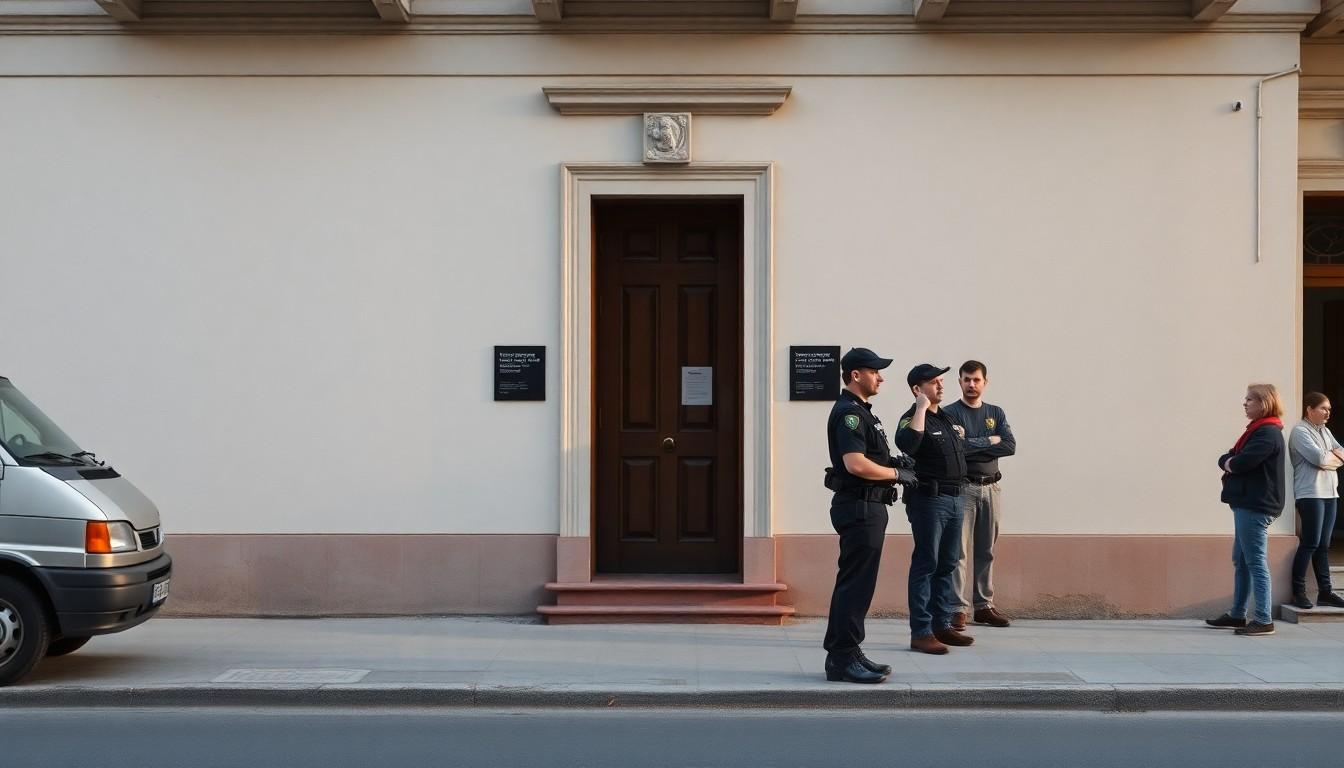
Rights groups are warning of a sweeping LGBTQIA+ crackdown in Turkey, where more than 100 people have reportedly been arrested, queer spaces raided and online accounts restricted. The coordinated action has targeted activists, journalists, HIV support organisations and community venues, raising fresh fears about safety, civil liberties and the future of LGBTQIA+ advocacy.
Essential Takeaways
- Nationwide action: Raids and arrests reportedly took place across 15 provinces.
- Community groups targeted: LGBTQIA+ organisations, HIV awareness teams and journalists were among those affected.
- Online restrictions: Activist, media and rights-group social media accounts were limited or blocked.
- Protests suppressed: Demonstrators in Istanbul and Izmir faced pepper spray, detentions and arrests.
- Rights groups demand releases: Amnesty International and Human Rights Watch have called for detained activists to be freed.
More than 100 people caught in coordinated raids
The scale of the operation is what makes Turkey’s latest LGBTQIA+ crackdown so alarming. Amnesty International reported that more than 100 people were detained during raids carried out over several days, with some placed in pre-trial detention.
The action reportedly reached homes, offices and community venues across 15 provinces. According to the Washington Post, those targeted included LGBTQIA+ rights workers and people connected to HIV support services, suggesting that the operation went well beyond a single protest or organisation.
For communities already accustomed to pressure, the message is stark. A familiar meeting place, a support network or even an old social-media post can suddenly feel like a liability.
Why were LGBTQIA+ and HIV groups targeted?
The raids reportedly involved Kaos GL, one of Turkey’s best-known LGBTQIA+ rights organisations, along with HIV awareness groups and independent journalists. The Los Angeles Times described the operation as a broad assault on organisations providing rights advocacy and public-health support.
That overlap matters. HIV organisations often provide testing information, prevention advice and links to care, while LGBTQIA+ groups offer legal help, crisis support and community spaces. Restricting them can leave vulnerable people with fewer safe ways to find practical assistance.
Several senior figures were reportedly detained, including leaders connected to Kaos GL. Journalist Tugba Tekerek was also detained in relation to a previous article about LGBTQIA+ rights in Georgia, according to reporting cited by LGBTQ Nation.
Protesters faced force on the streets
The crackdown did not stop at raids. When protesters gathered in Istanbul and Izmir, authorities reportedly used pepper spray and detained demonstrators, while two people were arrested.
At one protest outside Istanbul’s Caglayan courthouse, AFP reported that people displaying a banner stating that being LGBTQIA+ is not a crime were quickly detained. It’s a small sentence, but a powerful one, especially when saying it publicly is treated as grounds for intervention.
Metro Weekly reported that the arrests and demonstrations formed part of a wider pattern of pressure on LGBTQIA+ groups. For campaigners, the street response reinforces the fear that even peaceful public solidarity may now carry serious consequences.
Social media restrictions extend the pressure
The campaign has also moved online, with hundreds of accounts reportedly restricted or blocked. Affected accounts included LGBTQIA+ organisations, individual activists, journalists and Amnesty International’s Turkey account, according to Human Rights Watch and other rights reporting.
That digital pressure can be particularly damaging. Social platforms are often where people find emergency contacts, protest information, legal updates and health resources. When accounts disappear or become difficult to access, misinformation fills the gap quickly.
Benjamin Ward, Human Rights Watch’s deputy Europe and Central Asia director, called the campaign an attempt to criminalise and marginalise LGBTQIA+ people while silencing organisations that defend them. Amnesty International similarly urged Turkish authorities to end the crackdown and release activists detained without credible evidence of criminal wrongdoing.
What happens next for LGBTQIA+ people in Turkey?
The immediate concern is the welfare of those held in detention and the prospect of prolonged legal proceedings. Rights groups are calling for releases, transparency and an end to restrictions on LGBTQIA+ civil society, but the political climate remains deeply hostile.
The operation also risks weakening essential services at precisely the moment they are most needed. If organisations lose staff, funding, venues or online access, people seeking HIV information, legal advice or emotional support may struggle to find help.
For Turkey’s LGBTQIA+ community, the coming weeks will be watched closely by activists at home and supporters abroad. International attention won’t solve the crisis on its own, but it can make quiet repression harder to ignore.
The crackdown has made one thing painfully clear: visibility remains both a lifeline and a risk.
Source Reference Map
Story idea inspired by: [1]
Sources by paragraph:
- Paragraph 1: [2], [3]
- Paragraph 2: [3], [4]
- Paragraph 3: [4], [5]
- Paragraph 4: [5], [7]
- Paragraph 5: [6], [7]
- Paragraph 6: [2], [4]
- Paragraph 7: [2], [6]
- Paragraph 8: [3], [4]
- Paragraph 9: [2], [5]
- Paragraph 10: [2], [3]
- Paragraph 11: [4], [6]
- Paragraph 12: [2], [4]
- Paragraph 13: [3], [5]
- Paragraph 14: [2], [7]
- Paragraph 15: [2], [4]
- Paragraph 16: [3], [6]
- Paragraph 17: [2], [4]
- Paragraph 18: [3], [7]
- Paragraph 19: [2], [5]
- Paragraph 20: [2], [4]