Visitors to The ArQuives in Toronto will soon find a new creative focal point inside its Reading Room: Glory Hole Gallery, a community-rooted 2SLGBTQ+ micro-gallery, will present four exhibitions from September 2026 to September 2027. The move brings nearly a decade of queer-led programming into a vital archival setting.
Essential Takeaways
- A year-long programme: Four exhibitions are planned between September 2026 and September 2027.
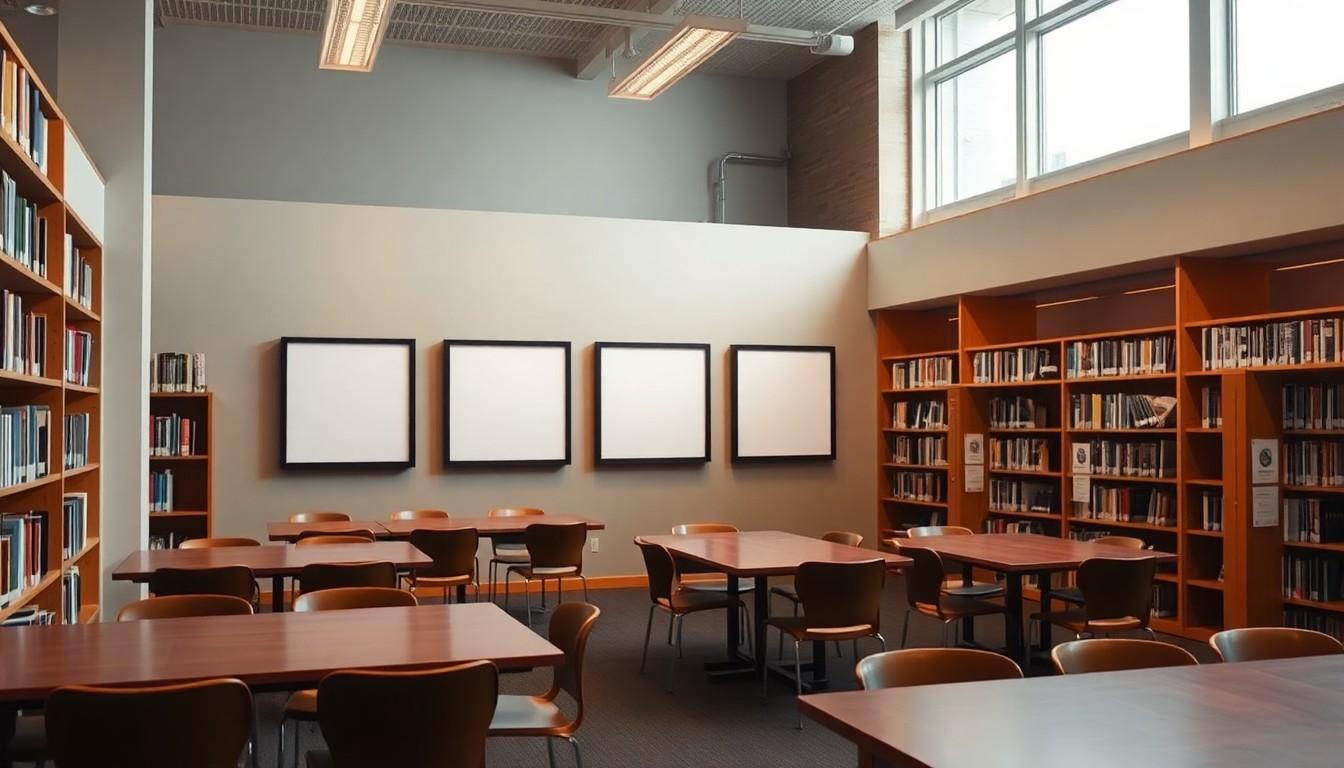
- A distinctive home: The gallery will occupy a wall in The ArQuives' Reading Room.
- Toronto roots: Glory Hole Gallery was founded locally in 2017 by curator Emily Peltier.
- Community first: Its programme centres 2SLGBTQ+ creativity, lived experience and resistance to erasure.
- A meaningful setting: The ArQuives preserves and shares LGBTQ2S+ histories, giving the project extra resonance.
A tiny gallery with a sizeable purpose
The new installation may be compact, but its ambition is anything but. Glory Hole Gallery will bring four exhibitions to The ArQuives, offering visitors a changing glimpse of 2SLGBTQ+ artistic practice in one of Toronto's most important queer cultural spaces.
The gallery was founded in 2017 as a deliberately local response to censorship, exclusion and the barriers that can keep artists out of established institutions. Its intimate format is part of the point. Rather than waiting for permission from the traditional art world, the project makes room on its own terms.
That approach gives the exhibitions a personal, immediate quality. The work won't simply be presented as distant cultural history; it'll sit within a living archive, surrounded by the stories, objects and memories of communities it seeks to represent.
Why The ArQuives is a natural fit
The partnership makes clear sense. The ArQuives is dedicated to collecting, preserving and sharing LGBTQ2S+ histories, while Glory Hole Gallery has spent years foregrounding contemporary creativity and lived experience. Together, they connect the past with the present in a particularly tangible way.
Placing the gallery in the Reading Room is also more than a practical arrangement. It turns a working research environment into a meeting point between archival discovery and current artistic expression. Visitors arriving to explore history may encounter new work, while gallery audiences can find themselves drawn deeper into the archive.
For many people, that crossover could be the most rewarding part of the project. A quiet visit to look through collections might suddenly become a conversation with a new artwork, a familiar memory or an idea that refuses to sit neatly on a shelf.
Reclaiming a loaded name
The gallery's name is intentionally provocative. It draws on a queer practice shaped by anonymity and the social pressures that made secrecy necessary, including policing, homophobia, transphobia, racism, whorephobia and attacks on sex workers' rights.
In this context, the term is reclaimed rather than used for shock value. It points towards survival, refusal and cultural self-determination, while acknowledging the difficult histories that queer communities have had to navigate.
That tension is important. The project isn't trying to make the past look tidy or respectable. Instead, it recognises that queer culture has often developed in overlooked, improvised and sometimes hidden spaces. The gallery's title brings that history into view and asks audiences to consider who gets to define cultural legitimacy.
What visitors can expect from the series
The full exhibition details will be announced through Glory Hole Gallery and The ArQuives, but the format already suggests an engaging programme. Four shows across twelve months should allow each presentation to have its own mood, focus and visual language, rather than rushing through a single crowded display.
Because the gallery has worked collaboratively with Toronto-based artists, curators, organisations and community partners, visitors can expect a programme shaped by relationships rather than a purely top-down institutional brief. That community connection has been central to the gallery since its launch.
If you're planning a visit, check opening information and exhibition updates before travelling. The ArQuives' Reading Room is a place for both public engagement and research, so a little preparation will help you make the most of the experience.
A small space with a long future
Glory Hole Gallery's arrival also reflects a wider appetite for cultural projects that are specific, independent and closely connected to the people they serve. Its history of support from arts funders, universities, local organisations and The ArQuives shows how a small initiative can build lasting momentum without losing its community focus.
The coming year should offer a useful reminder that scale isn't the same as importance. A single wall can hold a great deal when it's backed by careful curation, shared history and the determination to keep queer creativity visible.
For visitors, that may be the real draw: not just seeing a new exhibition, but spending time in a space where art and memory are allowed to speak to each other.
It's a small gallery with a powerful invitation: look closer, stay curious and make room for stories that have too often been pushed aside.
Source Reference Map
Story idea inspired by: [1]
Sources by paragraph:
- Paragraph 1: [2], [3]
- Paragraph 2: [4], [6]
- Paragraph 3: [5], [6]
- Paragraph 4: [2], [4]
- Paragraph 5: [3], [5]
- Paragraph 6: [2], [6]
- Paragraph 7: [4], [5]
- Paragraph 8: [2], [3]
- Paragraph 9: [4], [6]
- Paragraph 10: [2], [5]
- Paragraph 11: [3], [6]
- Paragraph 12: [4], [5]
- Paragraph 13: [2], [6]
- Paragraph 14: [3], [4]
- Paragraph 15: [5], [6]