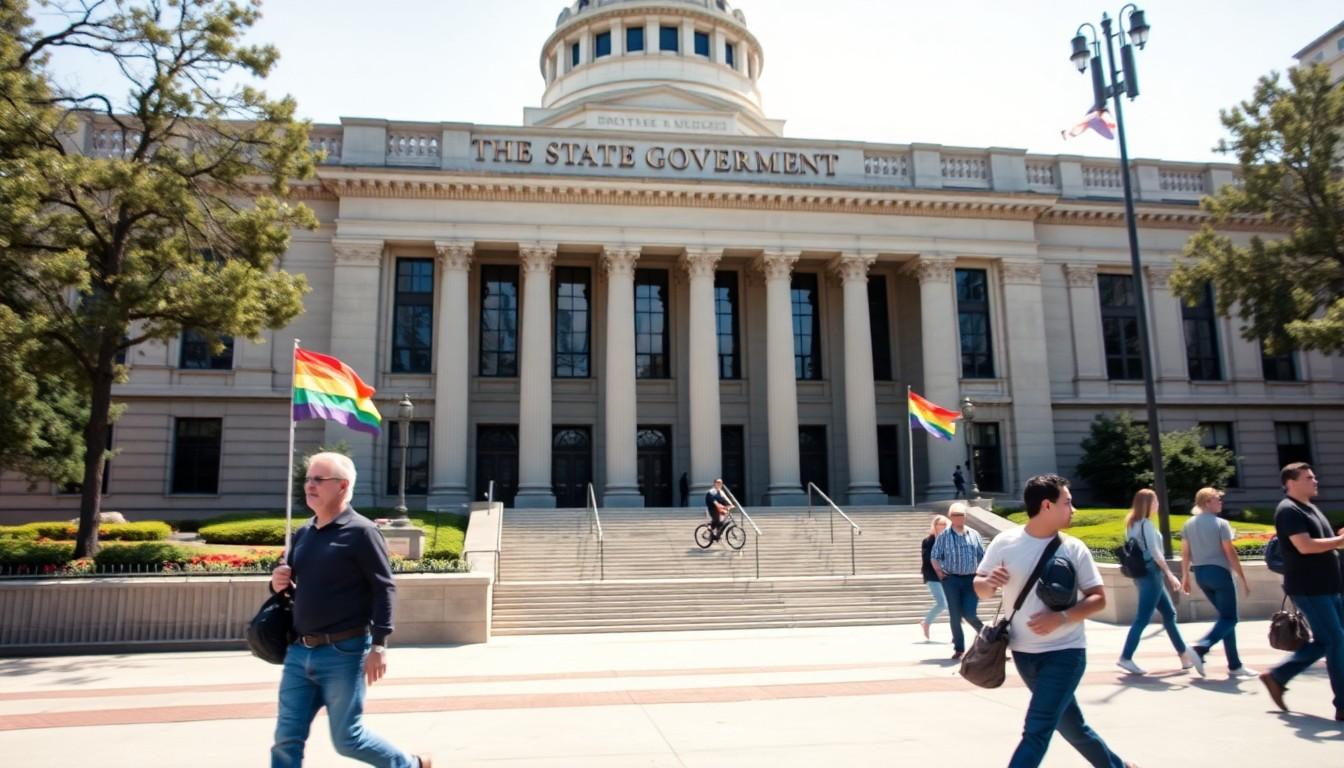
California Governor Gavin Newsom has signed a new package of LGBTQ protection bills aimed at limiting sensitive data sharing, supporting affected servicemembers and keeping essential healthcare accessible. The measures arrive as LGBTQ rights face renewed pressure nationally, giving Californians more privacy, clearer support and a stronger state-level safety net.
Essential Takeaways
- Health data privacy: New rules restrict the sharing of sexual orientation, gender identity and intersex information.
- Support for servicemembers: Veterans affected by the military ban can receive help with housing, work and civilian life.
- Youth safeguards: California is updating its conversion therapy protections and extending support across public campuses.
- HIV prevention: Access to PrEP and PEP is being reinforced as federal services face uncertainty.
- State response: The package reflects California's broader strategy of protecting LGBTQ residents through state law.
California is drawing a firmer line around sensitive health data
The most immediate change is about information that should never feel casually exposed. The new measures limit how sexual orientation, gender identity and intersex data can be shared, while adding safeguards when healthcare providers receive subpoenas connected with protected care. According to the Governor's Office, providers and institutions must notify the state attorney general in such cases, allowing the office to respond where necessary. [3]
That matters because privacy isn't an abstract legal nicety when medical records can reveal deeply personal details. The Los Angeles Times has reported on the political and legal tensions surrounding California's latest LGBTQ legislation, placing the package within a wider national fight over healthcare, identity and state authority. [2]
Practical help for servicemembers, not just political messaging
Another part of the package focuses on servicemembers discharged because of the federal ban on trans people serving in the military. The support includes housing, employment assistance and help with the difficult transition into civilian life. Those services could make a meaningful difference for people suddenly left to rebuild their plans and finances. [6]
California has been developing this approach for several years. Earlier measures supported LGBTQ veterans affected by "Don't Ask, Don't Tell", helping eligible former servicemembers update records and reach education, healthcare and burial benefits. The state's previous announcements show a continuing effort to turn recognition into practical assistance. [4]
Youth protections are being refreshed for a new legal landscape
California is also updating its longstanding ban on conversion therapy, following a US Supreme Court decision that struck down Colorado's prohibition on the discredited practice. The change is designed to preserve protections for LGBTQ young people while responding to the limits created by that ruling. [6]
The package also aims to make public higher education more supportive by ensuring resources reach satellite campuses, not only flagship sites. That's a useful detail: support is only meaningful if students can find it close to where they actually study. California has previously backed broader LGBTQ protections in education and public life, according to state announcements. [3]
PrEP and PEP remain central to California's HIV strategy
The legislation strengthens access to PrEP and PEP, medicines used to prevent HIV before or shortly after potential exposure. The goal is to help Californians continue obtaining these treatments even as federal HIV services are rolled back or face disruption. [6]
For patients, continuity is the key issue. Prevention medication works best when people can access it without confusing gaps, sudden administrative hurdles or worries about affordability. Earlier state measures have also treated LGBTQ healthcare access as a core public-health responsibility, rather than a separate or optional concern. [5]
California's message is clear, but implementation will matter
Newsom has repeatedly positioned California as a counterweight to the Trump administration, and his office says these bills respond directly to federal actions affecting LGBTQ people. State Senator Sabrina Cervantes said every LGBTQ Californian should feel valued at home, in education, at work and in the community, while Assemblymember Chris Ward described the package as a defence of dignity, safety and freedom. [6]
The measures also add another chapter to Newsom's record as a prominent LGBTQ ally, although his views on trans women in sport have drawn criticism from some advocates. That tension is worth remembering: policy packages can offer real protections while political debates around transgender rights remain complicated. For Californians, the practical test will be whether these safeguards are easy to understand, properly funded and available when people need them. [4]
It's a small comfort in a noisy political moment, but strong local protections can still make everyday life feel safer.
Source Reference Map
Story idea inspired by: [1]
Sources by paragraph: