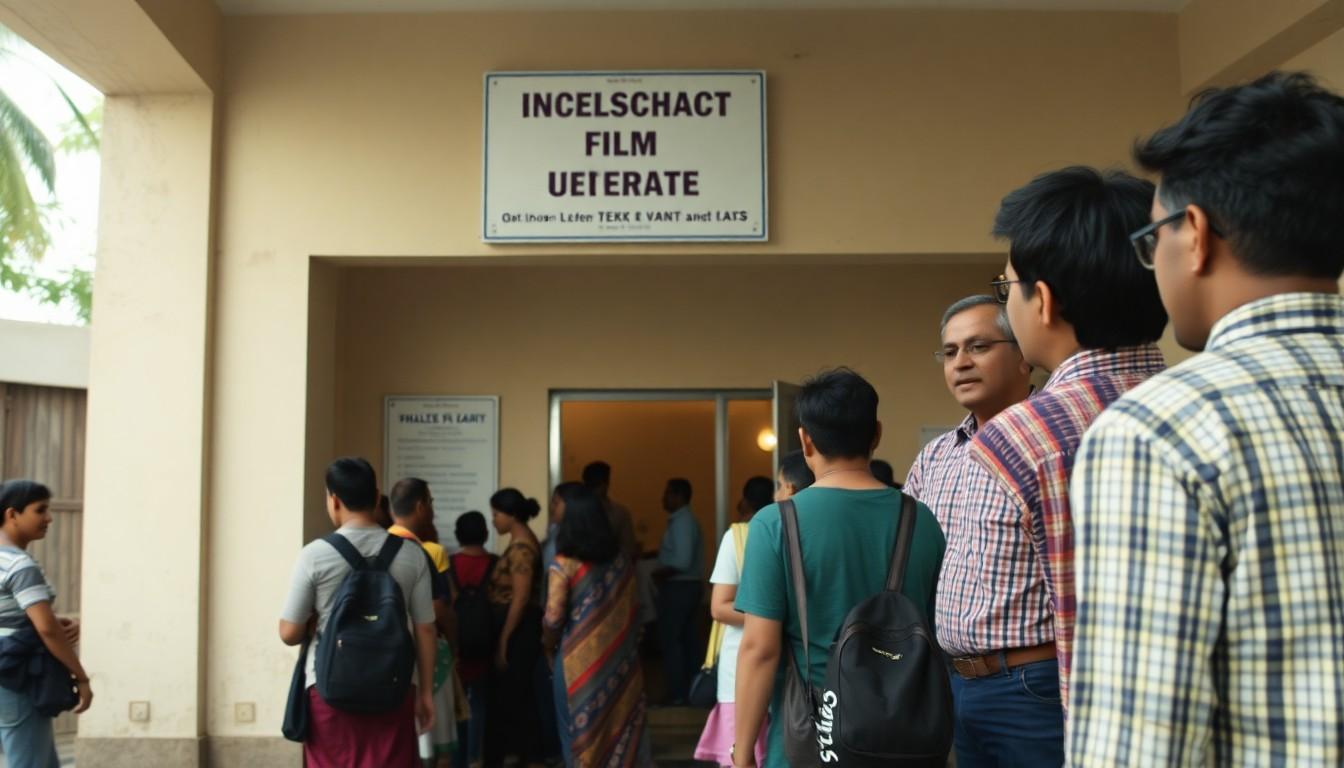
Audiences are debating Karthik Subbaraj's Dorothy after the Tamil film moved from a warm Toronto reception to fierce online criticism in India. The controversy centres on its queer and transgender characters, leaked scenes and calls for a boycott, raising uncomfortable questions about representation, context and why LGBTQ+ stories still provoke such strong reactions.
Essential Takeaways
- A sharp change in mood: Dorothy received a standing ovation at TIFF before facing a social-media backlash around its Indian release.
- Context became collateral: Clips and dialogue excerpts circulated online, prompting criticism before many viewers had seen the full film.
- Trans representation is central: Posts targeting the film included openly hostile reactions to its transgender character.
- Supporters pushed back: Many viewers defended the film and highlighted what they saw as hypocrisy in the debate.
- Malayalam cinema entered the conversation: Audiences compared Dorothy's reception with the warmer response to queer-themed films from Kerala.
From Toronto applause to a very different homecoming
The contrast is striking. Dorothy arrived from the Toronto International Film Festival with the kind of response filmmakers dream about: applause, curiosity and praise for its central performances. Back home, however, the conversation quickly became far more combative, according to the Hindustan Times.
The shift happened before and immediately after the film's 25 September theatrical release. Social-media users began discussing its treatment of queer and transgender lives, while clips containing important scenes and twists spread online. That meant Dorothy was being judged both as a film and through fragments removed from its wider story, as NDTV reported.
Cinema audiences are used to arguments about plot, acting and politics. But this debate became more personal, with director Karthik Subbaraj, actor Rishikanth and other members of the team facing targeted criticism. It made the film's release feel less like a conventional opening weekend and more like a live culture-war battleground.
Why one line became a flashpoint
One dialogue delivered by trans actor Jeeva became particularly prominent online. Shared without the surrounding scene, the line was interpreted by some users as an attack on heterosexual people. Others argued that its target was prejudice itself, not straight audiences, according to reports from India Today.
That distinction matters. A character speaking forcefully about discrimination isn't necessarily presenting a manifesto against everyone outside their community. Films often use sharp dialogue to express anger, fear or defiance, but social media rewards the shortest, most provocative extract. A sentence can travel faster than the scene that explains it.
The result is a familiar digital problem: audiences react to a screenshot or a clipped video, while the film's emotional and narrative context disappears. Cinema Express reported that Subbaraj said he trusted viewers amid Dorothy's mixed response, a stance that suggests he wants the complete film to be considered rather than its most easily circulated moments.
The backlash widened beyond the film
The dispute grew after filmmaker Mohan criticised LGBTQ+ representation in Tamil cinema, framing it as an imported influence that threatened tradition and culture. His comments drew support from some users, while others challenged the idea that queer and trans people are somehow external to Indian society, India Today reported.
That exchange shifted attention from one film to a broader argument about who gets to appear on screen, and under what conditions. Supporters of Dorothy pointed to the uneven standards applied to different kinds of movie content. Violence, revenge and criminality can be consumed as entertainment, they argued, yet queer intimacy is often treated as uniquely controversial.
There was also a pointed generational irony in the discussion. Dorothy features music by Ilaiyaraaja, while many younger online voices were defending the film against hostility. The conversation showed that cinematic progress doesn't always move neatly from one generation to the next. Sometimes an older creative institution is involved in a newer, more challenging story, while parts of its potential audience resist it.
Malayalam cinema offers a useful comparison
As the argument intensified, viewers began comparing Dorothy's reception with Malayalam films that have explored queer identity through well-known actors. Mammootty's Kaathal: The Core, Nivin Pauly's Moothon and Prithviraj's Mumbai Police were repeatedly mentioned as examples of films that entered the mainstream conversation without triggering quite the same level of outrage, according to the Times of India.
The comparison isn't a simple verdict on one state's audience. Malayalam cinema has its own debates and blind spots, and no industry can claim a spotless record. Still, the contrast suggests that familiarity matters. When respected stars and established filmmakers treat queer characters as part of ordinary dramatic life, audiences may be more willing to engage with the story rather than reject the subject outright.
It also highlights the value of craft. Viewers can respond differently when representation arrives through a carefully built character with humour, vulnerability and contradictions, rather than as a symbolic talking point. For anyone considering Dorothy, the practical advice is straightforward: watch the film in full before deciding what its politics or emotional argument actually are.
What Dorothy's controversy may leave behind
Subbaraj's decision to trust viewers places responsibility on the audience, too. That doesn't mean every viewer has to admire Dorothy, or that criticism should be off limits. It does mean the conversation is stronger when it addresses the finished work rather than leaked fragments, hostile summaries or assumptions about LGBTQ+ lives.
The online support for the film is important because it shows that the backlash isn't the whole story. Many viewers defended queer representation, criticised the boycott calls and questioned why fictional LGBTQ+ relationships were being treated as a threat. The reaction around Dorothy has therefore become a measure of changing audience expectations as much as a review of the film itself.
Whether the controversy helps or hurts the film commercially remains to be seen. But it has already made one thing clear: queer and transgender stories are no longer invisible in mainstream South Indian cinema. They're visible enough to be challenged, defended and argued over, which is uncomfortable progress, but progress nonetheless.
It's worth watching the whole story before judging the noise around it.
Source Reference Map
Story idea inspired by: [1]
Sources by paragraph:
- Paragraph 1: [3], [4]
- Paragraph 2: [2], [3]
- Paragraph 3: [4], [5]
- Paragraph 4: [2], [3]
- Paragraph 5: [4], [5]
- Paragraph 6: [6], [3]
- Paragraph 7: [2], [4]
- Paragraph 8: [6], [3]
- Paragraph 9: [5], [6]
- Paragraph 10: [2], [3]
- Paragraph 11: [4], [5]
- Paragraph 12: [3], [6]
- Paragraph 13: [2], [5]
- Paragraph 14: [3], [4]