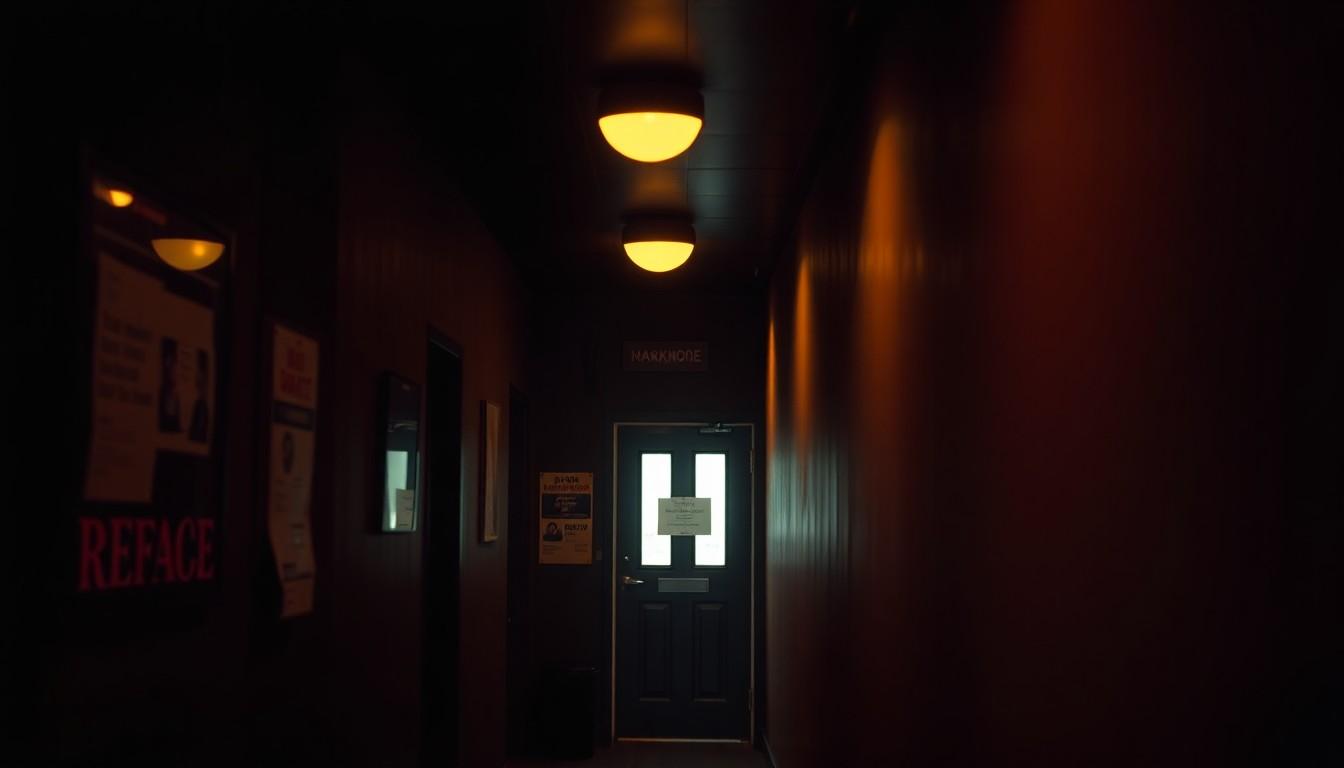
Visitors are rethinking what makes a darkroom feel exciting, welcoming and safe. Across UK queer venues, these deliberately low-lit spaces still offer anonymity and freedom, but clear consent, practical boundaries and good hygiene matter just as much as atmosphere. The result is a more thoughtful kind of nightlife, where mystery doesn't have to mean confusion.
Essential Takeaways
- Consent comes first: Ask, listen and stop immediately if someone seems unsure.
- Anonymity has value: Darkrooms can offer privacy for people exploring sex outside conventional social settings.
- Know the layout: Venues differ, so check entrances, exits, lighting and staff points before joining in.
- Bring practical essentials: Condoms, lube and hand sanitiser can make the experience more comfortable.
- Respect the mood: A darkroom isn't an invitation to touch everyone in it.
Why darkrooms still matter in queer nightlife
A darkroom can feel like stepping into another world: warm air, muffled music and the sudden freedom of not being watched. Usually found inside clubs, bars, saunas or sex-positive events, these spaces are designed for anonymous or semi-anonymous sexual encounters.
That anonymity isn't merely theatrical. Queer Health describes darkrooms as environments shaped by privacy, sexual expression and community, while broader histories of cruising show how discreet meeting places have offered queer people ways to connect beyond mainstream institutions. For some visitors, the appeal is uncomplicated release. For others, it's the rare chance to explore desire without being scrutinised.
The tension is that freedom works best when everyone understands the boundaries. Darkness can soften social pressure, but it can also make communication harder, especially when the music is loud and faces are difficult to read.
The atmosphere is changing, but the appeal remains
Traditional darkroom culture has often been associated with excess, secrecy and a deliberately unruly edge. That reputation still attracts people who enjoy the sense of stepping outside everyday respectability, but today's visitors are increasingly asking whether a space can be both uninhibited and responsible.
Guides from Gay Saunas UK distinguish between darkrooms and larger cruising mazes, pointing out that layouts, rules and levels of supervision vary widely. A compact room attached to a bar may feel very different from a multi-room sauna complex, where visitors move between social areas, private spaces and facilities.
That variety matters. A darkroom isn't one universal experience, and the best venues make their expectations visible before anyone walks through the door. Clear signage, approachable staff and accessible sexual-health supplies may not sound glamorous, but they help preserve the magic by reducing awkward guesswork.
Consent is the real code of the room
The simplest rule is also the most important: being in a darkroom doesn't mean someone has agreed to sexual contact. A hand reaching out, a body moving closer or a person standing nearby isn't automatic permission. Ask when you can, pay attention to responses and treat hesitation as a no.
The Love Tank's guidance places communication and mutual agreement at the centre of safer sexual encounters. In practice, that can mean using a quiet question, a gesture that invites a clear response or simply waiting for the other person to initiate. If the answer isn't enthusiastic, step back.
Boundaries can also change during the night. Someone may welcome one kind of contact but not another, or decide to leave altogether. A good darkroom culture makes stopping feel normal rather than embarrassing. Frankly, that makes the room more enjoyable for everyone.
How to prepare for a safer visit
Before entering, look for the venue's rules and familiarise yourself with exits, staff locations and any areas with different expectations. Gay Saunas UK's safety guidance also recommends considering personal belongings, alcohol or drug use, and how you'll get home. It sounds obvious, but a little planning is useful when the lighting is low and your judgement may be less sharp.
Carry condoms and suitable lube if you might have sex, and check whether the venue supplies them. Washing your hands, avoiding unwanted sharing of personal items and taking care with bodily fluids are small measures that can make a meaningful difference. If something feels unsafe, tell staff rather than trying to manage the situation alone.
It also helps to arrive with a simple personal limit. Decide what you're comfortable with before the music, bodies and adrenaline take over. Your future self will appreciate having one less decision to make in the moment.
Can a darkroom be both wild and woke?
The word "woke" can make the conversation sound more complicated than it needs to be, but the underlying idea is straightforward. A darkroom can remain playful, erotic and gloriously chaotic while still being built around consent, inclusion and care.
Queer.de's reporting on contemporary queer sexual spaces reflects a broader debate about how nightlife can preserve sexual freedom while responding to changing expectations around safety and respect. That doesn't mean sanding away every rough edge or turning an intimate space into a lecture theatre. It means making sure nobody has to trade dignity for excitement.
The strongest venues understand that atmosphere and responsibility aren't enemies. A room can keep its mystery, its pulse and its slightly wicked charm, while making it easier for visitors to say yes, no or not like that.
A little clarity can make the darkness feel much safer.
Source Reference Map
Story idea inspired by: [1]
Sources by paragraph: