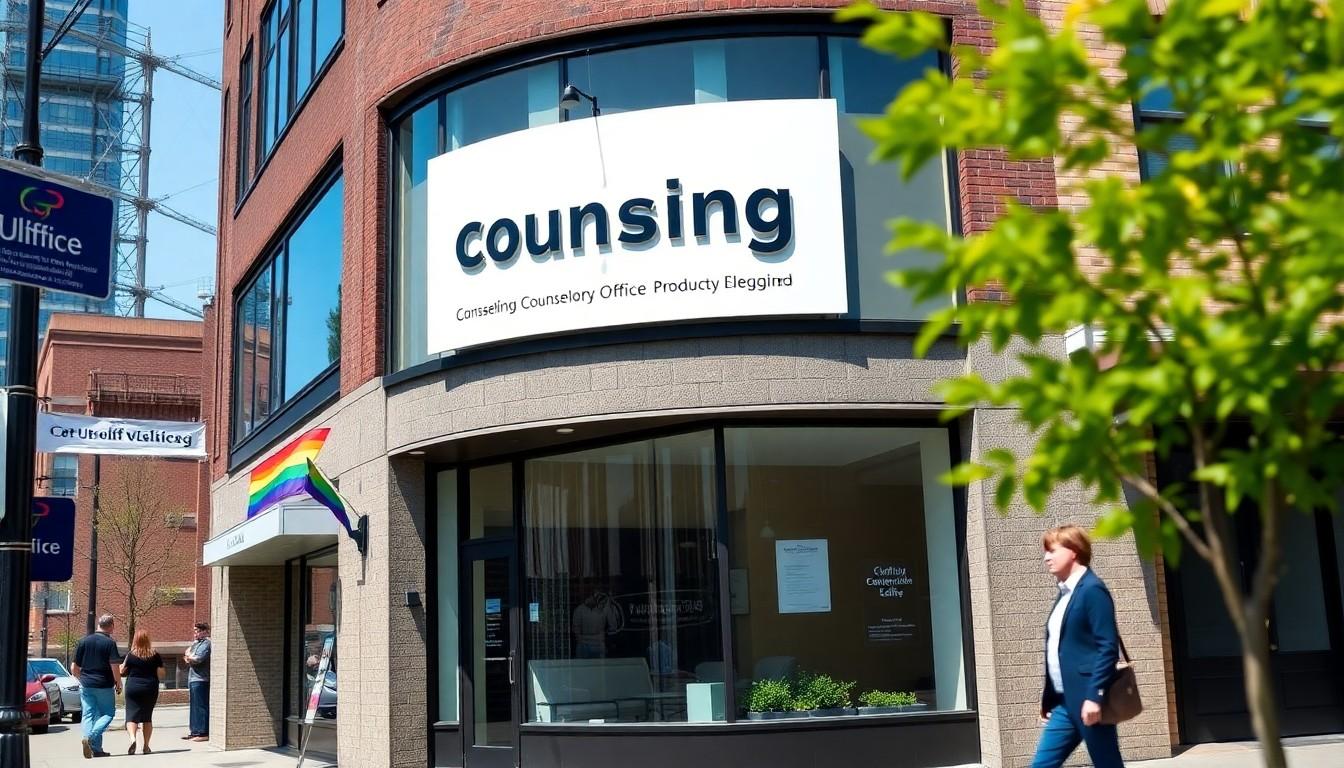
Men searching for a gay-affirming therapist in Chicago need more than a rainbow badge or a polished directory profile. The right clinician should understand queer men’s lives, have genuine experience with the issue you’re facing, and fit your budget, timetable and travel plans. Here’s how to make a more confident, practical choice.
The “best” therapist depends on what you need
There’s no universal best therapist for gay men in Chicago. A young man adjusting to a new city and struggling with dating may need something quite different from an older man processing grief, relationship strain or memories of the HIV/AIDS crisis.
The strongest match usually brings together four things: clinical expertise, cultural understanding, a comfortable therapeutic relationship and realistic logistics. A therapist can be warm and accepting, but if they don’t know how to treat panic attacks, addiction, trauma or obsessive thinking, the sessions may never gain traction.
Several Chicago practices present themselves as welcoming to queer and LGBTQ+ clients, including Harper LCSW, New Constellations Therapy, Forest Path Therapy, Lakeview Therapy, Luminations Psychotherapy and Positive Regard. Their profiles can help you build a shortlist, but an introductory conversation is still the best way to judge fit. [2], [3], [4], [5], [6], [7]
Look beyond “LGBTQ-friendly” wording
“LGBTQ-friendly” is a useful starting point, but it’s a fairly low bar. It suggests that a therapist won’t react negatively when you mention a boyfriend, husband or dating life. It doesn’t necessarily show that they understand coming out, minority stress, sexual health, chosen family or the particular pressures gay men may face.
A genuinely affirming therapist should be able to discuss relationships, sex, identity and family dynamics without making them feel exotic or uncomfortable. They shouldn’t assume you’re monogamous, non-monogamous, a nightlife regular, body-conscious, religious or estranged from your family. Queer men aren’t a single lifestyle category, despite what some glossy profiles seem to imply.
The websites of practices such as New Constellations Therapy, Lakeview Therapy and Positive Regard can offer clues about their language and areas of focus. Look for specific discussion of queer clients and real clinical concerns, rather than a lone rainbow graphic tucked into the footer. [3], [5], [7]
Match clinical expertise to the actual problem
Identity awareness matters, but it shouldn’t replace treatment expertise. Before comparing therapists, try to name what you want help with in plain language: “I’m drinking more than I want to,” “I keep panicking on public transport,” or “I can’t stop repeating the same relationship pattern.”
That detail helps you find the right kind of support. Panic may call for structured, evidence-based treatment. Trauma may require specialist training. Substance use, eating concerns, sexual difficulties and complicated grief each benefit from experience in that particular area.
A therapist who understands gay men but has little experience with your main concern may not be the strongest choice. Conversely, a straight therapist with solid queer cultural competence and excellent clinical skills could be a very good fit. Practices such as Harper LCSW, Forest Path Therapy and Luminations Psychotherapy provide useful starting points for comparing therapeutic approaches and specialisms. [2], [4], [6]
Should you choose a gay therapist?
Not necessarily, although shared identity can make a meaningful difference. Some men feel more at ease with a gay or queer therapist because they don’t have to explain every reference, relationship dynamic or cultural shorthand. That comfort can make it easier to speak honestly earlier.
But a gay therapist isn’t automatically the right therapist. They may work differently from you, belong to another generation or lack experience with the problem you’re bringing. Similarity can even create assumptions if a clinician presumes your story resembles theirs.
The more useful question is whether you feel understood and whether the therapist can help. If a shared identity is important to you, say so when you enquire. It’s a valid preference, not a demand you need to justify.
Chicago logistics can make or break therapy
A brilliant therapist you can’t reach consistently may be less useful than a very good one whose appointments fit your life. Consider the real journey, not the optimistic version you imagine while browsing websites. A long commute after work can become surprisingly exhausting, especially when weekly sessions are recommended at the start.
Location matters in other ways, too. Some men prefer a visible LGBTQ+ neighbourhood such as Lakeview or Northalsted. Others would rather keep therapy away from their social world. Telehealth can widen your options across Illinois, provided you have a private place to speak and are physically in the state when required.
Cost and scheduling deserve equal attention. Ask about fees, insurance, evening appointments, cancellation policies and whether the practice offers in-person, online or blended sessions. A manageable arrangement is more likely to become useful, steady therapy.
Questions to ask before booking
A short call can reveal more than a carefully written profile. Ask how much of the therapist’s work involves gay or queer men, whether they’ve treated your specific concern and how they would approach the first few months.
It’s also worth asking how they think sexuality might relate to your difficulties. A thoughtful therapist will treat it as something to explore, not an automatic explanation for everything. If sex, intimacy or relationship structure is part of your concern, notice whether they respond comfortably and specifically.
Finally, ask how you’ll review progress and what happens if the fit doesn’t feel right. Good therapists won’t promise a quick fix, but they should be able to explain their approach clearly and welcome honest feedback. If you repeatedly feel stereotyped, misunderstood or pushed towards a predetermined explanation, it’s reasonable to look elsewhere.
Choosing a therapist isn’t a test of loyalty. If the first match doesn’t work, changing direction is part of finding better care.
Start with the problem you want to solve, then choose the person who can understand both it and you.
Source Reference Map
Story idea inspired by: [1]
Sources by paragraph:
- Paragraph 1: [2], [5]
- Paragraph 2: [3], [4]
- Paragraph 3: [6], [7]
- Paragraph 4: [2], [3]
- Paragraph 5: [4], [5]
- Paragraph 6: [6], [7]
- Paragraph 7: [2], [4]
- Paragraph 8: [3], [5]
- Paragraph 9: [6], [7]
- Paragraph 10: [2], [3]
- Paragraph 11: [4], [5]
- Paragraph 12: [6], [7]
- Paragraph 13: [2], [4]
- Paragraph 14: [3], [5]
- Paragraph 15: [6], [7]
- Paragraph 16: [2], [3]
- Paragraph 17: [4], [5]