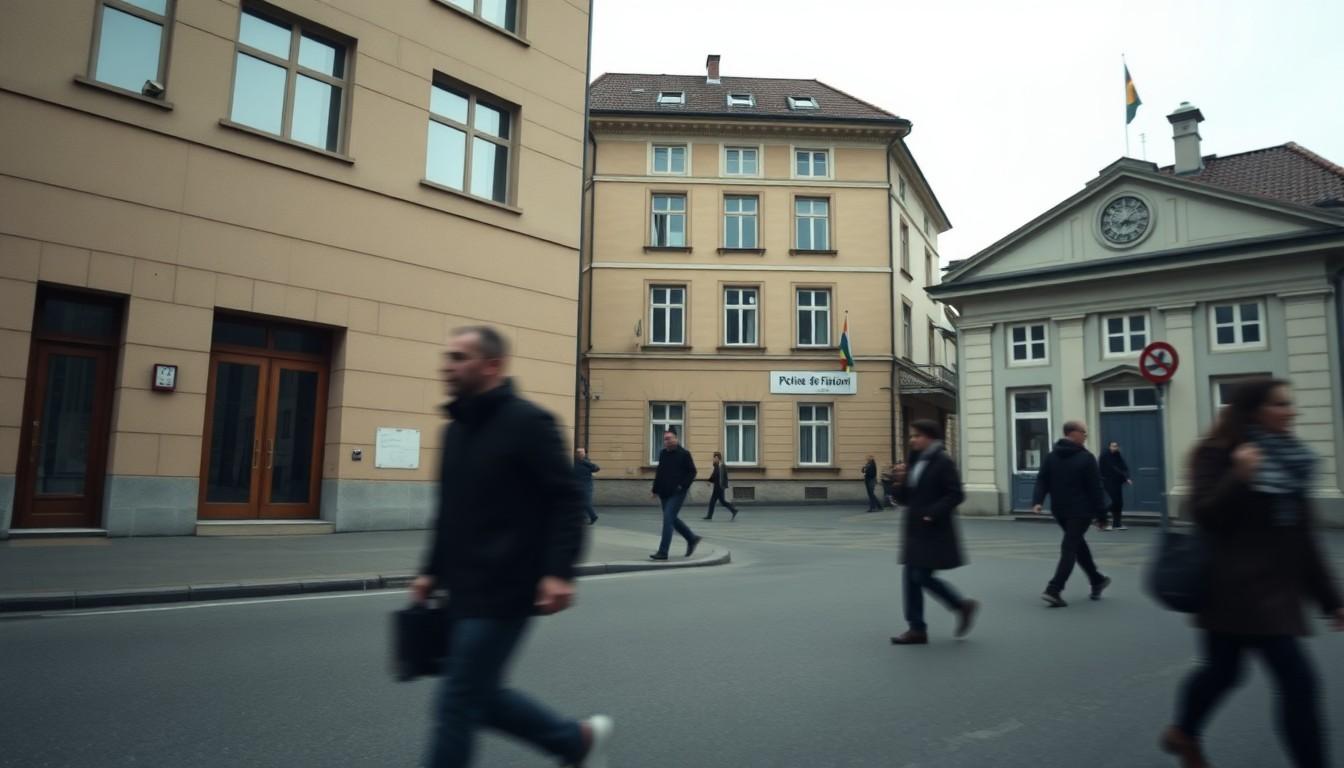
People across Europe are reporting more harassment, threats and physical attacks linked to sexual orientation or gender identity, with many incidents never reaching the police. New research and frontline experience show why better support, reporting routes and legal protection matter.
Essential takeaways
- Violence is often under-reported: Shame, fear and low trust mean many victims stay silent.
- Trans people face particular risks: Street harassment and physical attacks are recurring concerns, especially during transition.
- The problem is wider than assaults: Abuse includes threats, slurs, stalking, exclusion and discrimination in everyday services.
- Visibility can increase vulnerability: Drag performers and visibly queer people may become easy targets in public spaces.
- Support makes a difference: Specialist advice, trusted authorities and better training can help victims seek protection.
Everyday abuse rarely makes the headlines
A public attack may dominate the news, but much of the harm experienced by LGBTIQ+ people is quieter and more routine. It can be a shouted insult on the street, spit during a commute, intimidation outside a venue or a sudden punch that leaves more than a bruise.
The European Union Agency for Fundamental Rights has warned that harassment and violence remain widespread across Europe. Its findings also underline a frustrating reality: official figures capture only a fraction of what happens, because victims often decide that reporting will bring more stress than help.
That silence isn't evidence that the problem is small. It can be evidence that people have learnt to manage danger alone.
Why trans people are especially exposed
Trans people, particularly those whose appearance doesn't fit conventional expectations, can face intense scrutiny in public. Voices, facial hair, clothing and body shape may all become excuses for strangers to mock, challenge or target them.
Specialist organisations in Austria describe violence as a frequent subject in counselling sessions. European research points in the same direction, with trans respondents reporting high levels of harassment and a growing fear of physical attacks. The experience can be especially painful during transition, when confidence may already feel fragile.
A hostile comment doesn't exist in isolation, either. Repeated abuse can affect someone's willingness to leave home, attend work, use public transport or express themselves openly. That's a heavy price for simply being visible.
The reporting gap is a serious problem
Many victims don't report incidents because they're embarrassed, worried about retaliation or unsure whether authorities will take them seriously. Others dismiss verbal abuse as too minor to matter, even when a series of "small" incidents creates a constant sense of threat.
The FRA has reported that only a minority of people who experience physical or sexual violence contact an organisation or the police. Research published through European policy channels likewise highlights the scale of violence that remains missing from official records.
That gap matters for everyone. If an incident isn't recorded, it can disappear from public debate, policing priorities and legal reform. A victim may feel safer seeking advice first from a specialist counselling service, equality organisation or legal adviser, particularly when approaching the police feels daunting.
Online hostility can spill into public life
The atmosphere around queer rights has become more combative, with social media giving hostile campaigns a fast and highly visible platform. Abuse that once stayed within a small group can now be repeated, shared and amplified within minutes.
Austria's specialist information portal Gewaltinfo describes violence against LGBTQIA+ people as a form of discrimination that can be physical, psychological, sexual or structural. That broader definition is useful because danger isn't limited to a single confrontation. It can also appear in exclusion from housing, services, education or public spaces.
European institutions have increasingly linked rising harassment with polarised political debate and attacks on equality measures. The result is an unpleasant feedback loop: online hostility normalises abuse, while visible attacks make people less willing to be themselves in public.
Better protection needs more than sympathy
Support services can offer a crucial first step, from listening without judgement to explaining reporting options and arranging legal help. Authorities also need practical training so officers understand the impact of anti-LGBTIQ+ abuse and respond consistently, rather than treating it as an inconvenience.
Legal protection remains uneven. The European Economic and Social Committee has called for stronger action against discrimination and hate, while European agencies continue to point to gaps in protection and enforcement. Clearer rules around bias-motivated offences could help ensure that an attack is treated seriously even when it doesn't fit a narrow definition of physical injury.
Education matters, too. Young people need opportunities to meet different kinds of families and identities without those conversations being turned into political theatre. Ordinary familiarity can be surprisingly powerful: it's harder to demonise people who are allowed to be seen as neighbours, classmates and colleagues.
What to do after an incident
If you've experienced abuse or an attack, try to get somewhere safe first. Contact someone you trust, write down what happened while the details are fresh, save messages or images, and note witnesses, location and time.
Medical care may be important even when injuries appear minor. You can also seek confidential advice from a specialist LGBTIQ+ organisation before deciding whether or how to report. If you're in immediate danger, call the emergency services.
For friends and witnesses, the most useful response is often simple: listen, believe the person and ask what support they want. Don't pressure them to report before they're ready, but don't minimise what happened either.
It's a small act of solidarity, but it can help someone feel less alone.
Explore trusted support and reporting options if you or someone you know has been targeted.
Source Reference Map
Story idea inspired by: [1]
Sources by paragraph:
- Paragraph 1: [2], [3]
- Paragraph 2: [4], [6]
- Paragraph 3: [2], [3]
- Paragraph 4: [4], [6]
- Paragraph 5: [2], [3]
- Paragraph 6: [4], [5]
- Paragraph 7: [2], [5]
- Paragraph 8: [3], [6]
- Paragraph 9: [4], [5]
- Paragraph 10: [2], [3]
- Paragraph 11: [4], [6]
- Paragraph 12: [5], [6]
- Paragraph 13: [2], [4]
- Paragraph 14: [3], [5]
- Paragraph 15: [2], [4]
- Paragraph 16: [4], [6]
- Paragraph 17: [2], [3]
- Paragraph 18: [4], [5]
- Paragraph 19: [2], [6]
- Paragraph 20: [3], [4]
- Paragraph 21: [2], [5]
- Paragraph 22: [4], [6]
- Paragraph 23: [2], [3]
- Paragraph 24: [4], [5]
- Paragraph 25: [2], [6]