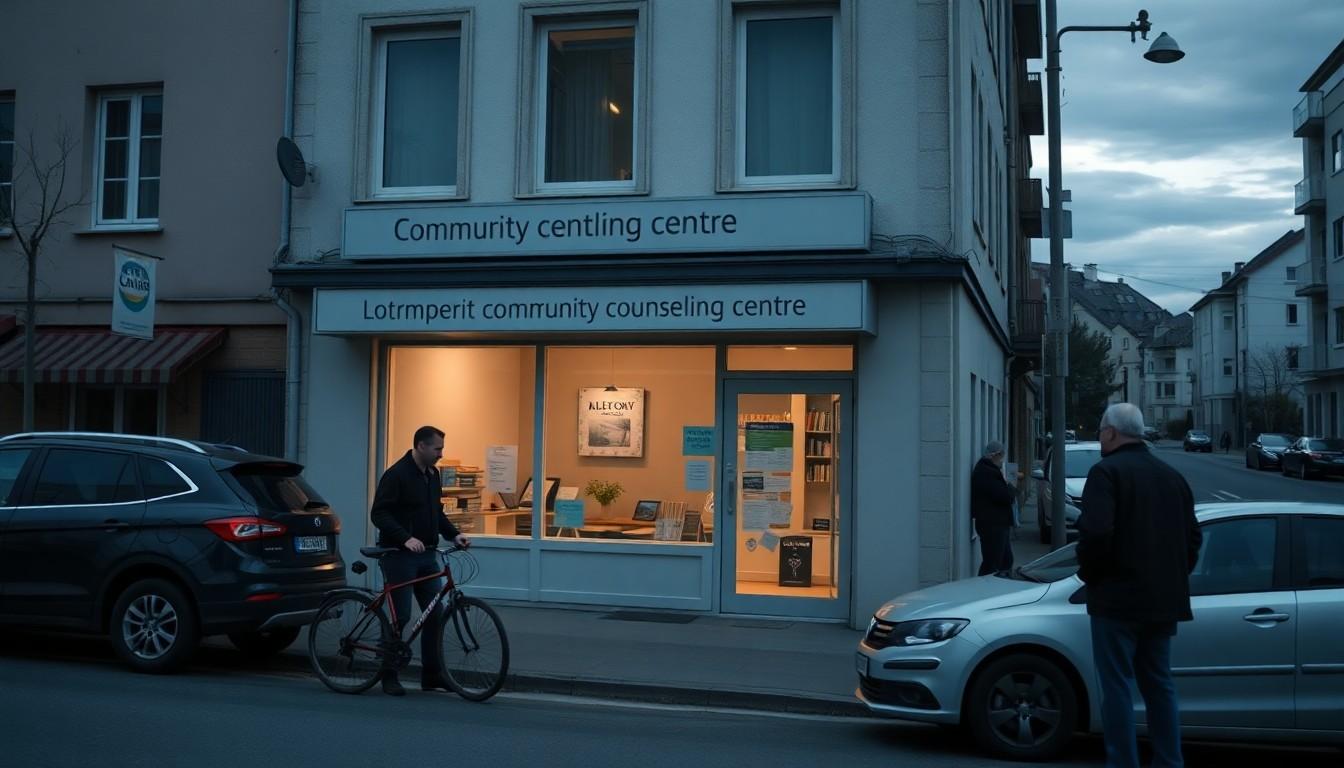
Trans people seeking support in Austria are describing a worrying rise in verbal, psychological and physical abuse. Counselling workers say fear of transphobic violence is becoming more prominent, affecting teenagers and adults alike, while community advocates warn that prejudice can be especially damaging for people still struggling to accept themselves.
Essential Takeaways
- Growing fear: Counselling groups are hearing more reports of anxiety about transphobic and anti-trans violence.
- Wide-ranging abuse: People describe psychological, verbal and physical attacks.
- Young people affected: Teenagers and adults are both seeking help with hostility and fear.
- Serious personal impact: Some trans girls and women have already experienced violence.
- Support matters: Specialist counselling can help people challenge shame and rebuild confidence.
Fear is becoming part of everyday life
The most striking warning from Austria's counselling services is not simply that violence exists, but that more trans people are expecting it. That anxiety can follow someone into ordinary moments, from using public transport to walking home, leaving a constant sense of watchfulness.
According to Krone, Courage counselling services work with roughly 1,700 to 1,800 clients each year, and around half are trans. Staff say group discussions increasingly focus on fear of psychological, verbal and physical attacks.
That shift matters because fear itself can restrict a person's life. Even when no incident takes place, anticipating hostility may affect where someone goes, whom they trust and how openly they present themselves.
Abuse affects teenagers and adults alike
The reports emerging from counselling sessions suggest that this is not confined to one age group. Young people and adults are both describing experiences of intimidation and abuse, underlining how early prejudice can become part of a person's social world.
For teenagers, the pressure can be particularly difficult to escape. School, family life and online spaces overlap, so a hostile comment or confrontation may continue long after the original incident. Adults, meanwhile, can face problems at work, in public or while dealing with services.
Courage's experience also points to a wider need for safe, specialist support. General reassurance has its place, but people dealing with identity-based violence often need advice that understands both the practical danger and the emotional weight.
Why acceptance still lags behind
One community advocate from Graz told Krone that public acceptance of gay and lesbian people had progressed over the past two decades, while trans people were still seen by many as unfamiliar. That distinction helps explain why some trans people continue to encounter intense hostility.
Prejudice rarely stays in neat categories, either. The advocate described transphobia as carrying over some of the hostility historically directed at gay and lesbian people. It's an uncomfortable reminder that social progress isn't evenly shared.
The result can be especially painful for people who are still questioning or learning to accept themselves. When abuse is repeated often enough, victims may start wondering whether the attacker had a point. That is precisely the kind of self-blame support workers try to interrupt.
The numbers behind the concern
Courage's annual caseload gives the issue a substantial scale, even though counselling figures cannot represent every person affected. Many people never report abuse, avoid formal services or simply try to cope alone.
Krone reported that around one in three trans girls and women had experienced violence, according to the counselling perspective presented in the article. Whether the harm is physical, verbal or psychological, its effects can linger well beyond the original encounter.
For anyone facing immediate danger, contacting emergency services should come first. In less urgent situations, specialist LGBTQ+ organisations, trusted friends, local authorities and healthcare professionals can offer practical support and help create a safety plan.
Support can push back against shame
Counselling isn't a substitute for safer streets, stronger protections or better public understanding. But it can give people a place where their experience is believed, their identity isn't debated and responsibility for the abuse is put where it belongs: with the perpetrator.
That message is important because shame often grows in silence. A calm, informed response from a counsellor, friend or colleague can make a real difference, particularly for someone who has begun to doubt their own worth.
The outlook will depend on more than awareness campaigns. Communities also need visible support, serious responses to harassment and a willingness to treat transphobic abuse as a social problem rather than an individual burden.
A safer future starts with listening to trans people and refusing to normalise the fear they describe.
Source Reference Map
Story idea inspired by: [1]
Sources by paragraph:
- Paragraph 1: [2]
- Paragraph 2: [3]
- Paragraph 3: [4]
- Paragraph 4: [5]
- Paragraph 5: [6]
- Paragraph 6: [7]
- Paragraph 7: [2]
- Paragraph 8: [3]
- Paragraph 9: [4]
- Paragraph 10: [5]
- Paragraph 11: [6]
- Paragraph 12: [7]
- Paragraph 13: [2]
- Paragraph 14: [3]
- Paragraph 15: [4]
- Paragraph 16: [5]
- Paragraph 17: [6]
- Paragraph 18: [7]
- Paragraph 19: [2]
- Paragraph 20: [3]
- Paragraph 21: [4]
- Paragraph 22: [5]
- Paragraph 23: [6]
- Paragraph 24: [7]
- Paragraph 25: [2]
- Paragraph 26: [3]
- Paragraph 27: [4]
- Paragraph 28: [5]