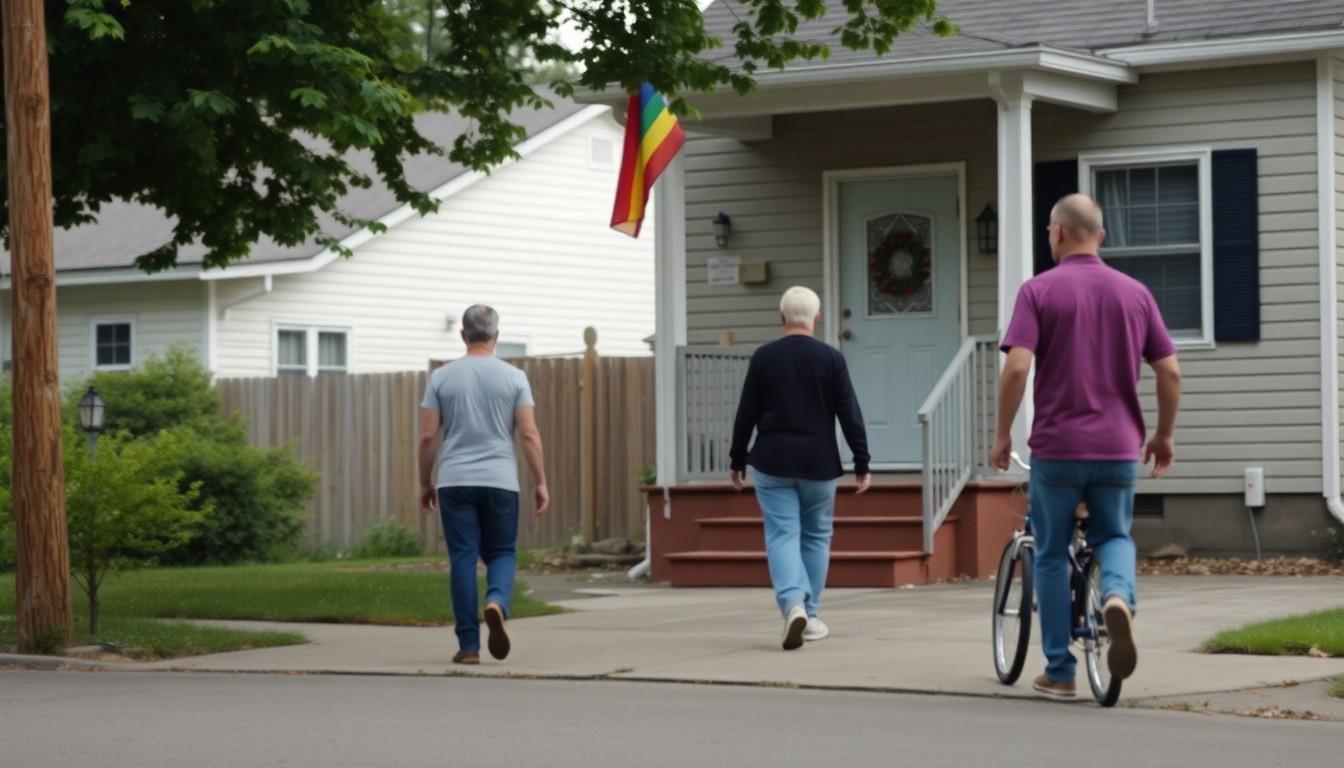
Viewers remember Sean Maher as Dr Simon Tam in Firefly, but his most personal Hollywood moment came in 2011, when the actor publicly came out as gay. His story exposed an industry that treated a girlfriend as career protection, while celebrating the partner and family he had been told to keep out of sight.
Essential Takeaways
- A public turning point: Maher came out in September 2011 while discussing his role in The Playboy Club.
- Hollywood pressure: He said a manager advised him to get a girlfriend to avoid assumptions about his sexuality.
- A family kept private: Maher spoke about his partner, Paul, and their two children.
- A memorable phrase: He called the interview “my coming out ball”.
- A lasting message: His story challenged the idea that an actor’s private life should be managed for public appeal.
Sean Maher was known for Firefly before sharing something more personal
For many fans, Sean Maher remains closely linked with Dr Simon Tam, the thoughtful medic he played in Firefly and the film Serenity. Yet in September 2011, attention shifted from the science-fiction screen to Maher’s real life, when he publicly came out as gay while promoting The Playboy Club. LGBTQ Nation reported that the announcement quickly became a significant moment for fans and the wider entertainment press. [2]
The timing mattered. Maher was playing a closeted gay man, but his own interview went beyond television plotlines. As E! Online reported, he spoke candidly about the fear and relief involved in finally telling the public the truth. It was a personal disclosure, but also a pointed look at how Hollywood had long treated sexuality as part of an actor’s commercial packaging. [6]
The old advice was simple, blunt and deeply revealing
Maher said that, early in his career, a manager advised him to find a girlfriend so people wouldn't assume he was gay. He also recalled being told that presenting as bisexual might be easier. Metro Weekly reported that the advice reflected a wider industry habit of managing appearances rather than accepting actors as whole people. [5]
Publicists later encouraged him to keep a girlfriend away from the spotlight, helping preserve what they believed was his appeal to female viewers. PinkNews described the episode as an example of the pressure placed on performers to appear conventionally heterosexual, even when that image had little connection with their private lives. [4]
There's something especially stark about the advice because it sounds so ordinary. No dramatic ultimatum was required; a few quiet career suggestions were enough to make secrecy feel like the sensible professional choice.
“My coming out ball” gave the moment its own sparkle
Maher didn't frame his announcement as a grim confession. Instead, he gave the interview a line that was warm, theatrical and unmistakably his: “This is my coming out ball.” Komitid reported the phrase in its coverage of the announcement, capturing the celebratory note beneath the nerves. [3]
That wording helped turn a potentially cautious media appearance into something more memorable. It suggested that coming out wasn't simply about removing a disguise; it was also about stepping into a life that had been waiting in plain sight.
The phrase still lands because it carries both vulnerability and humour. Maher knew the moment was frightening, but he also understood that it deserved a little glitter.
His partner and children made secrecy harder to accept
Maher also spoke about his partner, Paul, and their two adopted children. According to E! Online, becoming a father sharpened his discomfort with keeping important parts of his life separate from his career. [6]
The issue was no longer only about how an actor might be marketed. It was about whether his family could be acknowledged openly or had to remain carefully hidden behind a professionally approved image. Metro Weekly's reporting highlighted that tension, particularly Maher's wish not to treat his home life as something shameful or unsuitable for public view. [7]
That detail gives the story its emotional centre. A carefully maintained public persona can sound manageable when it concerns one person, but much less so when it erases the people they love.
Why Sean Maher’s coming-out story still resonates
Stories about LGBTQ+ performers have changed considerably since 2011, with audiences increasingly sceptical of publicity strategies built around fake romance and rigid ideas of desirability. Still, the pressure Maher described hasn't vanished everywhere. The entertainment business continues to debate who gets to be open, marketable and fully visible at the same time.
Maher went on to marry Paul, and they continued raising their children together. PinkNews and LGBTQ Nation both treated his announcement as more than a celebrity revelation: it was a rejection of the idea that heterosexuality should be a condition of professional success. [2], [4]
Fifteen years on, the story feels less like an old Hollywood anecdote than a reminder of how much courage can be required to make an ordinary family life visible. Maher was told to put a girlfriend in the picture. Instead, he chose the truth.
That choice still deserves its own celebration.
Closing Line
Sean Maher’s coming-out ball remains a bright, brave refusal to hide the life he built.
Source Reference Map
Story idea inspired by: [1]
Sources by paragraph: