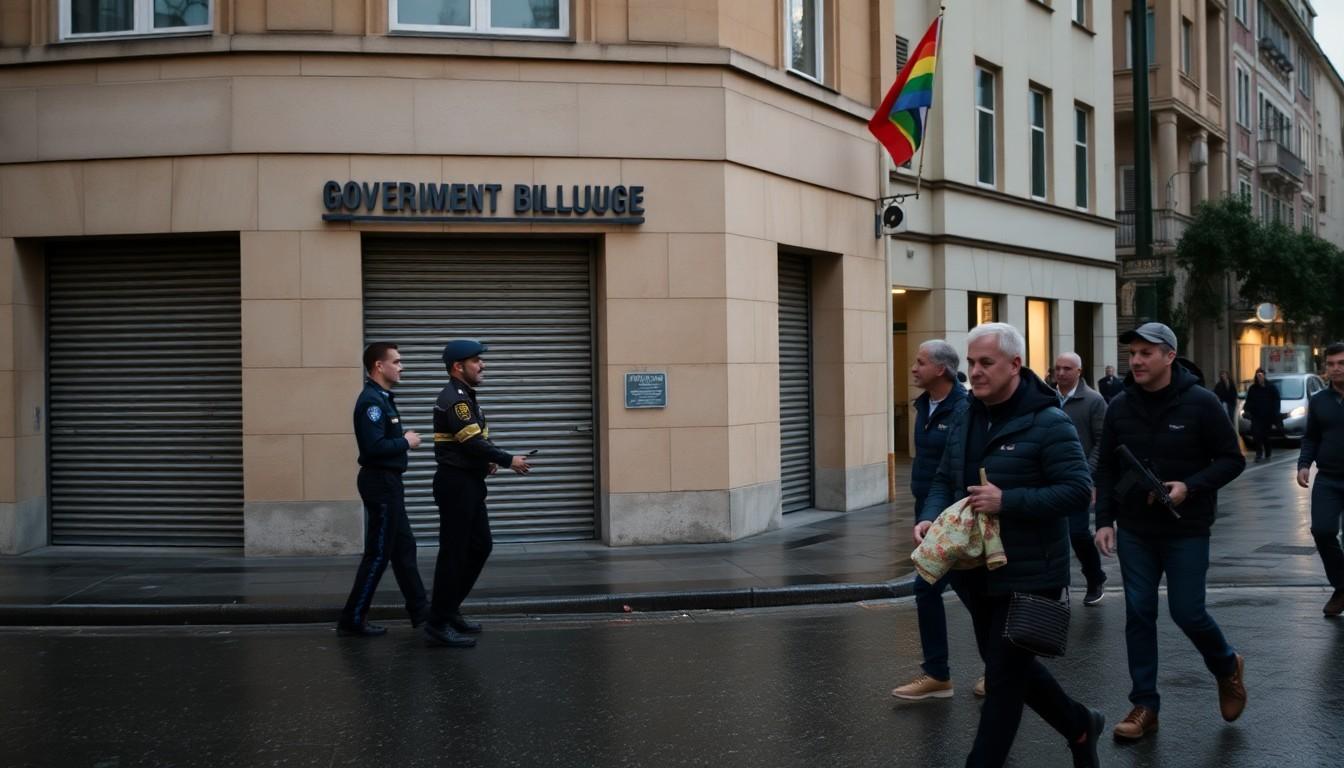
Authorities in Turkey have reportedly targeted LGBT groups and HIV organisations in a sweeping operation, with arrests prompting fresh concern about Pride safety and civic freedoms. The action comes as research and recent incidents point to a wider rise in anti-LGBTQ hostility, leaving campaigners and event organisers facing a tense summer.
Essential Takeaways
- Multiple groups targeted: Turkish authorities reportedly acted against LGBT organisations and HIV-focused groups.
- Arrests reported: Sixteen people were detained following the operation, according to Norwegian media reports.
- Pride remains contested: Activists in several countries are facing disruption, intimidation and organised opposition.
- Threat levels vary: Norway's security service has previously said it knew of no specific attack plans against Pride events.
- Research shows a pattern: Academic work links online hostility with wider mobilisation against LGBTQ+ communities.
Turkey's operation puts civic space under pressure
The reported Turkish crackdown has landed with a particularly grim thud. LGBT groups and HIV organisations provide practical support, health information and community connections, yet authorities have treated them as part of a security operation, according to ABC Nyheter.
The reported detention of 16 people has intensified fears over how far the government may go to restrict LGBTQ+ organising. Aftenposten described the arrests as following an operation against LGBT groups in Turkey, highlighting the legal and political pressure facing activists.
For organisations already working in a difficult climate, the impact goes beyond the immediate arrests. Offices may close, volunteers may step back and people seeking health advice can be left wondering whether even a routine appointment is safe.
Why HIV organisations are part of the story
The inclusion of HIV organisations is significant because these groups often provide services that public systems don't always deliver with the same trust or accessibility. Testing advice, prevention information and peer support can be especially important for people who fear stigma.
Targeting such organisations can therefore create a chilling effect far beyond the LGBT rights movement. ABC Nyheter's report underlines how a policing action can affect public health, while the arrests reported by Aftenposten show the personal consequences for those involved.
It also makes the language of "security" worth examining closely. When health and community groups are treated as threats, the boundary between public safety and political control starts to look uncomfortably blurred.
Pride disruption is becoming a wider pattern
Turkey's reported action arrives amid a broader international argument over who gets to occupy public space during Pride. LGBTQ Nation recently reported on an attempted disruption of a Pride event by a neo-Nazi group, though the effort did not unfold as its organisers intended.
That episode is a useful reminder that not every act of intimidation succeeds. Public support, event planning and a determined crowd can all change the atmosphere. Still, disruption itself can force organisers to spend time and money on security rather than celebration.
GLAAD has also documented a rise in anti-LGBTQ hate and extremism around Pride. The organisation's findings suggest that the seasonal increase in visibility can attract both solidarity and hostility, creating a difficult balance for communities that simply want to gather openly.
What organisers and attendees can do
Safety planning doesn't have to make Pride feel joyless. Organisers can keep entry and exit routes clear, brief stewards on how to respond to harassment, maintain contact with emergency services and offer quiet areas for anyone who feels overwhelmed.
People attending events can take similarly simple steps. Check official updates, travel with friends where possible, keep a charged phone handy and avoid sharing sensitive personal details publicly. If an event changes its route or schedule, that's usually a sign to follow organisers' advice rather than improvise.
Norway's police security service has previously said it was unaware of concrete attack plans against Pride events, as reported by VG. That distinction matters: a lack of known specific plans isn't the same as a guarantee that nothing will happen.
Online hostility can become real-world pressure
Academic research has examined how online networks can help spread hostility and coordinate activity against marginalised groups. The concern isn't that every angry post leads to violence, but that repeated messaging can normalise intimidation and make organised action easier.
The recent Pride disruption reported by LGBTQ Nation illustrates that online and offline campaigning can overlap. Meanwhile, GLAAD's tracking gives the broader climate a more measurable shape, showing why activists remain alert even when a particular event passes peacefully.
For LGBTQ+ communities, the outlook is therefore mixed. Visibility still brings connection and political strength, but it can also draw sharper attacks. As one human truth remains clear, a safe community space isn't a luxury; for many people, it's where they first feel able to breathe.
Pride safety depends on preparation, solidarity and the freedom to organise without fear.
Source Reference Map
Story idea inspired by: [1]
Sources by paragraph: