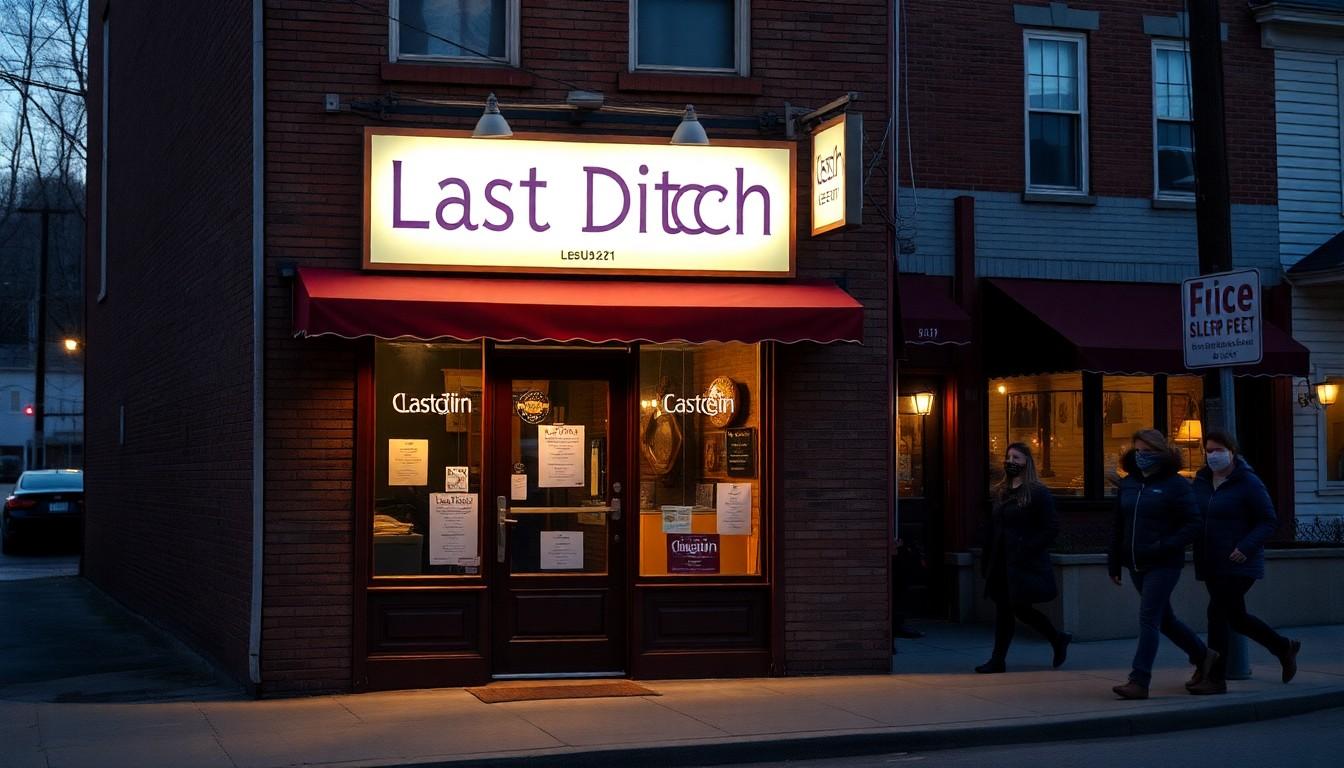
Shoppers, performers and queer communities are watching a small western Massachusetts lesbian bar after its mask-optional Saturday policy sparked national debate. Last Ditch says the backlash has brought harassment alongside unexpected support, highlighting the difficult balance between public-health needs, accessibility and the rising cost of keeping LGBTQ+ spaces open.
Essential Takeaways
- A small policy change went viral: Last Ditch planned one mask-optional night each week to attract more customers.
- The backlash became personal: The bar said performer Soe Noire faced threats and harassment after being quoted in coverage.
- The business is under pressure: Its owner has reportedly taken on multiple jobs while dealing with rent, repairs and debt.
- Support is still arriving: Donations have reportedly come from far beyond Massachusetts, including London.
- The wider issue is familiar: LGBTQ+ venues continue to face steep financial pressure, even when demand for safe social spaces remains strong.
One Saturday night became a national argument
The controversy began with a fairly modest announcement: Last Ditch would relax its mask requirement on Saturday nights. For a small venue in Greenfield, Massachusetts, the aim was simple enough - bring in more customers without abandoning its broader approach to safer indoor gatherings.
Then the story travelled far beyond the bar's regular crowd. Coverage by The Boston Globe pushed the dispute into the national spotlight, where questions about masking, disability access and queer nightlife quickly became tangled together. As The Pink Times reported, the policy shift also prompted boycott threats and intense online criticism.
That kind of attention can feel wildly out of proportion to the original decision. A single evening's rule became a referendum on what an inclusive bar should be, with everyone from local customers to distant commentators weighing in.
Last Ditch says the fallout harmed a performer
The bar's first major public response focused less on its own finances than on the treatment of Soe Noire, a Black, gender-expansive lesbian performer and collaborator. Last Ditch said Noire had been subjected to threats, slurs and police reports following the article's publication.
According to Them, the bar argued that the reporting had blurred together different comments and wrongly exposed Noire to anger over statements he hadn't made. The business urged followers to stop harassing him and said he should be able to challenge the organisation's decisions without becoming a target.
Comments on the bar's Instagram post were later disabled, while Google Reviews were reportedly closed. That may be understandable as a basic safety measure, but it also leaves a small venue with fewer public ways to explain itself while the story continues to circulate.
Why the money matters as much as the masks
Behind the online argument is a far less glamorous reality: Last Ditch is trying to survive. Reporting cited by The New Boston Post describes an owner working several jobs, managing debt and dealing with the practical costs of keeping a venue open.
The fundraising appeal is intended to support rent, staffing, repairs, maintenance and a commercial air purifier. The campaign has reportedly attracted contributions from well beyond Massachusetts, suggesting that the bar's significance reaches further than its modest size might imply.
Local business owners have defended the decision as a survival measure, according to The Pink Times. That doesn't settle the accessibility debate, but it does add necessary context. A venue can't serve a community if it can't pay its bills, replace broken equipment or keep the lights on.
The real challenge is balancing access and survival
For immunocompromised customers and people living with long-term health risks, a mask requirement can be the difference between joining a night out and staying home. Removing it, even for one evening, may therefore feel like losing one of the few available social spaces.
At the same time, venues need enough trade to remain viable. The dispute reflects a wider tension across queer nightlife: customers want spaces that are welcoming and safer, while owners are navigating rent, wages, energy costs and limited capacity. Know Your Meme's account of the controversy shows just how quickly that tension can become internet spectacle.
A more useful conversation would probably involve clear timetables, ventilation information, visible expectations and regular feedback from disabled and immunocompromised patrons. It won't please everyone, but it could make the choice feel less abrupt and more accountable.
National attention could help, but it can also overwhelm
Some people in Greenfield hope the publicity will send new customers through Last Ditch's doors. Others worry that a small business may struggle under the pressure of hostile messages, sudden scrutiny and expectations imported from across the country.
Urania Institute reported on the backlash as part of a broader discussion about the treatment of queer spaces and community disputes online. That matters because viral attention rarely arrives neatly divided into constructive criticism and useful support. It can bring donations and new visitors, but it can also turn workers and volunteers into unwilling public figures.
Last Ditch's predicament is a reminder that queer venues aren't abstract symbols. They're staffed by real people, often operating with thin margins and plenty of unpaid labour. The hard part now is ensuring that debate about public health doesn't erase the humans trying to keep the doors open.
A safer queer nightlife scene needs both access and viable venues.
Source Reference Map
Story idea inspired by: [1]
Sources by paragraph: