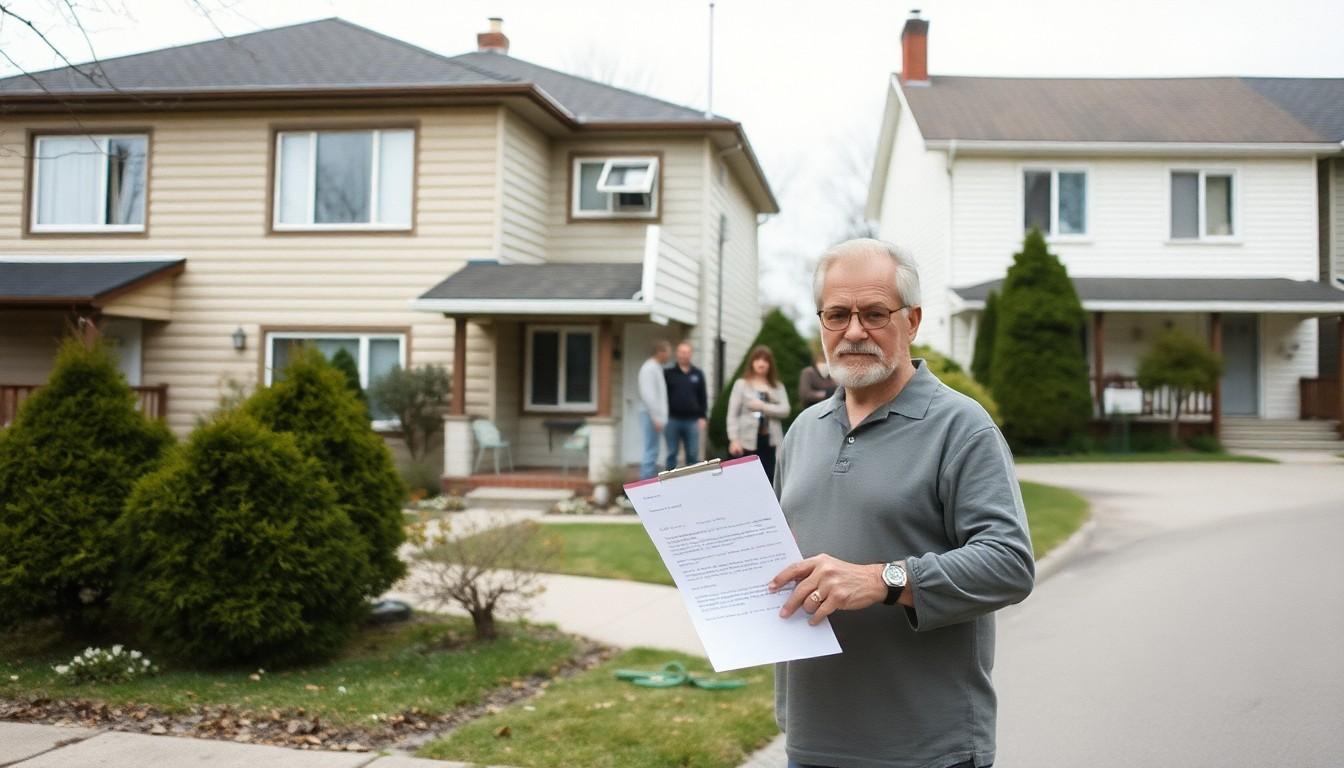
Parents are increasingly weighing up more than convenience before agreeing to a playdate, especially when family values, trust and emotional safety are involved. A polite, firm response can protect your child without turning a next-door relationship into a neighbourhood feud.
Essential Takeaways
- You don't need to overexplain: A simple family rule or scheduling reason can be enough.
- Trust matters: Parents commonly consider supervision, household standards and how well they know another family.
- Keep the tone warm: Thank the other parent and stay friendly in everyday encounters.
- Avoid false promises: Don't suggest “maybe soon” if the answer is likely to remain no.
- Offer a safe alternative: Outdoor play, a supervised visit or time at a neutral location may feel more comfortable.
A playdate invitation can raise bigger questions
A request to host a child may sound ordinary, but it can quickly become complicated when neighbours hold sharply different views. In the advice dilemma published by the Toronto Sun, one family felt uneasy about sending a child into a home whose religious beliefs appeared hostile to LGBTQ+ people.
That concern isn't simply about being neighbourly. Parents are deciding who gets access to their children, what conversations might happen behind closed doors and whether a child will feel accepted. As guidance from eNannySource notes, families can decline an invitation without criticising the other household.
The key is to focus on your own boundary rather than passing judgement on theirs. “We don't arrange indoor playdates with families we don't know well” is calmer and harder to argue with than a speech about someone else's beliefs.
The kindest answer is often short
Parents don't need a courtroom-ready explanation. Good Housekeeping's playdate etiquette guidance stresses the value of clear communication, sensible planning and respect between adults, all of which help keep a refusal from sounding personal.
Try a line such as: “Thanks for asking, but we're not doing home playdates at the moment.” If you'd like to leave the door open to something more limited, add: “The children can play outside while we're nearby.”
That approach is particularly useful with neighbours. You can remain cordial over the garden fence, at the school gate or while collecting the post, without creating an expectation that your homes or family lives must become intertwined.
Why parents are saying no more often
Declining a playdate isn't necessarily a sign of suspicion or overprotectiveness. A national poll reported by Newswise found that many parents have turned down invitations, reflecting how carefully families now think about supervision, online exposure, household rules and personal comfort.
Some refusals are practical. The child may be overtired, the family may be busy, or the parents may not yet know one another well enough. Others are more personal, including concerns about language, discipline, identity or whether a child will be treated respectfully.
HowToSayGuide recommends using direct but non-accusatory wording. That matters because vague excuses can create a cycle of repeated invitations, while a blunt judgement can leave a lasting chill. A warm, definite sentence usually does both jobs better.
Set a boundary without creating a feud
The most effective response separates the relationship from the request. You can be friendly neighbours without becoming close friends, sharing meals or allowing unsupervised visits.
For example: “They're having fun playing outside, but we're keeping indoor visits within our usual circle.” Another option is: “We're not comfortable with drop-off playdates, but we're happy for them to play here while one of us is present.”
Berkeley Parents Network discussions about unreliable friendships and social arrangements also highlight the value of making expectations explicit. If the other parent presses for a reason, repeat the boundary rather than adding increasingly personal details: “It's just our family policy, and we're sticking with it.”
That may feel slightly awkward in the moment, but awkwardness is usually cheaper than agreeing to something that leaves you worried afterwards.
When a neutral alternative feels right
A refusal doesn't have to end the children's friendship. A brief game on the pavement, a trip to a local park or a supervised barbecue can offer a middle ground, provided everyone feels comfortable.
Dear Abby's published response suggested inviting the neighbours to a casual gathering as a way to understand the relationship better. That may suit some families, but it isn't an obligation. If the concern involves fundamental disagreement about a child's identity or wellbeing, parents are entitled to keep contact limited.
Most importantly, don't promise a future invitation just to soften today's answer. A clear “not at this time” is kinder than a string of excuses that keeps the other family waiting and asking.
A child can learn that kindness and boundaries belong together. You can wave hello, share a fence line and still decide who enters your home.
Choose the wording that protects your child while keeping the neighbourhood calm.
Source Reference Map
Story idea inspired by: [1]
Sources by paragraph:
- Paragraph 1: [2], [5]
- Paragraph 2: [3], [4]
- Paragraph 3: [2], [6]
- Paragraph 4: [5], [7]
- Paragraph 5: [3], [6]
- Paragraph 6: [2], [7]
- Paragraph 7: [4], [5]
- Paragraph 8: [6], [7]
- Paragraph 9: [2], [4]
- Paragraph 10: [3], [5]
- Paragraph 11: [4], [6]
- Paragraph 12: [2], [7]
- Paragraph 13: [3], [6]
- Paragraph 14: [4], [5]
- Paragraph 15: [2], [7]
- Paragraph 16: [3], [6]
- Paragraph 17: [4], [5]