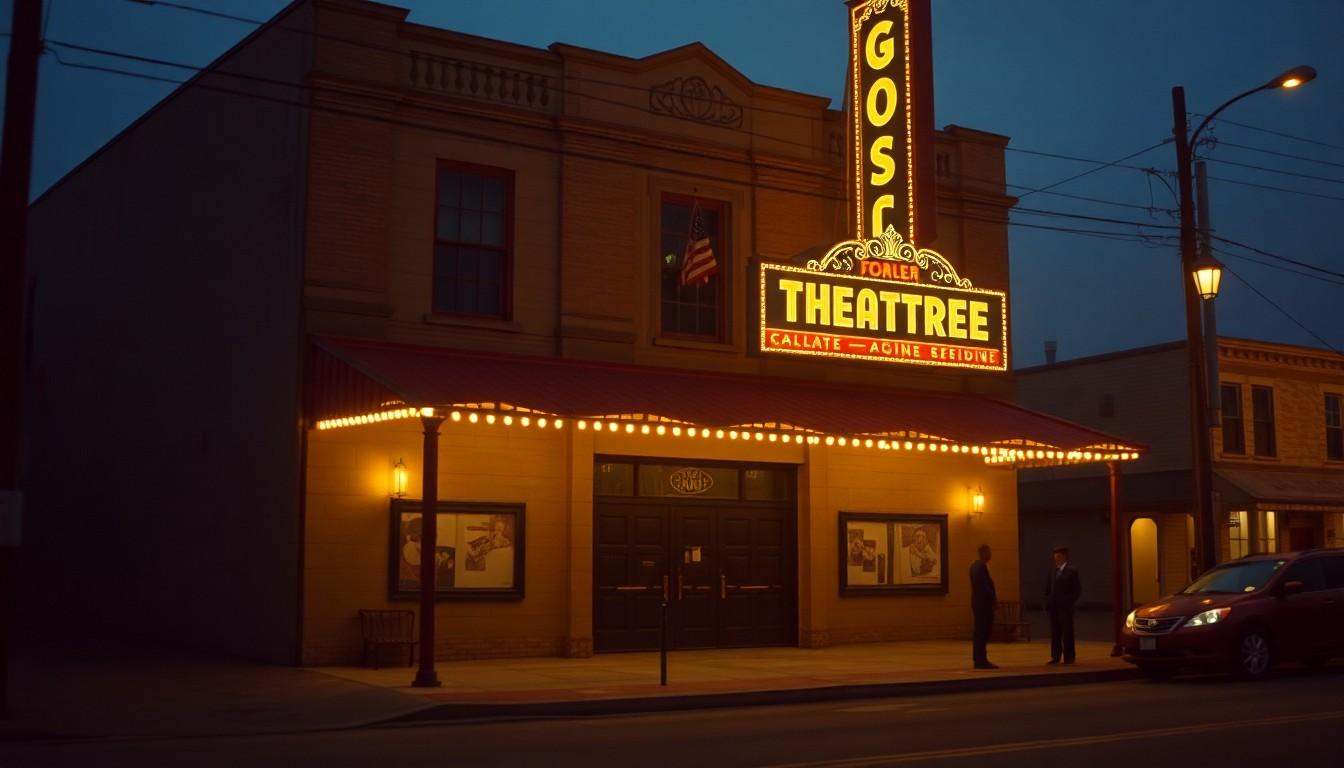
Film fans are revisiting the humid, emotionally charged world of Southern queer storytelling, where family secrets, frustrated desire and theatrical tension simmer beneath the surface. From classic Tennessee Williams adaptations to overlooked screen dramas, this tradition still offers a vivid way to explore sexuality, repression and power in American cinema.
Essential Takeaways
- Southern heat becomes emotional pressure: Sweat, silence and simmering conflict often work together.
- Tennessee Williams remains central: His plays helped define the cinematic language of desire and repression.
- Queer subtext matters: Characters and relationships are frequently shaped by coded longing and social constraint.
- The classics still divide opinion: Performances can be magnetic, even when adaptations soften difficult material.
- Look beyond the obvious titles: Lesser-known films can reveal how enduring these themes really are.
Why the American South makes such a potent film setting
Few cinematic landscapes feel as physically oppressive as the Deep South. The air seems heavy, rooms feel too close, and every polite conversation carries the possibility of a confession or a fight. It’s an ideal setting for stories about people trying, and often failing, to contain themselves.
That combination of heat and restraint has long been associated with Southern literature and theatre. Writers such as Tennessee Williams, August Wilson and Lillian Hellman created worlds filled with wounded families, fragile outsiders and lovers locked into emotional stalemates. Their characters don't simply keep secrets, they live inside them.
The result is a style of drama that feels intimate but dangerous. A glance across a crowded room can carry more weight than a speech, while a family dinner may become a full-scale emotional ambush.
Tennessee Williams turned repression into high drama
Williams' influence can be felt throughout classic American cinema, particularly in screen versions of A Streetcar Named Desire and Cat on a Hot Tin Roof. Both films place desire alongside shame, status and family expectation, creating pressure that never quite disappears.
The 1951 film version of A Streetcar Named Desire, directed by Elia Kazan, became one of the defining adaptations of post-war American theatre. Its intense performances and claustrophobic atmosphere capture a world where sexuality, violence and vulnerability are constantly rubbing against one another.
Cat on a Hot Tin Roof, released in 1958 and directed by Richard Brooks, takes a different route. Its family crisis is polished and outwardly respectable, but the story's emotional centre remains haunted by male intimacy, loss and an inability to speak plainly. That tension is precisely what keeps the film fascinating.
The classics are powerful, but they're not uncomplicated
Part of the appeal of these films is their theatrical boldness. Characters enter a room already carrying years of resentment, and conversations quickly turn into emotional combat. The performances can be grand, raw and deliciously uncomfortable, particularly when silence says more than dialogue.
But the screen adaptations also reflect the censorship and commercial pressures of their time. The Independent's discussion of A Streetcar Named Desire highlights how the film's original impact was shaped by changes made for the screen, including the treatment of sexuality and disturbing material.
That softening can be frustrating for modern viewers. The drama remains, but some of the sharper implications are blurred. Even so, the gaps and evasions are revealing: what the films refuse to say can be as important as what they show.
Why Cat on a Hot Tin Roof still sparks debate
Among these films, Cat on a Hot Tin Roof may be the most obvious example of a story whose queer dimensions sit just beneath the surface. Brick's grief, withdrawal and troubled relationship with his late friend Skipper give the family melodrama a deeper emotional current.
The Guardian's theatrical analysis of the play shows why this material continues to invite reinterpretation. Productions often return to the relationship between Brick and Skipper, asking how much can be made explicit without losing the story's atmosphere of denial.
That question has followed the film for decades. Rotten Tomatoes' audience and critic record also reflects its enduring status as a major classic, even while viewers continue to debate the adaptation's omissions and compromises. It's the sort of film that can leave you admiring the craft and wishing the script had been braver.
What to watch for in lesser-known Southern dramas
If you're exploring queer Southern cinema, don't focus only on whether a character identifies as queer in modern terms. Look instead at who is allowed to desire, who must remain silent and which relationships receive emotional attention.
Pay attention to rooms, clothing and physical distance, too. A character standing apart from a family gathering, refusing a touch or lingering over another person's face may be carrying the story's most important information. Your eyes will often catch the subtext before the dialogue admits it.
It also helps to watch these films as products of their moment. Their evasions can feel dated, but they reveal the social machinery that made open representation difficult. That historical distance doesn't make the stories less moving; in some cases, it makes their coded intensity even more striking.
A tradition that still feels deliciously unsettled
The enduring appeal of these films lies in their refusal to make desire tidy. People want incompatible things, families protect damaging myths, and love is often entangled with fear. There are no neat emotional exits, which is exactly why the stories continue to linger.
For contemporary viewers, the Southern gothic tradition offers both pleasure and a challenge. It delivers lavish performances and memorable confrontation, but it also asks us to notice the absences, compromises and silences behind the spectacle.
Sometimes the most revealing character in a classic film is the feeling nobody can name.
Explore these overheated dramas with an eye for both the spectacle and the subtext.
Source Reference Map
Story idea inspired by: [1]
Sources by paragraph:
- Paragraph 1: [2], [3]
- Paragraph 2: [4], [5]
- Paragraph 3: [6], [7]
- Paragraph 4: [2], [4]
- Paragraph 5: [3], [5]
- Paragraph 6: [6], [7]
- Paragraph 7: [2], [3]
- Paragraph 8: [4], [5]
- Paragraph 9: [6], [7]
- Paragraph 10: [2], [4]
- Paragraph 11: [3], [5]
- Paragraph 12: [6], [7]
- Paragraph 13: [2], [3]
- Paragraph 14: [4], [5]
- Paragraph 15: [6], [7]