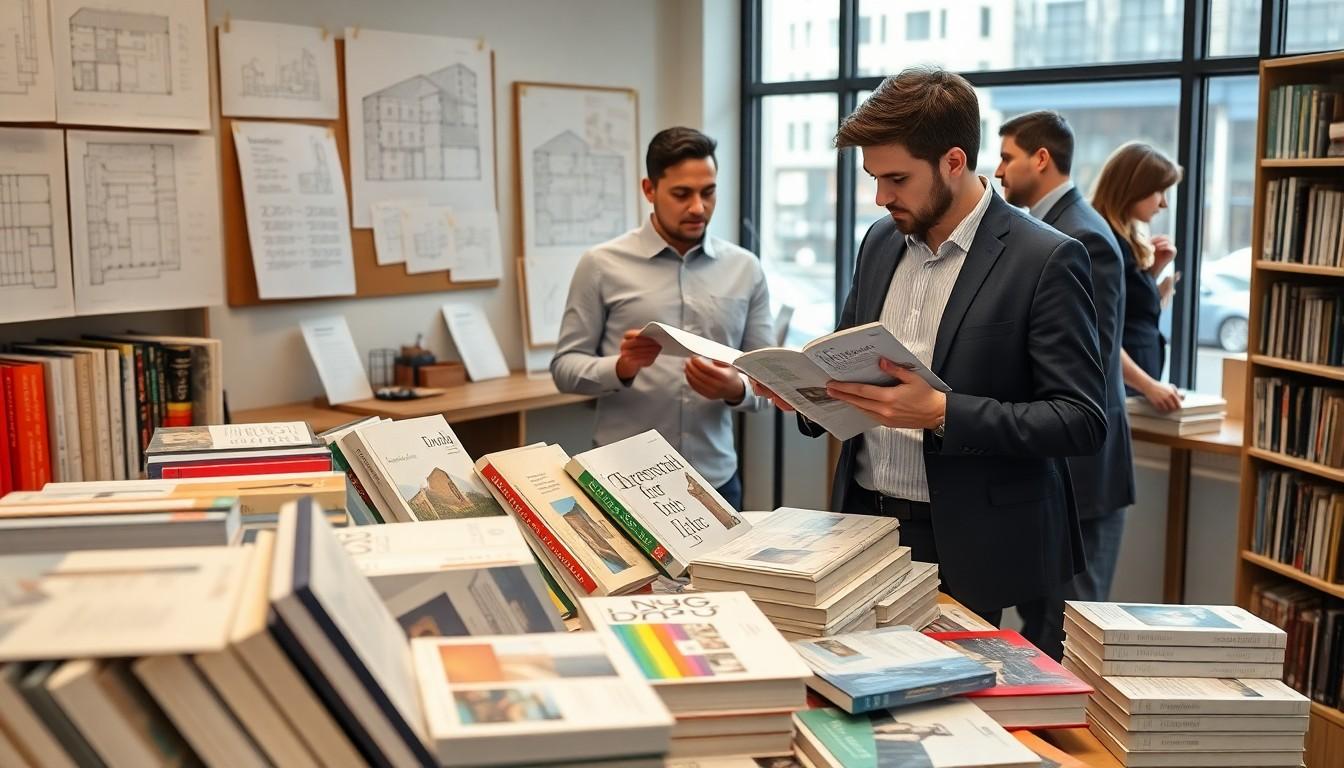
Readers are turning to queer architecture books that do more than document professional life. Out in Architecture, Volume II brings together 22 LGBTQIA+ voices from across the AEC world, offering personal stories, critical reflection and a hopeful look at how designers can reclaim space, inside the profession and beyond it.
Essential Takeaways
- A collective sequel: The volume gathers 22 new accounts from LGBTQIA+ architects, designers and related practitioners.
- Three connected themes: Stories explore identity beyond work, the relationship between identity and practice, and reclaiming space.
- Designed for flexible reading: Each contribution stands alone, so readers can follow whichever voice or subject draws them in.
- A self-published project: Editors and contributors volunteered their time to write, organise and produce the book.
- Part of a wider conversation: Other architecture titles and initiatives are also examining life beyond conventional professional roles.
A bigger, braver follow-up
The most striking thing about Out in Architecture, Volume II is its sense of momentum. This isn't simply a second instalment arriving because the first sold well. It's a response to a community that wanted more room to speak, reflect and recognise itself.
The editors describe the book as a continuation of an ongoing visibility project. That matters because representation in architecture can sometimes feel polished but distant, like a glossy model behind glass. These contributions promise something warmer and more immediate: lived experience, uncertainty, humour, pride and the daily work of showing up.
The book's editors and wider organisation are focused specifically on queer people working across architecture, engineering and construction. Their work gives the volume a clear community base rather than treating LGBTQIA+ experience as a sidebar to the profession. According to Out in Architecture, the aim is to connect people and make queer stories harder to overlook.
Why identity belongs in the architecture conversation
Architecture is often discussed through buildings, practices and public projects, but professional identity doesn't stay neatly in the studio. It travels into classrooms, offices, client meetings, construction sites and the spaces people design for one another.
That broader view links this collection to books such as Out of Architecture: The Value of Architects Beyond Traditional Practice, which examines how architects can apply their skills outside familiar career paths. The comparison is useful, even though the projects aren't identical: both challenge the idea that an architect's value is limited to drawing buildings.
For queer practitioners, that question can become even more personal. Who gets to feel at home in a profession? Which histories are remembered? And how might design change when people bring their full selves to the work? The answers aren't likely to fit a tidy career guide, but that's precisely the point.
Three themes give the collection its shape
The volume is organised around three broad areas. The first looks at identity beyond the profession, grounding the reader in personal histories and the ways queerness develops before, after and outside working life.
The second turns towards identity and practice. Here, the focus shifts to designing, teaching, researching and advocating, asking how personal experience can influence professional choices. It sounds abstract, but the strongest essays in this territory tend to make the idea tangible, connecting identity to real rooms, institutions and decisions.
The final section, focused on reclaiming space, looks outward. It considers how queer architects and designers can reshape communities and environments rather than simply adapt to structures that weren't built with them in mind. Research into queer public space similarly explores environments that support more radical, open-ended ways of living and gathering.
A book you can dip into, not study in order
One appealing feature is the invitation to read selectively. The editors don't present the collection as a strict argument that must be followed from beginning to end. Instead, each story is intended to work independently, with links emerging between voices over time.
That makes the book a practical choice for different readers. A student might start with an account that reflects their own uncertainty, while an established practitioner could head straight for essays about practice, leadership or community-building. It also suits readers who want to spend ten minutes with one story rather than commit to a long, linear read.
The format mirrors the subject. Identity is rarely a straight line, and neither is a career in architecture. The freedom to move around the book feels less like a publishing gimmick and more like an honest acknowledgement of how people actually find their way through professional life.
Self-publishing keeps the project in community hands
The editors chose self-publishing for the control and flexibility it offered. That decision allowed the contributors to shape the project collectively, while the writing, editing, layout and production were carried out through volunteer effort.
There's a quiet significance to that model. Architecture publishing can be expensive, formal and slow-moving, while community-led projects often need to respond quickly to gaps in the conversation. A self-published book can feel more direct: less like an institutional report and more like a gathering place you can hold.
Other organisations are also encouraging more open discussion around LGBTQIA+ inclusion in architecture. Perkins&Will, for example, has used Pride-related programming to explore how the profession can support queer colleagues and communities. The challenge now is making that attention last beyond a particular month or campaign.
Why this matters beyond Pride
The political climate has made public visibility more complicated for LGBTQIA+ people, and the editors acknowledge that telling personal stories can involve real risk. That gives the book a seriousness beneath its celebratory elements.
Still, the collection isn't framed only around exclusion or struggle. Its promise lies in the balance between difficulty and joy, showing that queer life in architecture includes friendship, creativity, discovery and belonging as well as barriers. That balance matters because communities deserve to be represented as fully human, not only as subjects of institutional concern.
For anyone looking for the best queer architecture books on identity, design and professional life, this volume offers a particularly grounded starting point. It won't solve the industry's problems on its own, but it can help readers notice who has been missing from the room, and imagine what might happen when they are invited in.
A good architecture book can change how you see a building. This one asks whether it can also change who feels entitled to shape the world around it.
Explore the collection and choose the stories that speak to you.
Source Reference Map
Story idea inspired by: [1]
Sources by paragraph:
- Paragraph 1: [2], [3]
- Paragraph 2: [2], [6]
- Paragraph 3: [4], [7]
- Paragraph 4: [5], [6]
- Paragraph 5: [3], [2]
- Paragraph 6: [4], [7]
- Paragraph 7: [6], [3]
- Paragraph 8: [2], [4]
- Paragraph 9: [5], [7]
- Paragraph 10: [2], [3]
- Paragraph 11: [4], [5]
- Paragraph 12: [6], [3]
- Paragraph 13: [2], [4]
- Paragraph 14: [3], [6]
- Paragraph 15: [2], [7]
- Paragraph 16: [3], [6]
- Paragraph 17: [2], [4]