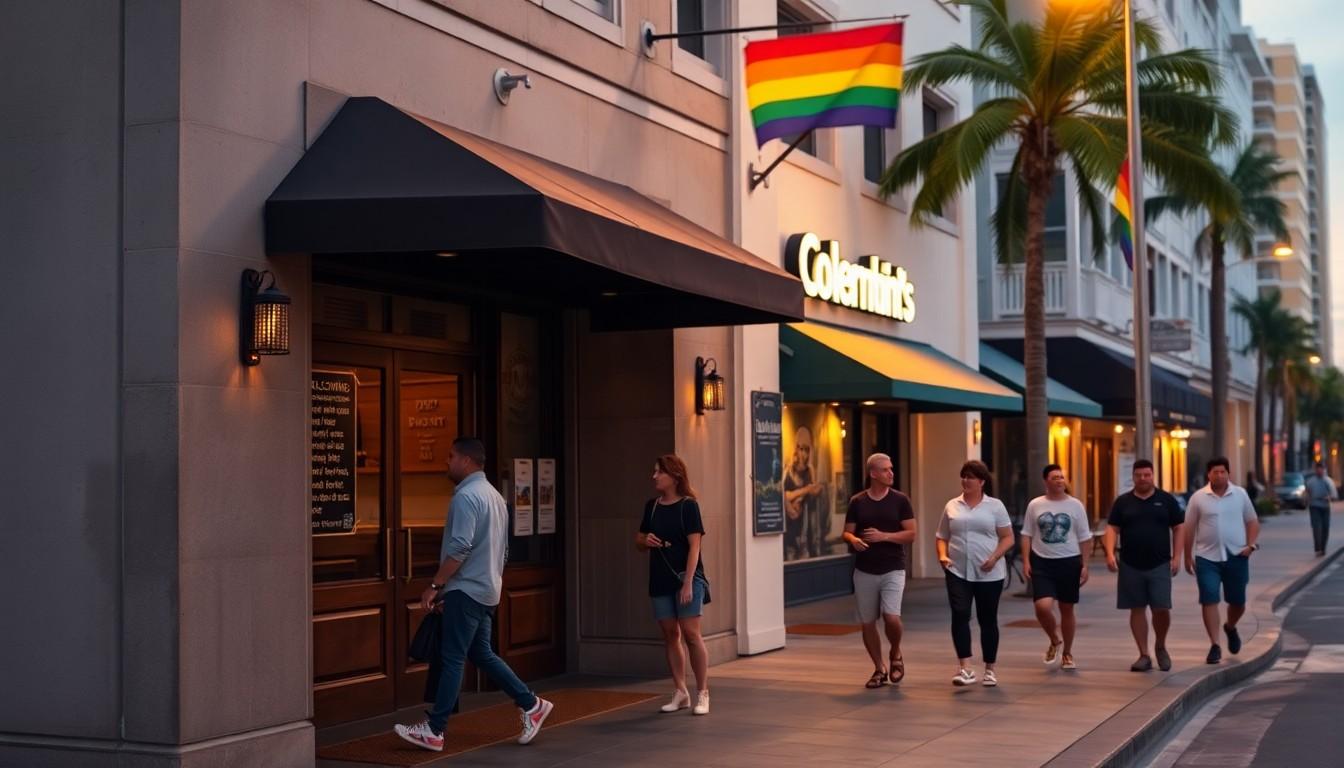
Travellers are turning to Grindr’s Host or Travel for a more local view of LGBTQ+ destinations, with episodes exploring queer nightlife, food, culture and practical tips in cities from Paris to Austin. Streaming on the app and YouTube, the series shows how local knowledge can make a trip feel safer, warmer and far more memorable.
Essential Takeaways
- Local insight matters: Episodes are built around residents sharing favourite venues, neighbourhoods and cultural stops.
- The series is global: Destinations include Paris, Miami, Austin, Lisbon, Sydney, Taipei and New Orleans.
- Travel patterns are changing: Grindr’s data points to strong interest in cities including Paris, Rio de Janeiro, New York, Bangkok and Berlin.
- There’s no universal itinerary: Recommendations may suit some LGBTQ+ travellers more than others, so check whether venues feel right for you.
- Plan beyond nightlife: The best trips mix queer-friendly bars and events with food, museums, beaches and outdoor spaces.
Why Grindr’s travel series feels different
Travel television usually arrives with a polished presenter, a dramatic soundtrack and a suspiciously perfect sunset. Host or Travel takes a more personal route, asking local Grindr users to show visitors what their cities actually feel like.
The series is available through Grindr’s content hub and YouTube, and its format is refreshingly straightforward. Locals share the places they enjoy, the spaces where visitors can meet people, and the details that don't always appear in a standard guidebook.
That makes the show useful for anyone searching for LGBTQ+ travel tips, particularly when a city’s queer scene is spread across several neighbourhoods rather than gathered in one obvious gayborhood.
From Paris to Austin, the destinations are wide-ranging
The series has visited a broad mix of established LGBTQ+ destinations and cities with their own distinctive local rhythm. Grindr’s Host or Travel listings include episodes connected with places such as Paris, Austin, Miami, Lisbon, Puerto Vallarta, Sydney, Taipei and New Orleans.
Each destination offers a different kind of escape. Austin combines bars and live entertainment with outdoor attractions, while Miami brings beaches, shopping and a lively late-night scene. Paris, meanwhile, works best when visitors balance famous landmarks with smaller queer venues and independent businesses.
That contrast is part of the appeal. A good LGBTQ+ city break isn't only about finding the busiest club. It's also about discovering the bakery, café, museum, park or neighbourhood where the city suddenly feels more intimate.
What Grindr’s travel data says about popular cities
Grindr’s own travel reporting adds a data-led layer to the series. According to information published by the company and discussed by GlobeTrotter, Paris, Rio de Janeiro, New York, Bangkok, Sao Paulo and Berlin rank among the most visited cities for users.
The figures also highlight how varied travel behaviour can be. Some destinations appear particularly active around real-time connections, while others see more late-night conversations or activity earlier in the day. In practical terms, that suggests travellers may find different kinds of local engagement depending on when and where they use the app.
Of course, an app's popularity isn't a substitute for research. Check current venue information, read recent reviews and look at local safety advice before setting off. A busy digital scene can point you towards possibilities, but it can't tell you whether a place suits your budget, identity or comfort level.
How to use local recommendations wisely
The smartest way to follow a Host or Travel-style itinerary is to treat it as a starting point, not a strict timetable. Pick one or two local recommendations, then leave room for the city to surprise you. That might mean pairing a queer bar with a museum, beach or restaurant nearby rather than rushing between venues.
For first-time visitors, location matters. Grouping activities by neighbourhood saves time and makes evenings easier, especially in large cities where a short distance on a map can become a long journey after dark. Save addresses, check opening hours and arrange a reliable way home before heading out.
It's also worth remembering that LGBTQ+ travellers aren't a single audience. What feels welcoming to a gay man travelling alone may not feel equally comfortable for a lesbian couple, a trans traveller or someone who prefers not to use dating apps. Look for current community recommendations and choose venues where you can relax rather than simply follow the trendiest list.
The future of LGBTQ+ travel is personal
Host or Travel reflects a wider shift in travel media: visitors want recommendations from people who live in a place, not just a list of attractions assembled from afar. Grindr says the series is designed to celebrate community, connection and the way users discover cities through local perspectives.
That approach has real value, particularly in destinations where LGBTQ+ spaces can be difficult to find or change quickly. A local voice can explain the atmosphere of a venue, the best time to arrive and the small social details that make a visit feel comfortable.
Still, the strongest travel plans combine that human guidance with common sense. Use the series for inspiration, verify details before you go and build an itinerary that reflects your own interests. Sometimes the best souvenir isn't a late night out, but knowing you found a city on your own terms.
Explore the recommendations that fit your style, then leave space for a little serendipity.
Source Reference Map
Story idea inspired by: [1]
Sources by paragraph:
- Paragraph 1: [2], [3]
- Paragraph 2: [5], [6]
- Paragraph 3: [3], [7]
- Paragraph 4: [4], [6]
- Paragraph 5: [2], [3]
- Paragraph 6: [4], [5]
- Paragraph 7: [4], [6]
- Paragraph 8: [2], [5]
- Paragraph 9: [3], [7]
- Paragraph 10: [4], [6]
- Paragraph 11: [2], [3]
- Paragraph 12: [5], [7]
- Paragraph 13: [4], [6]
- Paragraph 14: [2], [3]
- Paragraph 15: [4], [5]