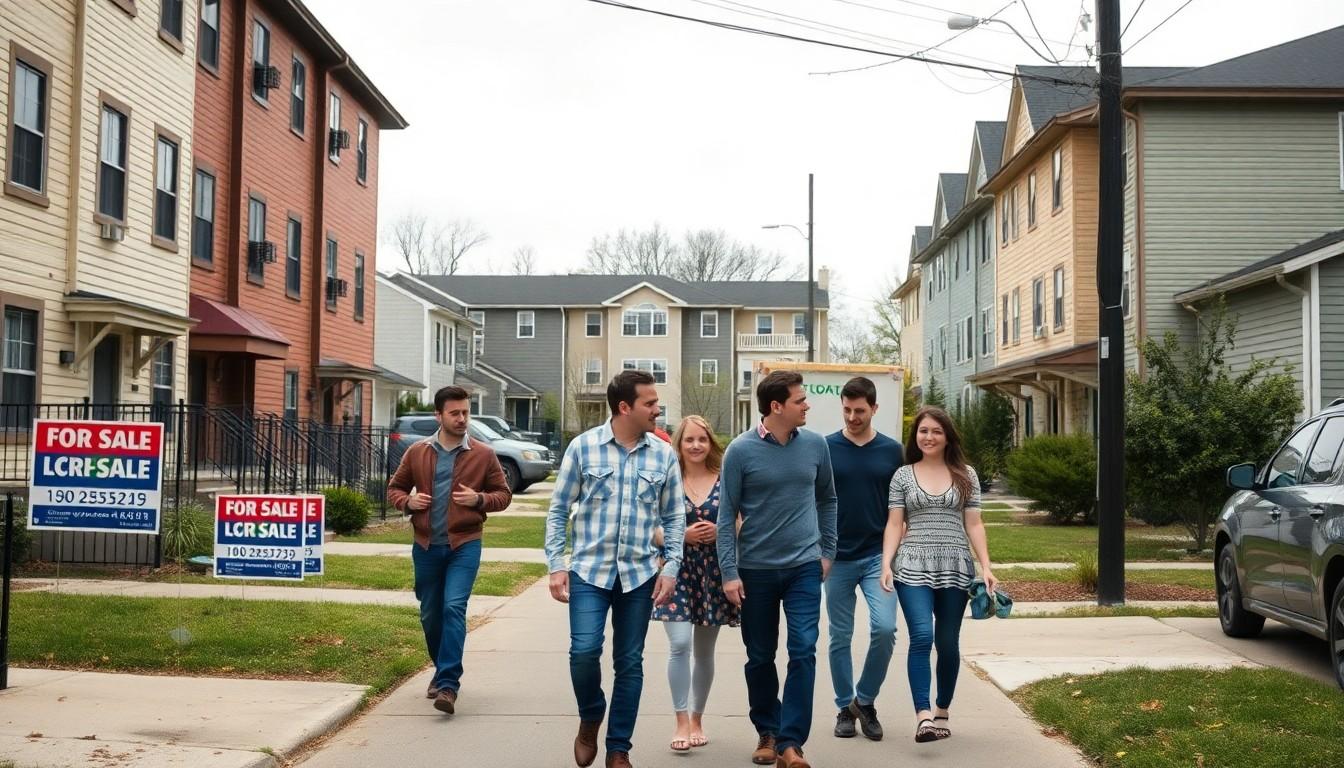
Homebuyers are looking beyond famous LGBTQ+ destinations as mortgage costs, high prices and remote work change the search for community. From established hubs to emerging cities, the best LGBTQ+-friendly places to live now balance acceptance, healthcare, lifestyle and a monthly payment that doesn't leave much room for fun.
Essential Takeaways
- The map is widening: Buyers are considering cities beyond traditional LGBTQ+ hubs such as New York, San Francisco and Palm Springs.
- Affordability matters more: Higher borrowing costs and expensive homes are pushing some shoppers towards smaller properties or less costly regions.
- Community still counts: LGBTQ+ buyers are weighing visibility, social networks, healthcare and the freedom to live openly.
- Negotiations are back: Greater stock and more price reductions can give buyers room to discuss repairs, price and closing costs.
- Local knowledge helps: Conditions can change sharply between neighbouring areas, so an LGBTQ+-friendly or allied agent may offer useful perspective.
The old LGBTQ+ property map is being redrawn
For years, the shorthand was easy: New York, San Francisco, Los Angeles, Palm Springs, Provincetown and South Florida. These places offered something precious, especially for people who'd spent years searching for acceptance: a visible community where everyday life could feel relaxed rather than defensive.
That doesn't mean the established centres have lost their appeal. Instead, the decision is becoming more layered. Zillow's research into LGBTQ+ buyers and renters highlights the particular pressures this group can face in housing, while the LGBTQ+ Real Estate Alliance's 2026 report points to a market shaped by both community needs and financial reality.
The result is a broader question. It's no longer simply where LGBTQ+ life is most visible, but where buyers can build a satisfying life without allowing housing costs to swallow everything else.
Why affordability is changing the conversation
The monthly payment has become the unglamorous star of the property search. National housing research from Harvard's Joint Center for Housing Studies and the National Association of Home Builders shows that affordability remains a serious barrier, even as conditions improve slightly in some areas.
That pressure can change the shortlist quickly. A buyer who once imagined a city-centre flat might now look at a smaller home, a nearby suburb or a different state altogether. Remote and hybrid work have made that leap more realistic for some households, although not everyone has the freedom to relocate.
For LGBTQ+ buyers, the trade-off isn't just about square footage. It might involve choosing between a larger home in an emerging community and a compact property in a famous destination, where restaurants, nightlife and social networks are already close at hand. Your ideal address may be less glamorous on a postcard but far more comfortable on payday.
Emerging cities offer a different kind of welcome
Markets such as Minneapolis, Columbus, Pittsburgh, Richmond, Atlanta and the Tampa Bay area are part of a wider conversation about where LGBTQ+ people can find community without paying the premium associated with the best-known destinations. Their appeal varies, but the common thread is a mix of local culture, employment, services and a growing social infrastructure.
PwC's emerging real estate outlook underlines how strongly economic conditions, migration and changing work patterns are influencing property decisions. Meanwhile, industry reporting on LGBTQ+ real estate suggests that buyers are increasingly comparing the whole lifestyle rather than focusing on a single neighbourhood label.
That means looking beyond the listing photos. Check local LGBTQ+ organisations, healthcare access, transport, cultural venues and the practical ease of making friends. A place can have an active Pride weekend and still feel isolating on an ordinary Tuesday, so the day-to-day reality matters.
Retirement buyers are asking more personal questions
For LGBTQ+ retirees, the search can be especially intimate. Climate, tax, healthcare and airport access matter, but so do questions about safety, visibility and whether there'll be people nearby who understand their lives.
Palm Springs and Fort Lauderdale, including Wilton Manors, remain obvious choices for many. Yet smaller cities and lower-cost regions are attracting attention from people who want space for travel, hobbies or family visits rather than an expensive home in a high-profile resort market.
Zillow's housing research is relevant here too, because affordability and access don't disappear with retirement. Before moving, prospective retirees should test the community in different seasons, investigate affirming healthcare and look at transport options. A sunny balcony is lovely, but reliable care and a welcoming GP matter rather more in the long run.
Buyers have more leverage, but not everywhere
The market is no longer defined by the frantic bidding conditions seen during the pandemic boom. Kiplinger's analysis identifies signs that buyers in some areas have regained negotiating power, including more choice and a greater chance of seeing price reductions.
That can create room to request repairs, a contribution towards closing costs or a better price. But it isn't a universal green light. PwC's market outlook reinforces the importance of local conditions, and one neighbourhood can remain fiercely competitive while another nearby is noticeably quieter.
The best approach is patient rather than passive. Compare recent sales with current competition, ask how long similar homes have been listed and understand which terms matter most to you. Sellers, meanwhile, need sharper pricing, tidy presentation and professional photography because buyers now have more reasons to scroll on.
The most useful question is where life fits
An LGBTQ+-friendly location isn't defined by a single statistic or a colourful main street. It's the combination of housing costs, social connection, healthcare, work, culture and the confidence to live openly.
The 2026 outlook remains demanding, as housing affordability research from Harvard and the National Association of Home Builders makes clear. Still, a more balanced market can create possibilities that were harder to find when every attractive home triggered a rush of competing offers.
For many buyers, the winning destination may be a smaller city with an energetic community and enough financial breathing room to enjoy it. That's a quieter kind of progress, but it could make the next chapter of LGBTQ+ homeownership more varied, practical and personal.
Start with the life you want, then find the place that can support it.
Source Reference Map
Story idea inspired by: [1]
Sources by paragraph: