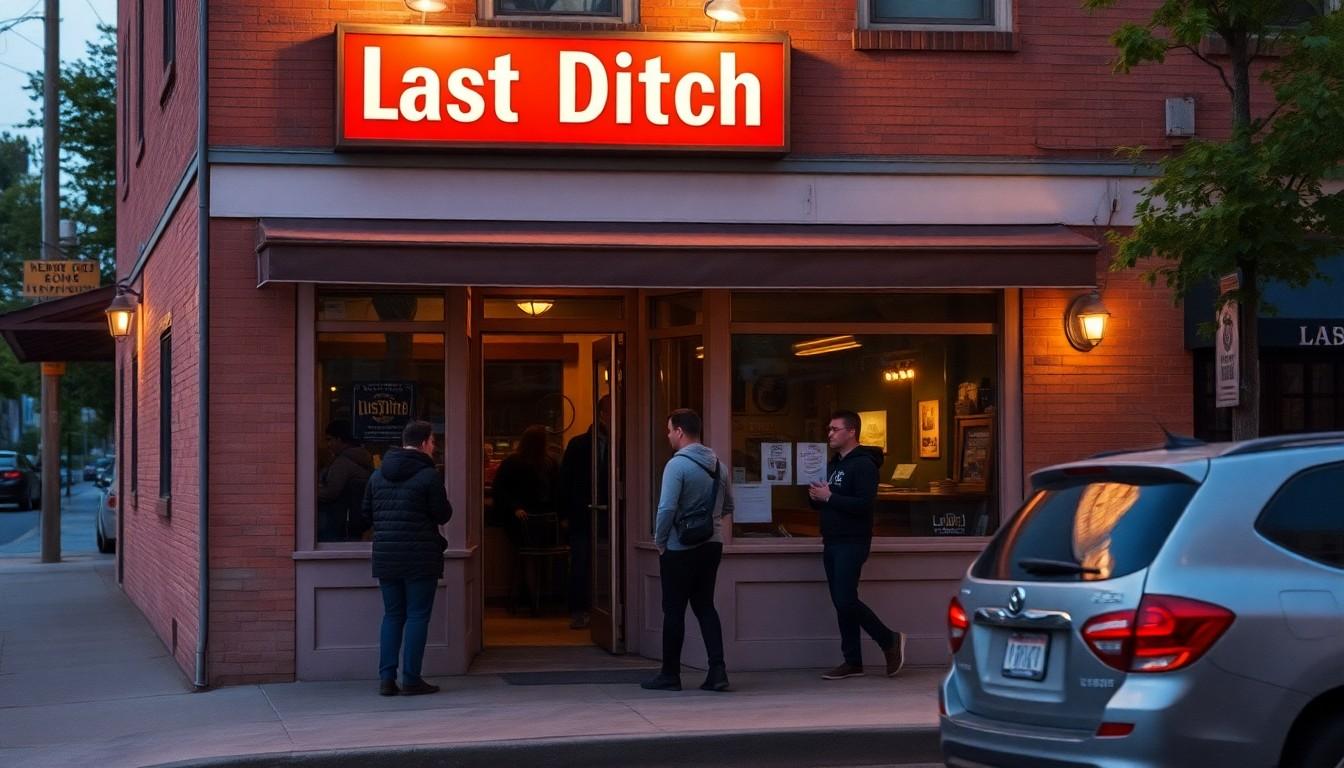
A struggling lesbian bar in western Massachusetts has become an unlikely online flashpoint after plans for mask-optional Saturday nights triggered fierce criticism. The dispute has drawn attention far beyond Greenfield, raising awkward questions about accessibility, political purity and whether activist language can overwhelm the practical business of keeping a community venue open.
Essential Takeaways
- The dispute centres on masks: The Last Ditch planned to make Saturday nights mask-optional while continuing to serve its wider community.
- The backlash was intense: Critics accused the venue of abandoning immunocompromised customers and disability justice.
- The bar was already under pressure: Free food and support for people in need made its finances particularly difficult.
- The story travelled quickly: Coverage by the Boston Globe helped turn a local disagreement into a national culture-war spectacle.
- The wider question is practical: Can an inclusive venue survive if its rules make ordinary trading increasingly difficult?
A small bar, a very large argument
The Last Ditch was created as more than a place for drinks. It aimed to offer a welcoming space for lesbians, trans people, workers, people experiencing homelessness and others who often feel pushed to the edge of nightlife. That mission gave the venue a warm, purposeful identity, but it also came with demanding expectations.
One of those expectations was mask-wearing, with customers asked to use KN95 or higher-filtration masks. As the Recorder reported, the policy became central to the bar's identity and to its appeal among people particularly concerned about Covid exposure. It also made an ordinary night out feel unusually structured, with the soft social ease of a bar replaced by a carefully managed public-health environment.
The trouble began when the operators announced that Saturday evenings would become mask-optional. The reason appeared straightforward: the venue needed more income. Yet the decision was interpreted by some regulars not as a modest commercial adjustment, but as a betrayal.
Why did the backlash become so fierce?
The response quickly moved beyond disappointment. Online criticism included accusations of ableism, demands for accountability and even violent language, according to reporting and social-media records reviewed by the Boston Globe. That escalation is what transformed a local policy disagreement into a national talking point.
There is a familiar pattern here. Communities built around shared political or cultural commitments often expect their institutions to embody those commitments perfectly. A change that might seem minor to a casual customer can therefore feel existential to someone who regards the venue as a rare safe space.
But that intensity can become self-defeating. A bar cannot pay staff, rent and suppliers with principles alone, however sincerely held. The meme archive documenting the controversy shows how quickly the argument became entertainment for outsiders, with the original question of sustainability often buried beneath screenshots and mockery.
Inclusion meets the uncomfortable maths of hospitality
The Last Ditch's predicament is especially awkward because its social purpose appears to have made survival harder. The venue welcomed people who might be unable to spend much, and reportedly offered free service to those in need. Admirable values don't automatically produce a workable balance sheet, though.
That tension is common among community spaces. The more a venue tries to remove financial barriers, the more it relies on donations, grants, volunteers or customers willing to pay extra. If those sources aren't reliable, even a popular venue can find itself facing a grim choice between closing, narrowing its mission or changing rules that some customers regard as non-negotiable.
The political arguments surrounding the bar also exposed a wider divide within progressive movements. The Boston Globe's explanation of its reporting showed why the story resonated: many people have encountered organisations where internal disputes become more damaging than opposition from outside. As one commentator quoted by National Review suggested, the recognition came from seeing a familiar kind of left-wing infighting played out in public.
The internet turned a local row into a culture-war prop
Once the story reached wider platforms, the Last Ditch became easy material for commentary from across the political spectrum. Critics of radical activism presented the dispute as an example of ideological excess, while supporters focused on the vulnerability of immunocompromised people and the need for genuinely low-risk social spaces.
That binary framing leaves out the practical middle ground. A venue might offer mask-required events on selected nights, improve ventilation, publish clear health guidance or create a booking system for customers seeking lower-risk sessions. None of those ideas solves every disagreement, but they could be more useful than treating the issue as a test of absolute loyalty.
The controversy also acquired a surreal comic quality. Suggestions for themed events collided with arguments over whether particular celebrities were politically acceptable, while organisers and patrons traded increasingly elaborate accusations. As the Wrap reported, the dispute became part of a broader argument about activists turning on their own allies.
What other venues can learn from the row
For community bars and grassroots venues, clear policy design matters. If masks are required, operators should explain why, review the rule regularly and make the financial consequences visible without blaming customers. If the policy changes, advance notice, specific alternatives and a route for feedback may help prevent a sudden sense of abandonment.
Customers, meanwhile, should be honest about what they can afford to support. A venue offering unusually generous access may need memberships, donations or paid events to survive. Turning up only when the space is perfectly aligned with every demand, then withdrawing support when the business struggles, is not a sustainable model.
The Last Ditch story is funny in parts, but the underlying issue isn't. People need places where they can meet safely and comfortably, while venues need enough paying trade to keep the lights on. That compromise is less dramatic than a digital pile-on, but it's far more likely to keep a community alive.
The real test now is whether the attention becomes practical support or merely another internet spectacle.
Source Reference Map
Story idea inspired by: [1]
Sources by paragraph:
- Paragraph 1: [2], [6]
- Paragraph 2: [3], [6]
- Paragraph 3: [2], [4]
- Paragraph 4: [5], [7]
- Paragraph 5: [6], [7]
- Paragraph 6: [2], [3]
- Paragraph 7: [6], [7]
- Paragraph 8: [4], [5]
- Paragraph 9: [5], [7]
- Paragraph 10: [6], [7]
- Paragraph 11: [2], [3]
- Paragraph 12: [4], [6]
- Paragraph 13: [2], [6]
- Paragraph 14: [3], [5]
- Paragraph 15: [6], [7]
- Paragraph 16: [2], [3]