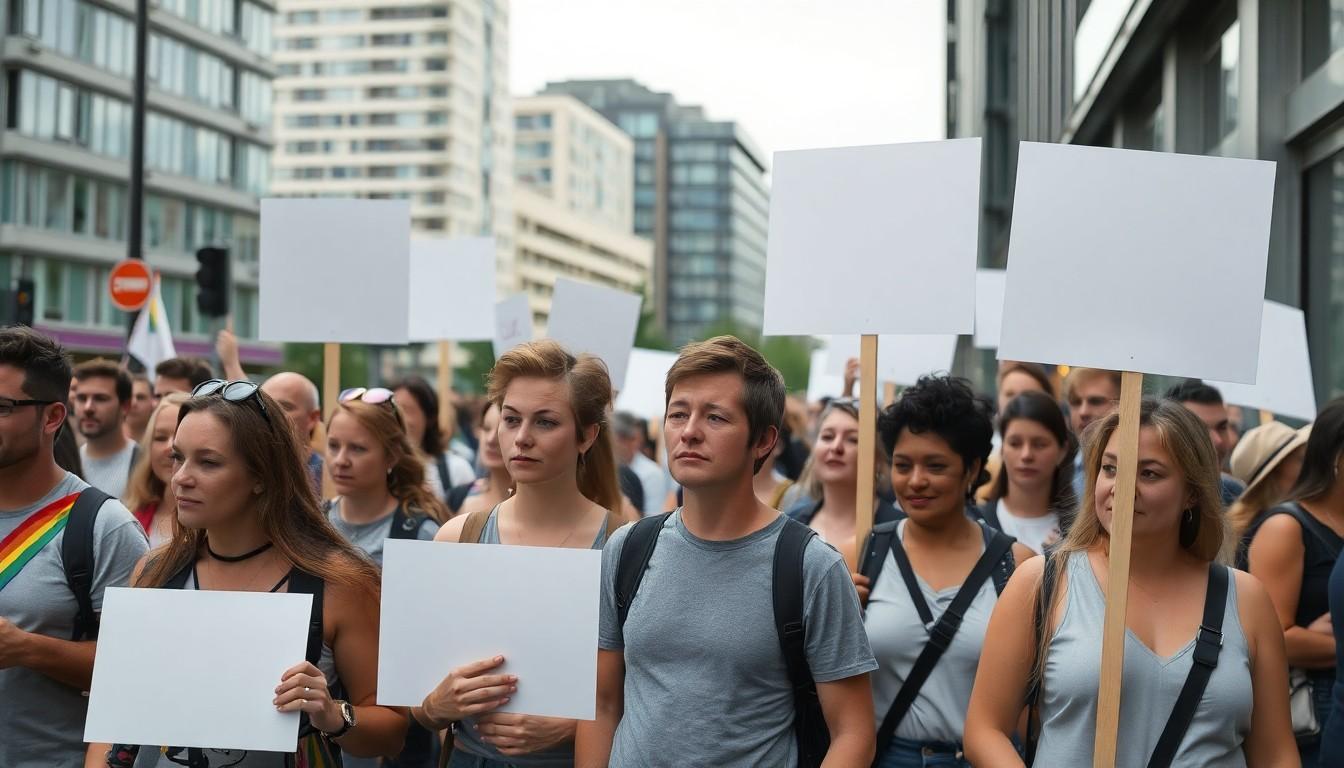
Crowds gathered in Rotterdam for Pride Walk 2026 as new Dutch research revealed a sharp fall in young people’s acceptance of homosexuality. The march offered celebration, solidarity and a visible rebuttal to a harsher online and political climate, reminding the city that inclusion still needs active support.
Essential Takeaways
- Acceptance has dropped: Positive attitudes among Dutch school-age boys fell from 40% in 2021 to 22% in 2025.
- Girls have shifted too: Among girls, approval declined from 78% to 51% over the same period.
- The change is broad: Researchers saw the decline across school levels and among young people with and without a migration background.
- Online culture matters: Experts link the shift to digital influences and a more aggressive public debate.
- Pride remains practical: Rotterdam's march gave people a visible way to celebrate identity and oppose discrimination.
A quieter start, but a louder message
Rotterdam Pride Walk 2026 began with scattered groups arriving at Rotterdam Centraal, where rainbow-coloured signs, a Pride-themed beauty stand and upbeat house music added flashes of colour to the station. It wasn't an enormous early crowd, but the mood was purposeful. According to NRC, people had come not only to celebrate, but because the latest figures made showing up feel newly important.
Among them was Rogier Kegge, carrying a pink flag for Gay Sportclub Ketelbinkie. He told NRC that declining acceptance was noticeable even among university students, particularly in attitudes towards masculinity and gender roles. That makes the march feel less like a yearly fixture and more like a public health check on the national mood.
The Rotterdam Pride programme positions the event as a celebration of LGBTQIA+ identity, community and visibility. Its official opening underlined that festive gatherings can also carry a serious civic message. [4]
The numbers have moved backwards
Research from Utrecht University and the Trimbos Institute found that positive attitudes towards homosexuality among boys aged 11 to 16 fell from 40% in 2021 to 22% in 2025. Among girls, the figure dropped from 78% to 51%, taking acceptance back to roughly the level recorded in 2009.
The decline isn't confined to one group. Trimbos says it appears across educational levels and among teenagers with and without a migration background. Researchers had expected some movement, but the speed of the fall surprised them. [3]
The figures also sit within a wider picture of pressure at school. The research covers wellbeing as well as social attitudes, and earlier findings pointed to worsening mental health among girls, heavier performance demands and more bullying. In other words, the change isn't happening in a vacuum.
Why online spaces are part of the story
Researchers point to young people's online experiences and the increasingly abrasive debate around sexuality. Teenagers don't need to be politically engaged to absorb political language. As one young marcher told NRC, someone may repeat a phrase seen on TikTok, with others joining in simply because it has become part of the social atmosphere.
That matters because attitudes often form through repetition. A provocative clip, a mocking meme or a hostile talking point can travel much faster than a careful classroom discussion. The University of Amsterdam has also highlighted the varied and sometimes contradictory ways Dutch young people view LGBTIQ+ issues, suggesting that a single national label can hide substantial differences. [7]
There is a human cost behind the statistics. Lydia Mantel, a trans young adult from the Hoeksche Waard, told NRC that she receives uncomfortable looks at home but feels more able to be herself at Pride. That contrast explains why visibility isn't merely symbolic. It can change how safe a person feels in an ordinary public space.
Pride is celebration, protest and meeting place
Rotterdam Pride's appeal lies partly in its mix of the joyful and the serious. Partners walk alongside friends, sports clubs and people who don't always feel perfectly at home in queer spaces. One marcher quoted by NRC said he usually avoided protests and felt ambivalent about parts of the gay scene, yet still decided to join after hearing about the research.
That broad participation matters. Pride doesn't require everyone to share the same experience, politics or style. A couple walking beneath a simple sign, a sports club carrying its flag and a first-time protester can all make the same basic point: LGBTQIA+ people belong in public life without having to perform a particular version of queerness.
The official Rotterdam Pride site describes the festival as a city-wide celebration, with events designed to bring visibility and community into everyday spaces. [5] That's especially relevant when many teenagers encounter identity debates through screens rather than face-to-face relationships.
What parents, schools and platforms can do
The research is a warning sign for schools as much as for families. Teachers and pastoral staff can make room for straightforward conversations about sexuality, gender, online misinformation and respectful disagreement. It also helps when anti-bullying policies are visible, consistently enforced and backed by adults who don't wait for a crisis.
Parents needn't have a perfect speech ready. Asking what a teenager has seen online, checking the meaning of unfamiliar slogans and calmly challenging dehumanising jokes can open a useful conversation. The goal isn't to turn every dinner into a seminar, but to ensure hostile content isn't the only explanation young people hear.
Meanwhile, Pride organisers and community groups offer a different kind of education: lived contact. Meeting people who are simply playing sport, walking with a partner or enjoying music can puncture the caricatures that thrive online. That may sound modest, but everyday familiarity is often where acceptance starts.
A march with work still to do
Rotterdam Pride 2026 arrived at a moment when many people felt that social progress could no longer be taken for granted. The walk gave that anxiety a colourful, collective outlet, while the research supplied a stark reason to keep going.
The most useful response isn't panic or nostalgia. It's steady work: better conversations, safer schools, responsible online spaces and public events where people can be visible without fear. Pride can't solve a national shift on its own, but it can make solidarity impossible to miss.
Visibility still matters, especially when acceptance is moving backwards.
Source Reference Map
Story idea inspired by: [1]
Sources by paragraph:
- Paragraph 1: [2], [4]
- Paragraph 2: [2], [5]
- Paragraph 3: [4], [5]
- Paragraph 4: [3], [6]
- Paragraph 5: [3], [6]
- Paragraph 6: [3], [7]
- Paragraph 7: [2], [7]
- Paragraph 8: [2], [5]
- Paragraph 9: [2], [5]
- Paragraph 10: [3], [6]
- Paragraph 11: [3], [7]
- Paragraph 12: [5], [6]
- Paragraph 13: [2], [3]
- Paragraph 14: [3], [7]
- Paragraph 15: [4], [5]
- Paragraph 16: [2], [4]
- Paragraph 17: [3], [5]
- Paragraph 18: [4], [5]