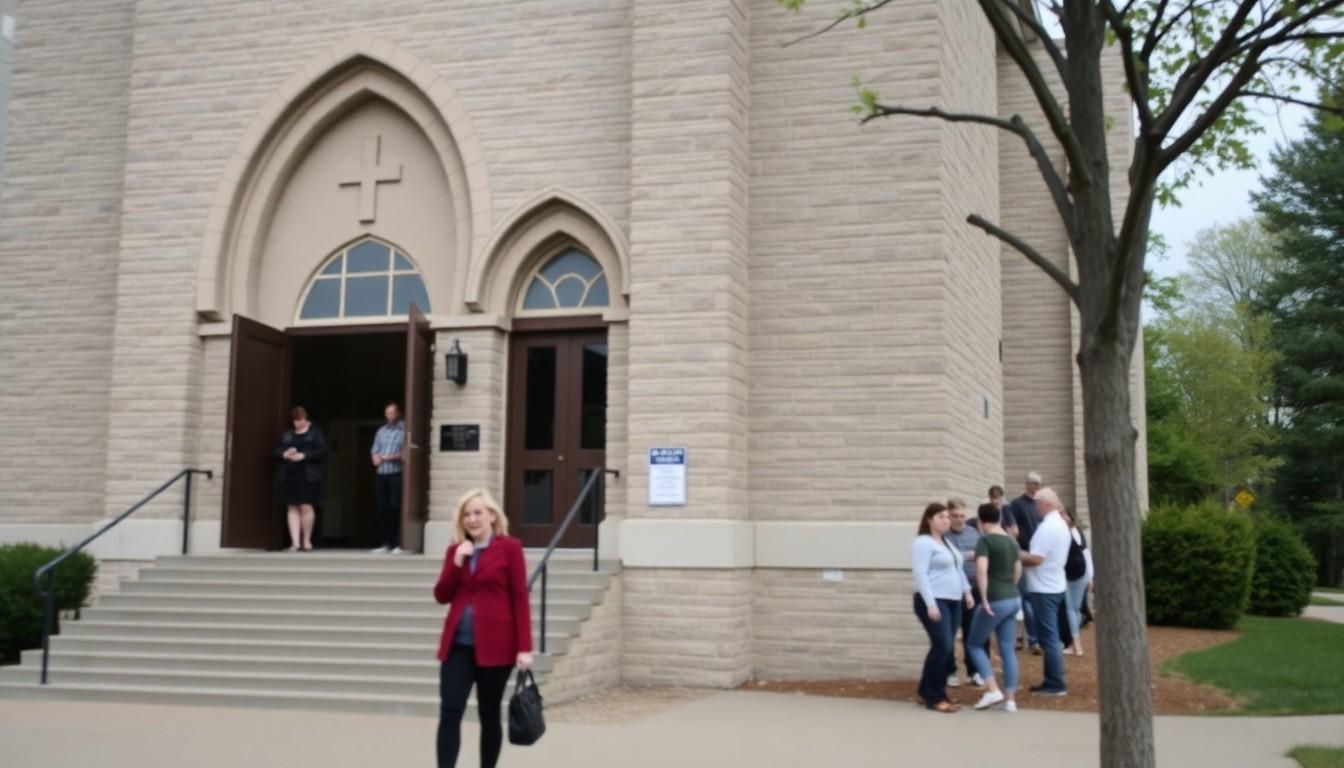
Parishioners in Syracuse are defending All Saints Church as a welcoming home for LGBTQ Catholics, families and anyone seeking a more inclusive faith community. With support groups, multilingual worship and an openly gay pastor, the parish has become a notable safe space as debate grows over a proposed Courage International chapter in the wider diocese.
Essential Takeaways
- A welcoming parish: All Saints presents itself as an open and inclusive Catholic community in Syracuse.
- Practical support: Its LGBTQ+ ministry includes family support, community events and discussion groups.
- A wider debate: The proposed local Courage International chapter has prompted concern among some parishioners.
- Different approaches: Courage promotes celibacy for Catholics experiencing same-sex attraction, while All Saints stresses affirmation and belonging.
- Community matters: Inclusive worship can offer reassurance to people who have felt isolated elsewhere.
A church where the welcome feels visible
At All Saints, the message isn't tucked away in a leaflet. A large "ALL ARE WELCOME" sign greets visitors, while a rainbow safe-space banner reinforces the point inside. The result is less like a quiet policy statement and more like a clear, everyday invitation. According to All Saints' parish information, the church serves a broad community in Syracuse, including LGBTQ Catholics, immigrants and international families. [2], [3]
That openness is reflected in the rhythm of worship. Services incorporate languages including Spanish, Swahili and French, alongside English, creating a lively atmosphere that feels less like a formal performance and more like a shared gathering. The parish's website describes a community built around welcome, participation and service. [2], [3]
For people who have spent years wondering whether they can be fully themselves in church, those details matter. A smile at the door is pleasant, but consistent support is what builds trust.
LGBTQ Catholic support goes beyond a rainbow flag
All Saints' LGBTQ+ ministry has developed into a practical network rather than a once-a-year Pride gesture. The parish supports family conversations, community activities and opportunities for LGBTQ Catholics to meet others with similar experiences. Its wider parish work also includes outreach and charitable support. [2], [3], [4]
That approach mirrors a broader shift in faith communities. People increasingly want to know what "inclusive" means in practice. Is there somewhere to ask difficult questions? Can parents find support? Will a transgender person be treated with dignity? A rainbow flag may open the door, but these are the questions that decide whether someone comes back. Support groups and ministries serving LGBTQ people take a similarly community-led approach. [5]
The appeal is easy to understand. Religious belonging can be deeply personal, and losing it can feel like losing part of a family. A parish that offers friendship as well as worship can make returning feel possible.
Why Courage International has sparked concern
The disagreement centres on Courage International, a Catholic organisation that encourages people experiencing same-sex attraction to follow Church teaching on chastity. Courage describes its work as spiritual accompaniment, and its national organisation invites donations to support chapters and related programmes. [6]
Critics, including members of the All Saints community, fear that this message can reinforce shame or suggest that LGBTQ identities need to be managed. Supporters see it differently, arguing that Catholics should have access to guidance consistent with official doctrine. The disagreement is therefore about more than one group. It's about whether pastoral care should begin with affirmation, restraint or a combination of the two. [6], [7]
That distinction matters to anyone comparing LGBTQ Catholic support groups. Before joining, it's sensible to ask what a group believes about identity, relationships, gender, confidentiality and personal autonomy. A warm-sounding title can conceal very different expectations.
The Syracuse diocese faces a delicate balancing act
The Diocese of Syracuse has its own parish structure and information about All Saints, while All Saints maintains a distinct identity within the diocese. That can create room for different ministries, but it can also make disagreements feel uncomfortably close to home. [7]
For parishioners, the issue is especially sensitive because the debate isn't happening in the abstract. It's about the tone of their local church, the groups available to families and the message newcomers receive when they walk through the doors. The diocese's support for a Courage chapter has therefore been viewed by some as an addition to pastoral choice, and by others as a threat to the atmosphere All Saints has built. [6], [7]
A workable future may depend on clarity. Communities need to know which services are available, who they are for and whether participation is genuinely voluntary. Without that transparency, even well-intended outreach can leave people feeling uncertain.
What inclusive Catholic support should offer
For anyone searching for an LGBTQ-friendly Catholic parish in Syracuse, the basics are reassuringly practical. Look for clear welcome statements, accessible contact details, family support, trained pastoral leaders and opportunities to meet people beyond Sunday Mass. All Saints' public information provides a starting point for learning about its parish life and ways to get involved. [2], [3]
It's also worth speaking directly with a parish representative before attending a group. Ask how the ministry approaches same-sex relationships, transgender identity, confidentiality and disagreement. If the answers feel evasive or judgemental, that tells you something important.
The strongest communities don't promise that every question will be simple. They show that people can ask those questions without being pushed out. For many Catholics, that may be the most meaningful form of welcome.
A safe church is built through everyday actions, not just a sign above the door.
Source Reference Map
Story idea inspired by: [1]
Sources by paragraph:
- Paragraph 1: [2], [3]
- Paragraph 2: [2], [3]
- Paragraph 3: [2], [3]
- Paragraph 4: [2], [3], [4]
- Paragraph 5: [5]
- Paragraph 6: [2], [3]
- Paragraph 7: [6]
- Paragraph 8: [6], [7]
- Paragraph 9: [6], [7]
- Paragraph 10: [7]
- Paragraph 11: [6], [7]
- Paragraph 12: [2], [3]
- Paragraph 13: [2], [3]
- Paragraph 14: [2], [3]