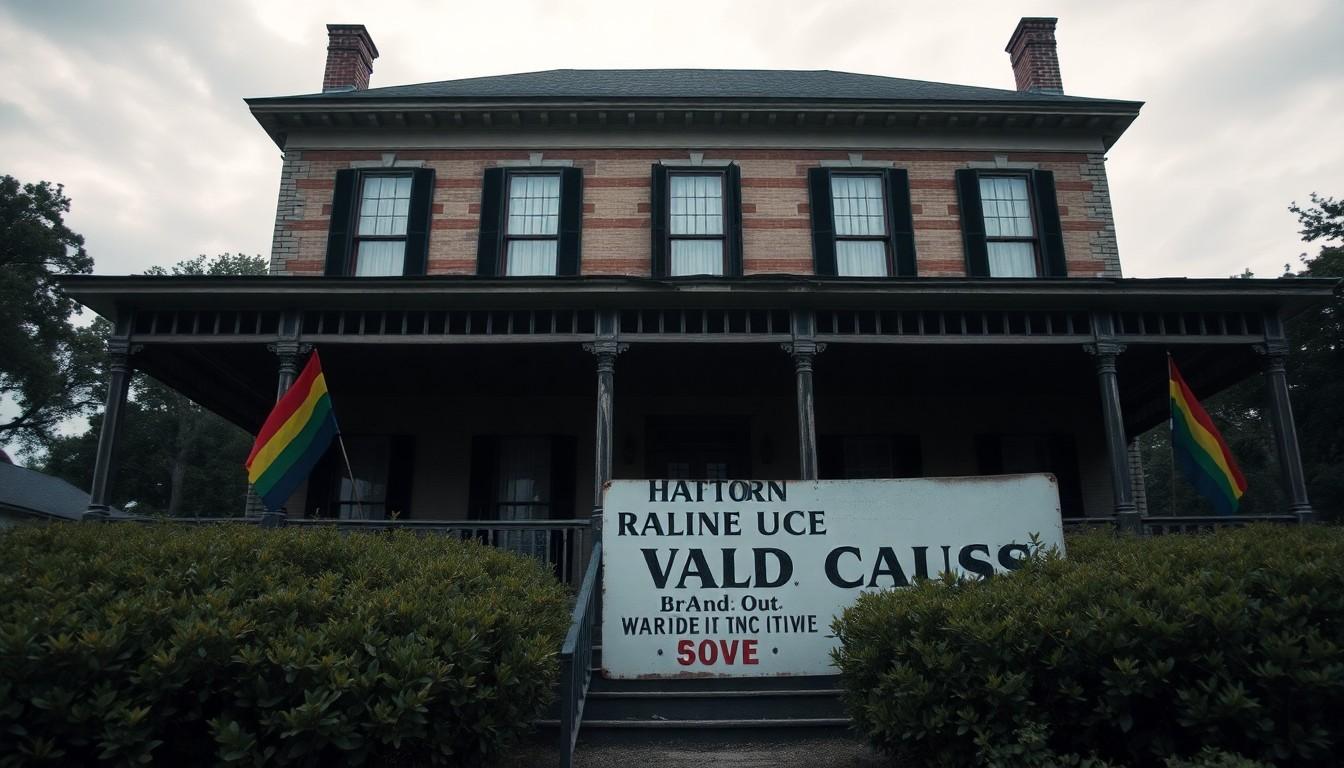
Viewers are returning to Southern Gothic cinema for its feverish heat, family secrets and charged queer subtext. From Tennessee Williams adaptations to overlooked dramas, these films turn repression into spectacle, pairing simmering desire with unforgettable performances and a distinctly humid sense of danger.
Why Southern Gothic still feels so electric
The most gripping Southern Gothic films rarely begin with a scream. They start with a close room, a strained family dinner or a silence that feels far too heavy. The atmosphere is sticky, claustrophobic and emotionally combustible, with desire pressing against respectability at every turn.
That tension is central to the appeal of Cat on a Hot Tin Roof, the 1958 drama starring Elizabeth Taylor, Paul Newman and Burl Ives. Rotten Tomatoes lists it as one of the best-known screen versions of Tennessee Williams's work, while its reputation rests heavily on the film's bruising performances and tightly wound family conflict.
A young Jane Fonda meets a formidable Barbara Stanwyck
Among the less frequently discussed entries in this tradition is The Chase, a 1966 adaptation of Lillian Hellman's play. It brings together a young Jane Fonda and Barbara Stanwyck in a small Southern town where old resentments, class anxiety and sexual suspicion sit just beneath the surface.
Fonda's presence adds a restless, modern energy, while Stanwyck brings the steel and authority expected of one of Hollywood's great screen presences. The result isn't cosy viewing, but that's rather the point. These characters don't simply carry secrets; they seem to sweat them out.
From Williams to Hellman, repression is the main character
Tennessee Williams's film adaptations are often treated as the defining examples of Southern Gothic cinema. A Streetcar Named Desire and Cat on a Hot Tin Roof made domestic conflict feel almost operatic, turning bedrooms, verandas and family homes into battlegrounds.
The Guardian's discussion of Cat on a Hot Tin Roof also highlights how censorship shaped the film's treatment of desire. Much of the original play's sexual and emotional complexity had to be softened for the screen, leaving audiences to read between the lines. That coded language became part of the films' enduring fascination, particularly for queer viewers accustomed to finding meaning in glances, evasions and carefully managed performances.
The best films make the setting feel complicit
Southern Gothic isn't just a collection of stories set in the American South. The landscape often behaves like another character, trapping people inside inherited customs and unspoken rules. Heat, decaying houses, religious pressure and small-town gossip all help turn private conflict into public threat.
The British Film Institute's selection of great Southern Gothic films shows how broad the tradition can be, moving beyond straightforward family melodrama into stories about violence, isolation and social collapse. That wider context helps explain why films such as The Chase can feel both intimate and unnerving: the town itself seems to be watching.
How to watch these films with fresh eyes
Start with the performances, then pay attention to what the characters avoid saying. In older studio films, a pause can carry as much weight as a confession, particularly when the script is negotiating censorship or social convention.
It also helps to compare the film with its source material where possible. Critical writing on Cat on a Hot Tin Roof, including analysis published by Cineaste, shows how adaptation can preserve a play's emotional pressure while reshaping its politics and explicitness for cinema. That gap between page and screen is often where the most revealing queer readings emerge.
Why this old Hollywood tradition keeps returning
Today's viewers are more alert to subtext, coded intimacy and the cost of enforced respectability, so these films can land differently now than they did on release. What once looked like mere melodrama may reveal a careful portrait of people boxed in by gender, class and desire.
The appeal isn't only historical. These stories remain deliciously uncomfortable, full of characters who know the rules but are increasingly unable, or unwilling, to obey them. For a film night with bite, Southern Gothic still serves the heat beautifully.
Explore the classics, follow the subtext and let the tension simmer.
Source Reference Map
Story idea inspired by: [1]
Sources by paragraph: