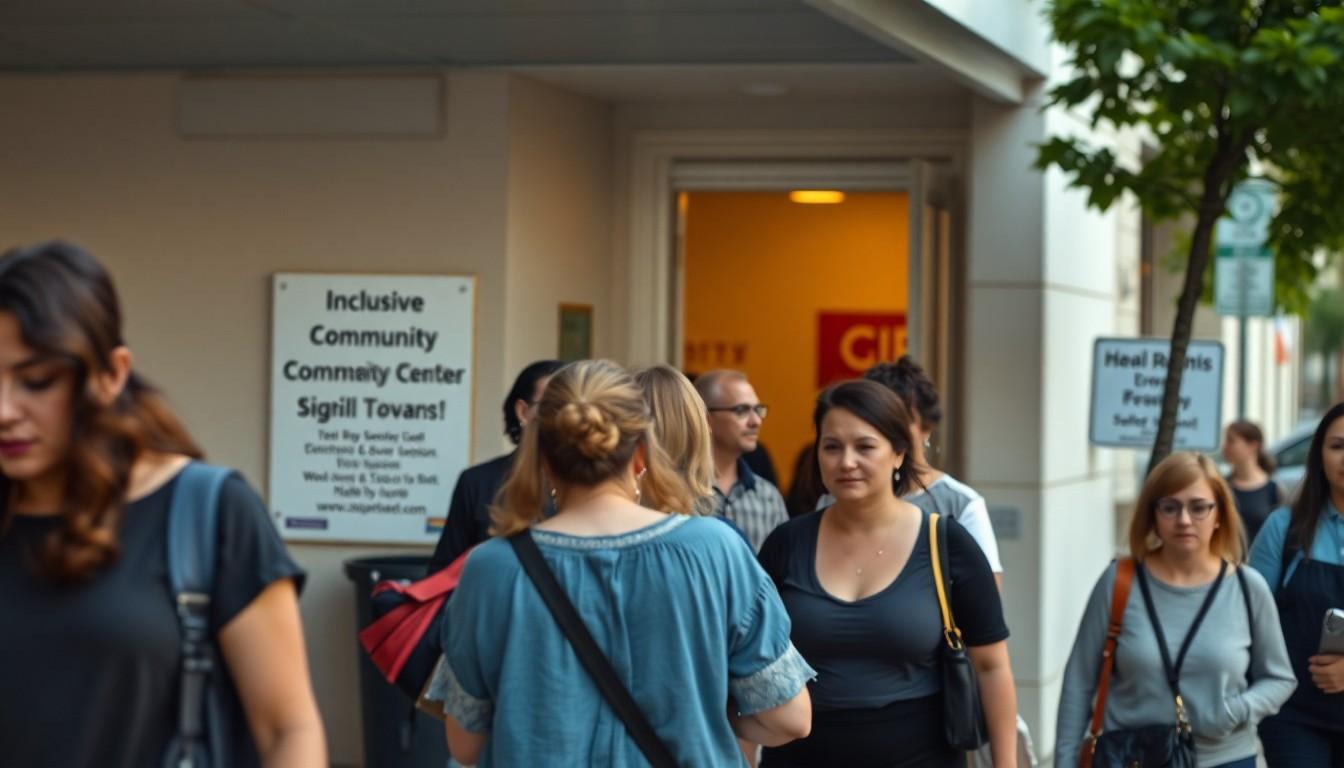
A fresh dispute over who belongs under the LGBTQ+ umbrella has revived an old question: does inclusion weaken a movement, or make it stronger? The argument matters to queer communities, allies and anyone following the changing language of civil rights, especially as debates over trans identity and political strategy grow louder online and beyond.
Essential Takeaways
- The dispute: Brianna Wu’s social media comments challenged the inclusion of several identities within LGBTQ+.
- The wider context: LGBTQ+ language and organising have expanded over decades as communities found common ground.
- A recurring tension: Some activists favour narrower definitions, while others see solidarity as essential to political progress.
- The historical lesson: Earlier gay and lesbian campaigns could also exclude trans people and others through their language and presentation.
- Why it matters: Public disagreements can shape how queer people understand belonging, rights and collective power.
The acronym is changing because the community is
The latest argument about LGBTQ+ inclusion is less about a string of letters than the people behind them. Asexual, non-binary, queer and polyamorous people have all found themselves pulled into a debate over whether a broad coalition is useful or too unwieldy. According to the Philadelphia-based publication that sparked this discussion, Wu argued that the acronym should focus on gay, lesbian, bisexual and transgender people, framing it as a civil-rights vehicle.
That position has a familiar ring. Social movements often try to draw firm boundaries when political pressure rises, as if a smaller tent might be easier to defend. But identity rarely behaves so neatly. People’s lives overlap, and the language used to describe them tends to shift as previously overlooked groups gain visibility.
The uncomfortable truth is that LGBTQ+ communities have long challenged accepted ideas about gender, sexuality and family. A movement built around questioning social norms can struggle when it starts deciding that only certain forms of difference are legitimate.
Gatekeeping has a long history
This isn’t the first time queer activism has tried to present a carefully controlled public image. Historical accounts of the Annual Reminder demonstrations in the 1960s describe participants following conventional dress expectations, including suits for men and dresses for women, in an effort to challenge claims that gay people were unemployable or socially disruptive.
That strategy had a practical purpose, but it also reflected the limits of the period. Trans people and gender-nonconforming people were not always included in the same public story, even though they were part of the wider struggle. As later movements became more visible, the language expanded from gay and lesbian organising towards GLBT, LGBT, LGBTQ and LGBTQ+.
The change wasn’t simply branding. It reflected arguments, activism and people insisting that their experiences mattered too. History suggests that today’s supposedly settled acronym may be only another stage in a much longer evolution.
Why transmedicalism remains such a flashpoint
The controversy is also tied to transmedicalism, a view commonly associated with the belief that someone must experience gender dysphoria, receive medical recognition or pursue physical transition to be considered genuinely trans. Reference material on transmedicalism notes that the position can exclude non-binary people and others whose journeys don’t follow a clinical or surgical path.
That creates a particularly sharp contradiction. Some non-binary people do pursue hormones or gender-affirming surgery, while others don’t. Medical choices vary widely, and treating one pathway as the entry ticket to trans identity leaves little room for real-world complexity.
Coverage of Wu’s politics by Them and PinkNews has placed her comments within wider disputes over trans rights, conservative talking points and the boundaries of trans representation. Whatever one thinks of her arguments, the reaction shows why definitions carry emotional weight: they can influence whether people feel recognised, dismissed or pushed outside the community they hoped would protect them.
A smaller coalition isn’t automatically a stronger one
Supporters of a narrower acronym may argue that different groups face different policy questions. That’s true. The experiences of a bisexual person, a non-binary person and an asexual person aren’t interchangeable, and no movement should flatten those differences.
But shared organising doesn’t require identical lives. Coalitions work because participants recognise overlapping risks, common opponents or mutual benefits. Research and commentary on public opinion around transgender rights, including analysis published by The Atlantic, show how politically charged these issues have become. In that climate, fragmentation can make already vulnerable groups easier to isolate.
There’s also a practical point. Allies may not know every term or understand every community’s history, but they can still support equal treatment. Demanding perfect fluency before someone can participate risks turning solidarity into a test, rather than an invitation.
Inclusion needs clarity, not a purity test
Broad inclusion doesn’t mean every identity or political view is beyond discussion. Communities still need room for disagreement, careful language and honest debate about strategy. The difference is between asking useful questions and declaring that certain people are inherently fraudulent, irrelevant or unwelcome.
For readers trying to make sense of the debate, a good starting point is to listen to how people describe themselves, avoid assuming that medical transition defines identity, and remember that labels can be tools rather than rigid legal categories. It’s also worth distinguishing between explaining different experiences and ranking them.
The LGBTQ+ movement has never been static. Its vocabulary has changed because its members have changed what the public can see. That evolution may be untidy, but it’s also one of the reasons the movement has endured.
A broader coalition can be messy, but exclusion rarely makes it stronger.
Source Reference Map
Story idea inspired by: [1]
Sources by paragraph: