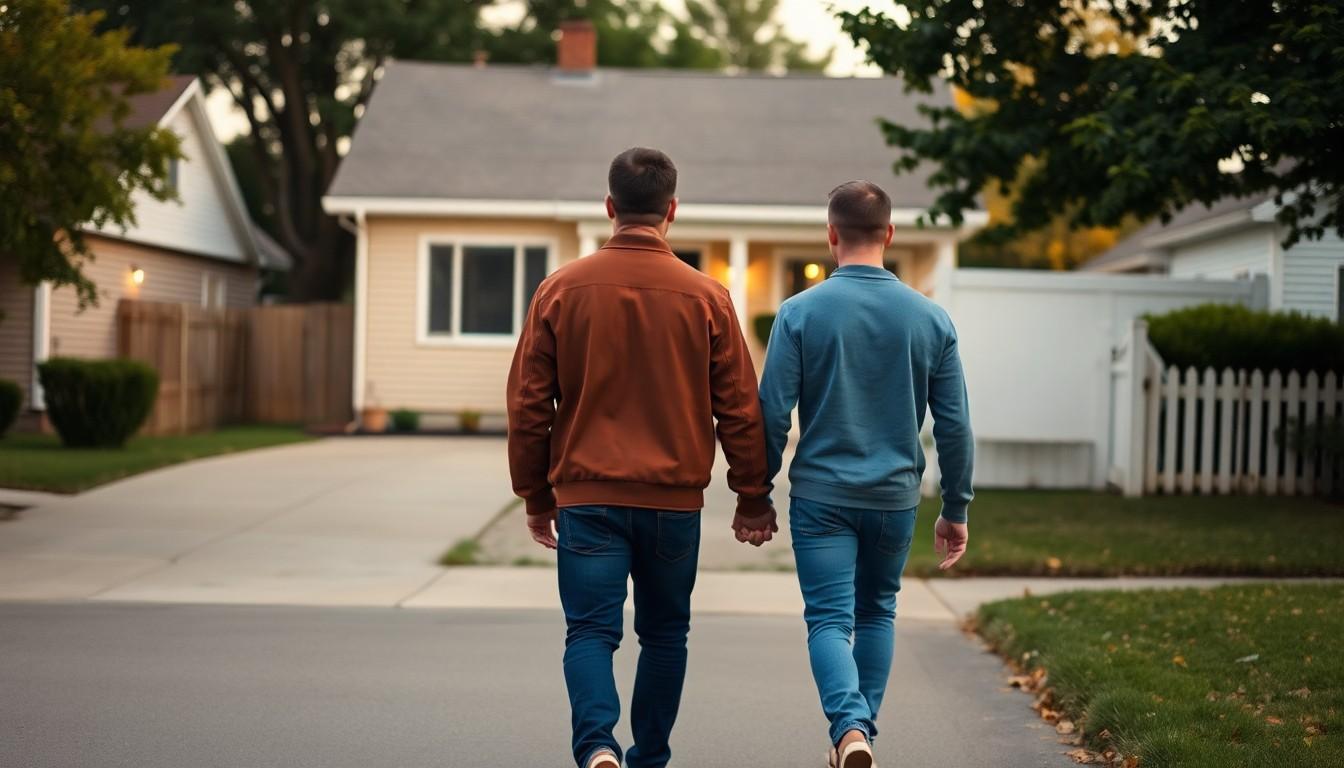
Readers are pushing back against the idea that bisexual men are secretly gay, particularly when they’re married to women. The debate matters because bisexuality is often erased by assumptions about someone’s partner, even in happy, open relationships where both people know exactly what works for them.
Essential Takeaways
- Bisexuality is real: Attraction to more than one gender doesn’t require equal interest or constant proof.
- Partners don’t define identity: A bisexual man’s relationship with a woman doesn’t make him straight, just as dating a man doesn’t automatically make him gay.
- Invisibility is common: Bisexual adults are often less likely to be open about their sexuality than gay men and lesbians.
- Boundaries matter: You can correct close friends, but you don’t have to debate your marriage with everyone.
- Happy relationships need trust: Clear agreements and honest communication matter more than outsiders’ assumptions.
The marriage works. The assumptions don't
The most striking detail in this story isn’t the open marriage. It’s how confidently other people dismiss what the couple says about themselves.
The husband is bisexual, his wife knows it, and the pair have built a consensual arrangement around work, travel and mutual trust. Yet whenever his sexuality comes up, outsiders apparently treat the wife as though she’s failed to spot an obvious secret. That patronising reaction can sting more than simple confusion.
According to Pew Research, bisexuality includes a wide range of attraction patterns. Some bisexual men feel more attraction towards men, some towards women, while others feel similarly attracted to both. There isn’t a single visual clue, relationship pattern or level of sexual activity that can settle the question for everyone else.
Why people keep treating bisexuality as a halfway label
A familiar stereotype says bisexual men are really gay but not ready to admit it. It’s a tidy story, perhaps, but it leaves no room for people whose attractions genuinely include more than one gender.
Pew’s research on LGBTQ+ identities shows that labels and experiences don’t always fit the neat categories people prefer. That’s especially important when someone’s current partner is treated as evidence against their identity. A man with a female partner may be presumed straight, while the same man with a male partner may suddenly be labelled gay.
Neither assumption is particularly sophisticated. Sexual orientation describes attraction, not just the person someone is dating this month.
The numbers challenge the stereotype
The idea that bisexual men are simply gay men in disguise also runs against the available evidence. Pew has reported that, among bisexual men, 34% say they’re more attracted to men, 38% more attracted to women and 28% are about equally attracted to both.
That variety is the point. Bisexuality doesn’t come with a required 50-50 split, and attraction doesn’t need to be demonstrated on demand. Pew has also found that 77% of partnered bisexual men are in relationships with women, a figure that makes the assumption of hidden homosexuality look even less convincing.
These statistics don’t define any individual marriage, of course. They do provide useful context when someone insists that a bisexual man’s relationship automatically reveals his “real” sexuality.
So, should you correct everyone?
For close friends and family, a calm explanation may be worthwhile. You can say that bisexuality isn’t an unfinished version of homosexuality, and that the person concerned is the best authority on his own identity. A short, confident answer is usually more effective than an exhausting courtroom presentation.
With acquaintances, colleagues or strangers, stepping back may be healthier. Pew has found that bisexual adults are less likely than gay men and lesbians to be out to the people in their lives, which helps explain why bisexuality can remain poorly understood. But that social gap isn’t yours to fix one sceptical conversation at a time.
A useful boundary might be: “That’s how he identifies, and our relationship is private.” It closes the door without inviting a debate about bedroom details, fidelity or whether the marriage is somehow a cover story.
Trust matters more than outside approval
An open relationship requires conversation, consent and a shared understanding of the rules. If both partners feel secure, respected and fulfilled, an outsider’s raised eyebrow doesn’t change the reality inside the marriage.
There’s also a quiet irony here. The people insisting they know the husband better than his wife may think they’re being perceptive, but they’re actually treating bisexuality as impossible. Their certainty says more about the limits of their assumptions than about the couple’s relationship.
The couple doesn’t need to win a public vote on their identity. They need honesty between themselves, sensible boundaries with others and the freedom to stop explaining a private life that already works.
It's not your job to prove someone else's sexuality, especially when the person himself already knows who he is.
Source Reference Map
Story idea inspired by: [1]
Sources by paragraph: