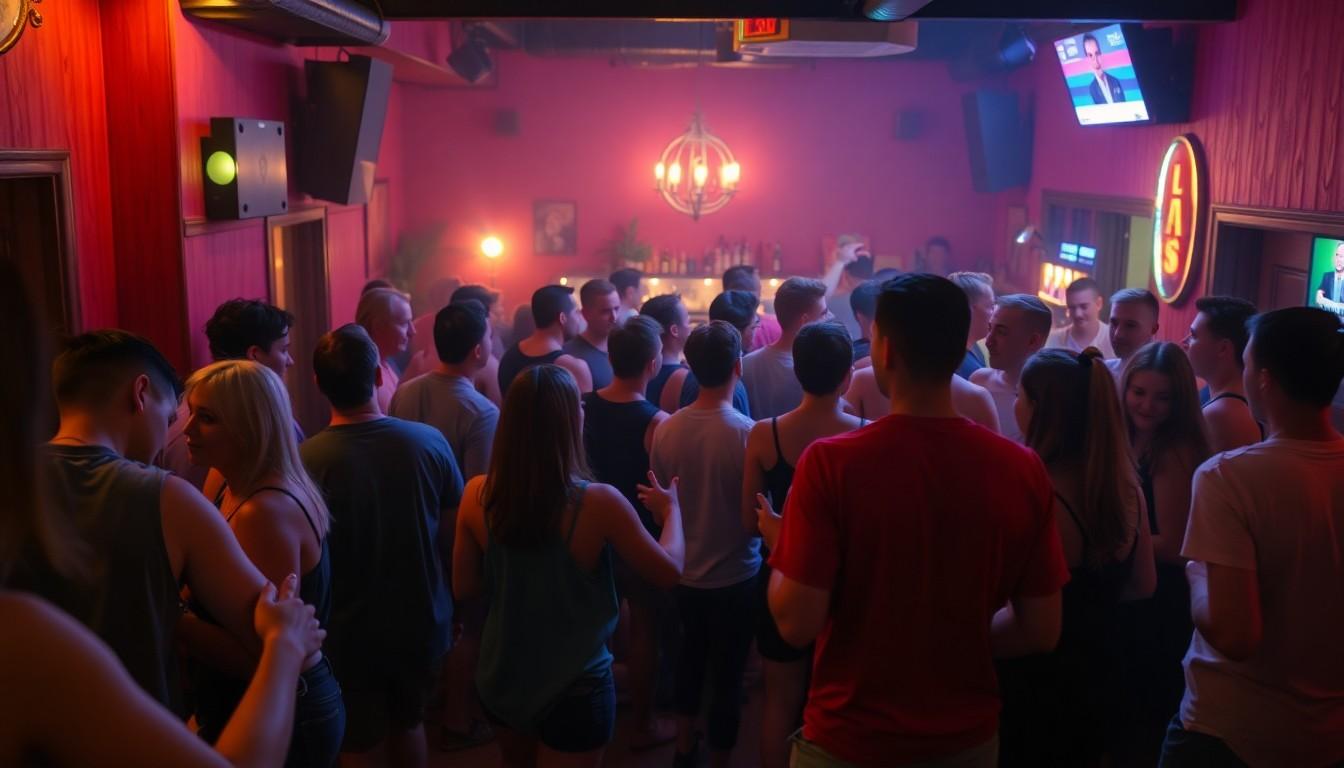
Hundreds of LGBTQ+ people gathered at La Rosa in Tucson just days after two men were killed outside a local gay bar, choosing music, friendship and shared joy as a way to remember the victims and reclaim queer space.
Essential Takeaways
- More than 400 tickets were sold: The event drew a substantial crowd to La Rosa despite understandable safety fears.
- Grief came first: Organisers paused the music to acknowledge the deaths of Cameron Capara and Vincent Siqueiros.
- Joy became an act of resistance: Drag, dancing and a Beyoncé birthday set helped transform sorrow into connection.
- The community also took action: A portion of the event proceeds was earmarked to support Venture-N staff and its owner.
- Queer spaces matter: Attendees described them as places where friendships, chosen families and belonging can grow.
Tucson danced after tragedy
The strongest image from Tucson wasn't simply a crowded dance floor. It was the moment a room full of people, many carrying fresh grief, decided they still had the right to feel joy.
According to KOLD, friends, relatives and community members had gathered days earlier to remember two men killed outside Venture-N, a local gay bar. The deaths were investigated as a possible hate crime, leaving many LGBTQ+ residents facing a familiar and deeply unsettling question: how do you keep showing up when a place meant to feel safe has become the scene of violence?
At La Rosa, the answer was loud, glittering and imperfectly human. People drank, laughed, tipped performers and danced close together, while the loss remained unmistakably present.
A planned party took on a different meaning
The gathering had originally been arranged as a Labor Gay weekend celebration by POSE TUCSON. After the shooting, organiser Ray Saint-Zarek considered cancelling, particularly because he worried about the safety of performers, DJs and guests.
That hesitation is hardly surprising. KOLD and the Arizona-based Fronteras Desk both reported on the community's mourning and the public response to the killings, including a vigil attended by friends, families, activists and civic figures. For an organiser responsible for hundreds of people, carrying on was not a casual decision.
Saint-Zarek checked in with the creative team and La Rosa before proceeding. The event was then reshaped into something more deliberate: a gathering that could hold sorrow without allowing fear to empty queer spaces.
A share of the proceeds was also planned to support Venture-N's owner and employees, adding practical solidarity to the emotional response.
Why dancing became a form of defiance
The night echoed a phrase often associated with LGBTQ+ communities during the AIDS crisis: burying friends, protesting injustice and dancing anyway. It sounds almost too neat until you see how useful the idea becomes in real life.
Before a drag performance, Saint-Zarek stopped the music and recognised the pain in the room. Then he encouraged the crowd to continue. The message wasn't that anyone should move on, or pretend everything was fine. It was that grief doesn't cancel the need for pleasure, companionship or a life beyond violence.
That distinction matters. A party after tragedy can look frivolous from the outside, but inside the room it can offer something a vigil cannot: movement, laughter, touch and the simple reassurance that nobody is alone. As the Associated Press has reported in wider coverage of anti-LGBTQ+ violence and community responses, public solidarity often takes many forms, from remembrance to collective action.
Queer spaces offer more than a night out
For many attendees, La Rosa represented far more than a venue with a sound system. It was a place where people could meet friends, find performers they admired and recognise themselves in the crowd.
Saint-Zarek described queer spaces as places where chosen families begin and people who have spent years feeling different can finally realise they're not isolated. That may sound sentimental, but anyone who's found community in a club, bar or arts space will understand the force of it.
The wider Tucson response showed the same need for togetherness. Reporting from Tucson.com and KJZZ described vigils where mourners stood alongside activists, religious leaders and local officials. The settings were different, but the underlying purpose was shared: to make private grief visible and collective.
What comes after the applause?
The party did not erase the questions raised by the killings. Nor did it settle the debate over whether the most effective response lies in elections, public pressure, organising or direct community action.
Some attendees emphasised holding elected representatives accountable. Others argued that communities cannot wait for politicians to protect them and must build power themselves. Those approaches can sit uneasily together, but they share an important starting point: remembrance should lead somewhere.
The practical work may include better safety planning, stronger support for queer venues, sustained attention to hate crimes and financial help for people affected by violence. It also includes continuing to gather, even when doing so feels frightening.
That is the quiet power of Tucson's dance floor. It wasn't a declaration that the danger had disappeared. It was a refusal to let danger dictate every movement.
A community refuses to disappear
The evening's drag performances, music and shared celebration carried a message that was both joyful and defiant. LGBTQ+ people were mourning, but they were also meeting one another, making memories and defending their right to occupy space.
The balance is uncomfortable because it should be. Grief and happiness aren't opposites, and communities living through violence rarely get the luxury of choosing just one emotion.
For Tucson's queer community, dancing became a way to say that the lives lost mattered, the people still here matter and fear won't be allowed to make the final decision.
Joy can be resistance when it brings people together.
Source Reference Map
Story idea inspired by: [1]
Sources by paragraph: