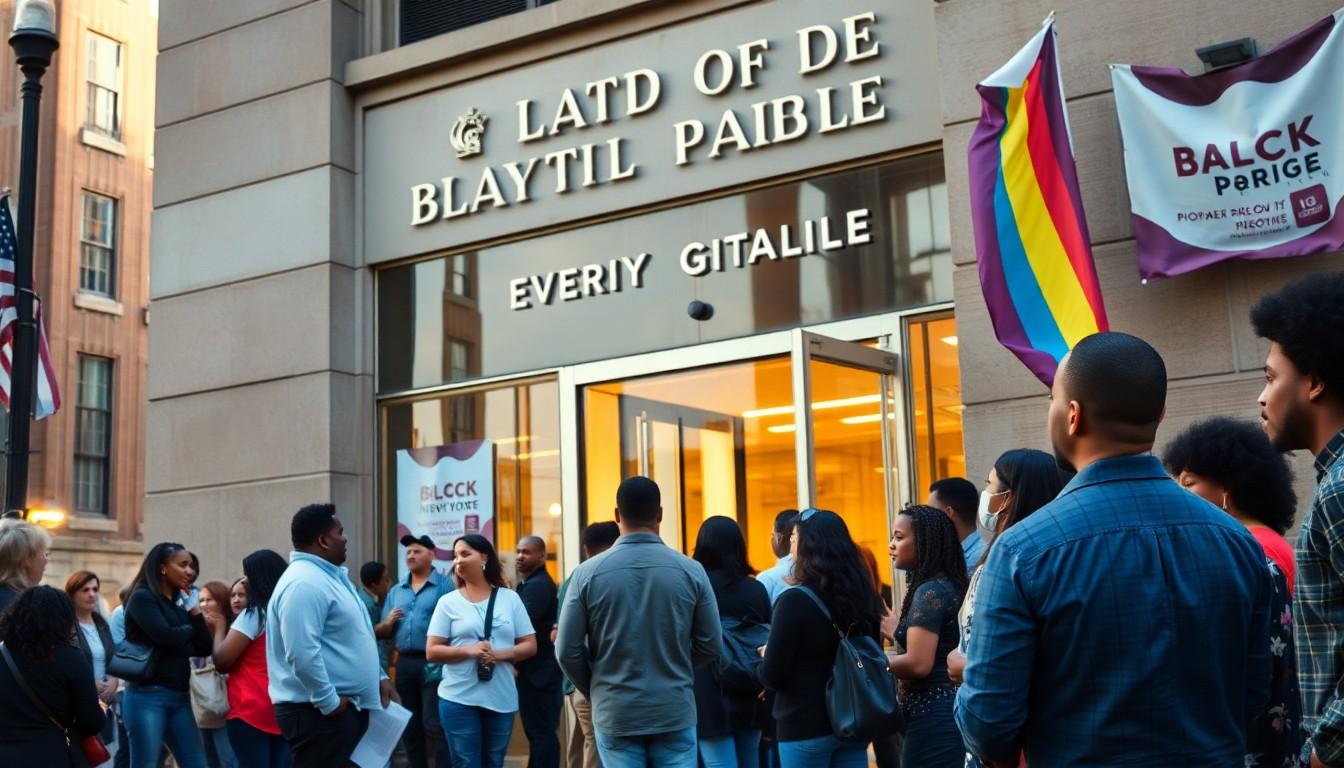
New York City has formally designated August as Black Pride Month, recognising the annual NYC Black Pride celebration and the lasting contributions of Black LGBTQIA+ communities. The move gives a long-running cultural event official civic weight, while organisers and supporters say it should also encourage fuller recognition of Black queer history across the city.
Essential Takeaways
- August has been designated: New York City lawmakers approved the Black Pride Month resolution on 24 September.
- A long-running celebration: NYC Black Pride has marked its 29th year, with its 30th anniversary ahead.
- More than a parade: Events have included health programming, pageants, beach days and Harlem block parties.
- History is central: Organisers want ballroom culture, the Harlem Renaissance and Black LGBTQ contributions included in wider American history.
- The recognition arrives amid tension: Supporters say the declaration matters as LGBTQ rights and identities face renewed political pressure.
A formal nod to a community with deep roots
New York City’s decision turns an annual celebration into an official part of the civic calendar. The resolution recognises August as Black Pride Month and highlights the role of Black LGBTQIA+ New Yorkers in shaping a fairer, more inclusive city.
According to Gay City News, the measure was introduced by Bronx Councilmember Althea Stevens and supported by Bronx Borough President Vanessa Gibson. It passed alongside a separate resolution designating September as African Immigrant Heritage Month, giving the day a broader focus on communities whose stories have too often been treated as side notes.
That matters because recognition isn’t merely ceremonial. City proclamations can help create visibility, support public programming and place community history in front of people who might never encounter it elsewhere.
NYC Black Pride has been building momentum for years
The resolution follows the 29th annual NYC Black Pride, a week-long programme led by Lee Soulja-Simmons, who has organised the event for 17 years. Its schedule has stretched well beyond a single march or party, bringing together celebration, education, health discussions and community connection.
Past activities have included the Mr. and Miss Black Pride International pageant, a health conference, Coney Island beach days and Harlem block parties. It’s a lively mix, but it also reflects the practical needs of a community seeking both joy and support.
The timing is particularly notable with the 30th anniversary approaching. As NYC Black Pride enters that milestone year, the city’s declaration offers a fresh platform for its organisers and a chance to draw more attention to the people and movements behind the celebration.
Why ballroom and local history matter
Soulja-Simmons has argued that Black Pride should be understood as part of the country’s wider LGBTQ history, not as a separate footnote. That includes ballroom culture, the Harlem Renaissance and the achievements of Black and Brown LGBTQ people across generations.
The point is easy to grasp. Cultural history often travels through memorable images, famous names and major institutions, while the everyday work of community organisers can disappear from view. Black Pride helps keep those stories visible, colourful and connected to the city streets where much of that history unfolded.
The New York City Comptroller’s office also highlights organisations serving Black LGBTQ communities, including Destination Tomorrow. That wider network shows that Pride is not only about annual visibility. It can also mean employment support, health services, housing assistance and a safe place to find community.
Recognition feels especially significant in the Bronx
For organisations based in the Bronx, the resolution carries a distinctly local meaning. Sean Ebony Coleman, who leads Destination Tomorrow, welcomed the opportunity to celebrate Black LGBTQ people who call the borough home.
The organisation’s South Bronx base gives it a close view of the communities being recognised. A formal declaration can’t solve every challenge, of course, but it can signal that these residents belong in the city’s public story and deserve attention from policymakers.
That message is particularly important when LGBTQ rights and identities remain politically contested. The city’s pride and social studies resources already present LGBTQ history as part of New York’s educational landscape, while the new designation adds another public marker to that effort.
What happens next?
A declaration is a beginning rather than an endpoint. The real test will be whether August brings sustained funding, thoughtful programming and greater space for Black LGBTQ voices in museums, schools, archives and city events.
Supporters are already looking towards the 30th anniversary of NYC Black Pride. With official recognition now in place, next year’s programme could become a moment to celebrate the past while asking a sharper question: whose stories are still missing?
For many New Yorkers, the answer won’t be found in a document alone. It will be heard in the music, seen in the crowds and felt in the relief of being recognised at last.
A city calendar has made room, and now the celebration can fill it.
Source Reference Map
Story idea inspired by: [1]
Sources by paragraph:
- Paragraph 1: [2], [3]
- Paragraph 2: [4], [5]
- Paragraph 3: [6], [7]
- Paragraph 4: [2], [4]
- Paragraph 5: [3], [6]
- Paragraph 6: [4], [7]
- Paragraph 7: [2], [5]
- Paragraph 8: [3], [4]
- Paragraph 9: [6], [7]
- Paragraph 10: [2], [3]
- Paragraph 11: [4], [5]
- Paragraph 12: [6], [7]
- Paragraph 13: [2], [4]
- Paragraph 14: [3], [5]
- Paragraph 15: [6], [7]