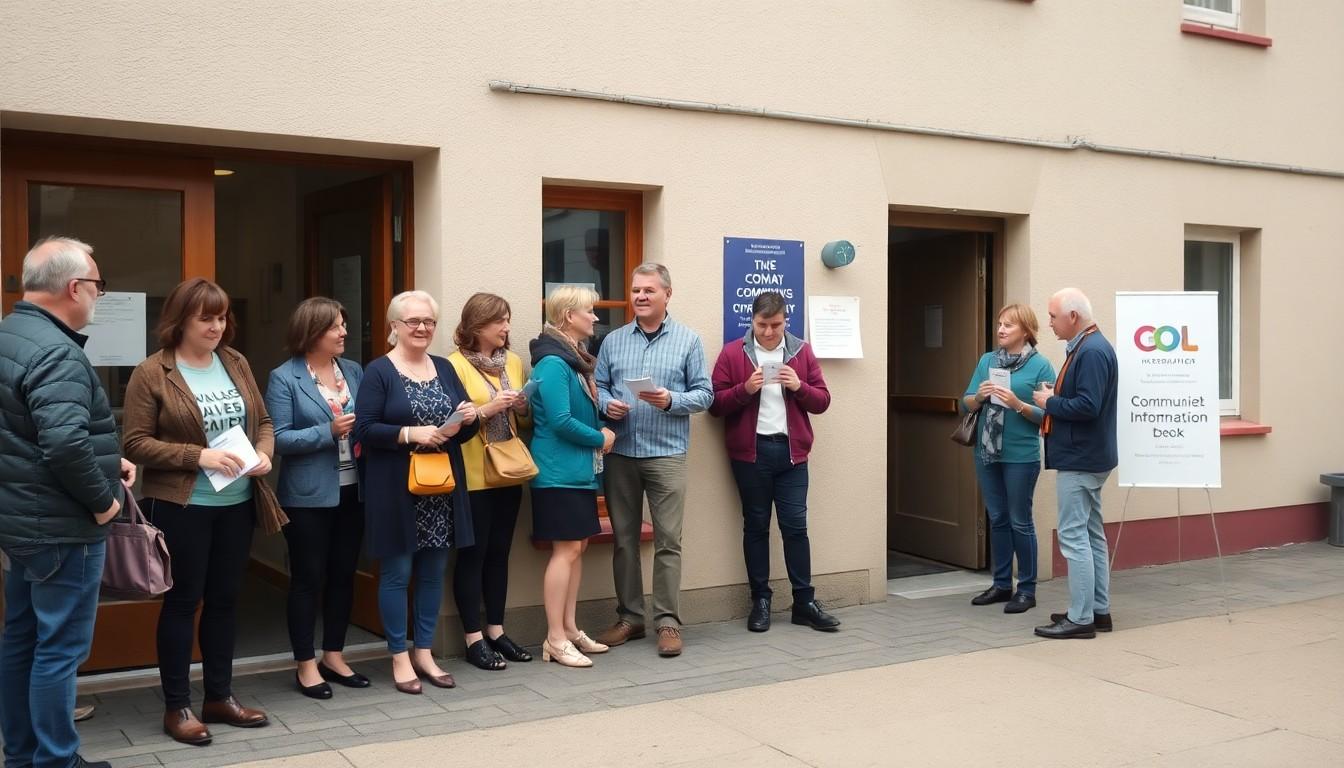
A new cross-border LGBTQIA+ support project is bringing community groups, public bodies and local residents together across Louth and Newry, Mourne and Down. Backed through PEACEPLUS funding, the two-year programme aims to build understanding, create safer spaces and make support easier to find in both rural and urban communities.
Essential Takeaways
- Two-year programme: Activities will run across Louth and Newry, Mourne and Down.
- Community-led support: Peer groups, social meet-ups, talks and informal coffee sessions are planned.
- Better public services: Training will help staff understand LGBTQIA+ experiences and remove barriers.
- Cross-border focus: Visits and shared learning will connect communities on both sides of the border.
- How to join: Updates are available through Outcomers, including on Instagram and by phone.
A practical project with a warm, local feel
The new LGBTQIA+ support project is designed to be more than a formal awareness campaign. It will offer places where people can meet, talk and build connections, from peer groups and social gatherings to relaxed coffee and craic sessions.
That informal approach matters. Support can feel intimidating when it arrives wrapped in official language, whereas a welcoming room, a familiar face and a decent cup of coffee can make the first step much easier. Newry.ie reported that the programme is aimed at strengthening LGBTQIA+ support and connections across the participating areas. [2]
The project is being delivered by Dundalk-based Outcomers LGBT+ Support Service in partnership with The Rainbow Project. Its reach extends across county and national boundaries, with activities planned for communities in Louth and Newry, Mourne and Down. [3]
Why the cross-border approach matters
The border can be a practical barrier for people looking for services, particularly in rural areas where specialist support may be limited or spread across a wide distance. A shared programme gives local organisations a chance to exchange ideas, coordinate activity and make better use of existing expertise.
PEACEPLUS is intended to support cooperation, community relations and shared progress across Northern Ireland and the border counties. Newry, Mourne and Down District Council lists LGBTQIA+ inclusion among the programmes supported through its wider peace and reconciliation work. [4]
Cross-border visits will form part of the programme, offering opportunities for participants to learn from one another rather than working in isolation. It sounds simple, but those relationships can be the difference between a project that exists on paper and one that people genuinely use.
Training aims to change services, not just attitudes
A central strand of the project is professional LGBTQIA+ inclusion training for public and voluntary sector organisations. The sessions will explore LGBTQIA+ experiences, identify obstacles to inclusion and help services become more culturally sensitive.
That focus is especially useful because inclusion isn't only about good intentions. It can also involve the wording on a form, the assumptions made at reception, how confidentiality is handled or whether a service feels safe enough to return to. Louth County Council has described the programme as a capacity-building initiative intended to strengthen organisational understanding and practice. [5]
The council's LGBTQIA+ programme information also highlights the importance of creating welcoming services and improving the confidence of staff who work directly with the public. [6] In other words, the goal is to make inclusion part of everyday service delivery, not a once-a-year statement on a noticeboard.
What people can expect from the programme
Planned activities include facilitated discussions, guest speakers, talks, peer support and social groups. There will also be sessions that explore issues affecting local LGBTQIA+ communities, giving participants space to share experiences and discuss what needs to improve.
The programme is deliberately broad, which should help it appeal to people with different needs and levels of confidence. Some may want structured support, while others might prefer a low-pressure social event where they can simply meet people. Down News reported that empowerment, connection and community participation are key elements of the initiative. [7]
For anyone considering getting involved, following Outcomers on Instagram is likely to be the easiest way to keep track of dates and locations. Interested residents can also contact the service directly on 042 932 9816.
A small launch with a bigger ambition
The launch in Dundalk brought together local authority representatives, community organisations, support workers and LGBTQIA+ community members. Its message was clear: lasting inclusion depends on collaboration, and that collaboration needs to cross both organisational and geographic lines.
Outcomers manager Bernardine Quinn described the launch as a significant moment and welcomed the chance to expand services north and south. The programme is now under way, with more activities and training opportunities expected over the months ahead.
For local residents, the most encouraging aspect may be its practical ambition. It isn't promising a quick fix, but it is creating more chances to meet, learn and make services feel safer. That kind of steady work can quietly change a community for the better.
It's a meaningful step towards more connected and inclusive communities across the border.
Source Reference Map
Story idea inspired by: [1]
Sources by paragraph: