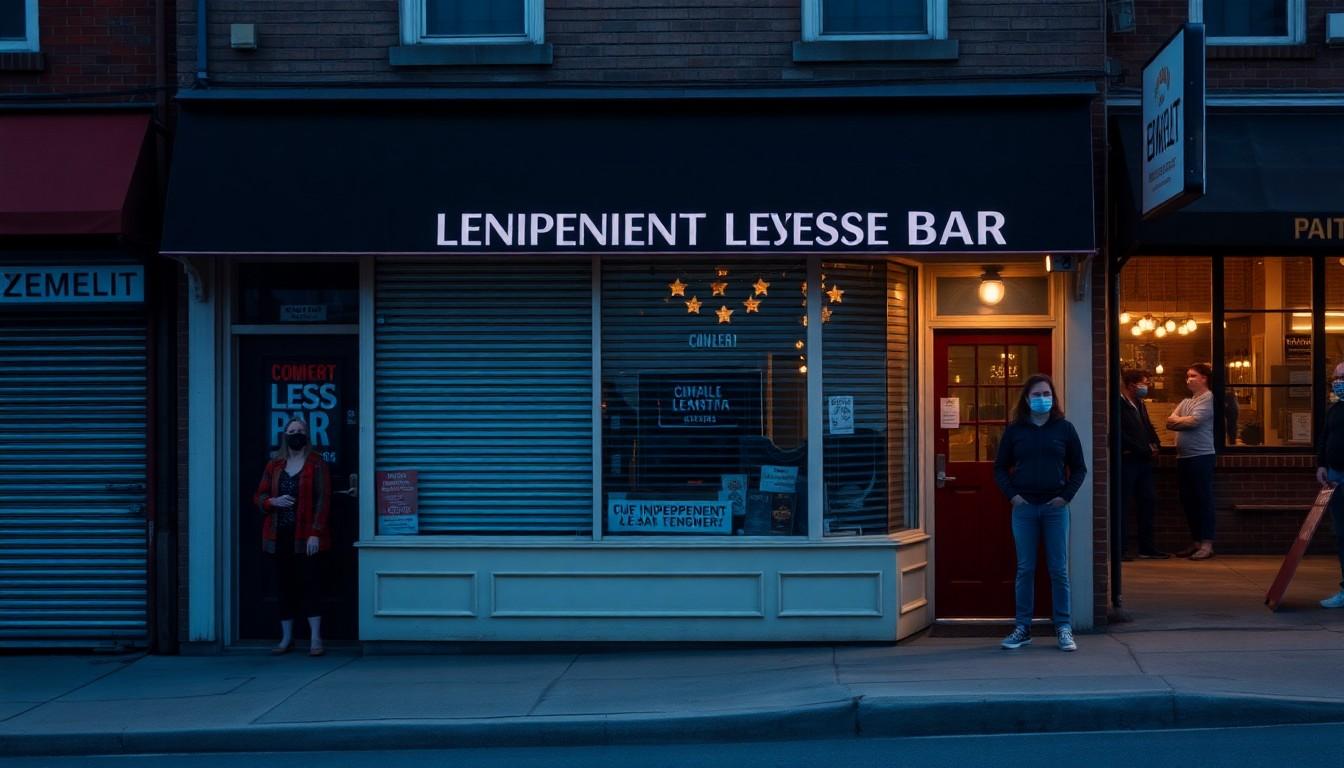
Shoppers, performers and LGBTQ+ communities are watching Last Ditch in Greenfield, Massachusetts, after its decision to make masks optional one night a week triggered intense online backlash. The lesbian bar has now asked people to stop harassing a Black performer quoted in coverage, while its financial struggle highlights the fragile economics behind beloved queer venues.
Essential Takeaways
- Last Ditch is under pressure: The western Massachusetts bar is dealing with sudden national attention after changing its mask policy.
- The bar defended Soe Noire: Management said the performer had been misrepresented and was facing threats and harassment.
- Money remains central: Donations are intended to help with rent, staffing, repairs and an air purifier.
- Local support is strong: Greenfield business owners have praised the venue and hope the attention brings more customers.
- The bigger issue is survival: LGBTQ+ venues often face higher costs, smaller margins and limited financial resilience.
One small bar, suddenly under a national spotlight
Last Ditch had been trying to solve a familiar hospitality problem: how to keep a specialist venue open when every pound, dollar and Saturday night matters. Its decision to relax masking rules on one evening a week might once have been a local discussion. Instead, it became a national story almost overnight.
The controversy has focused on the tension between accessibility and survival. For immunocompromised patrons, a mask-optional night can feel like a painful loss of safe social space. For a struggling venue, though, even a modest increase in custom can make the difference between paying bills and closing the doors.
Coverage from LGBTQ+ Nation and other outlets shows why the story travelled so quickly. It combines public health, queer community politics, racial justice and the increasingly precarious business of running an independent bar.
Last Ditch asks people to stop targeting Soe Noire
In its first substantial response after the story spread, Last Ditch urged followers to stop harassing Soe Noire, a gender-expansive lesbian performer and long-time collaborator. The bar said Noire had criticised its approach to accountability and repair, but hadn't called for the business to close or encouraged violence against it.
That clarification matters because online outrage can be remarkably careless. Last Ditch said reporting had blurred different comments together, leaving Noire facing threats, slurs and police reports over remarks he hadn't made. TMZ and Hoodline both reported on the backlash, although the wider dispute remains rooted in competing accounts of what was said and how it was presented.
The bar also disabled comments and closed its Google Reviews page. It's an understandable defensive move for a small team, but it also shows how quickly a local disagreement can become an unmanageable digital pile-on.
Why the mask decision has hit such a nerve
Mask policies carry a particular emotional weight in queer spaces, where many people found community and safety during years of disruption. A venue that remains consistently masked can offer rare reassurance, especially to people living with long-term illness or who are otherwise vulnerable.
At the same time, hospitality businesses need customers who feel comfortable attending. Local owners told the Greenfield Recorder that small businesses are making difficult compromises simply to stay open, and that Last Ditch's one-night change shouldn't be viewed in isolation from rent, staffing and energy costs.
That doesn't settle the argument. It does make the choice more complicated than a simple clash between considerate customers and an uncaring owner. The hard part is finding a policy that communicates clearly, gives people meaningful choice and doesn't push the venue towards collapse.
The bar's finances reveal the real crisis
Behind the headlines is an unusually stark financial picture. Owner Jackie Matellian has reportedly been living out of a truck while working several jobs and repaying the loan that helped launch Last Ditch. Staff and owners have also contributed volunteer labour, according to local reporting.
An online fundraiser is seeking money for overdue rent, staffing, building repairs, facilities work and a commercial air purifier. Donations have arrived from far beyond Massachusetts, with comments noting support from as far away as London. That international response is touching, but it also underlines how dependent small queer venues can become on goodwill.
As the Recorder reported, local leaders worry about whether the bar can withstand the attention as well as the criticism. A viral moment may bring new visitors, but it can also generate moderation costs, reputational damage and a flood of hostile messages. Not every headline pays the electricity bill.
Can attention help rather than harm?
Some Greenfield business owners hope the publicity will bring Last Ditch more customers. One local retailer described the bar as a new kind of micro-influencer, suggesting that national curiosity could translate into actual footfall for both the venue and the town.
That outcome is possible, but it depends on what happens next. Supporters who want to help can donate, attend respectfully, buy from nearby businesses and avoid treating the bar or its staff as characters in an online spectacle. People with access needs can also ask practical questions directly before travelling, rather than relying on rumour.
The wider lesson is uncomfortable but useful. Queer venues need accountability, accessibility and room for disagreement, but they also need sustainable business models. Without the latter, there may be no venue left in which to have the conversation.
A little more empathy, and a lot less internet fury, would be a good place to start.
Explore ways to support queer venues without turning community conflict into a spectacle.
Source Reference Map
Story idea inspired by: [1]
Sources by paragraph: