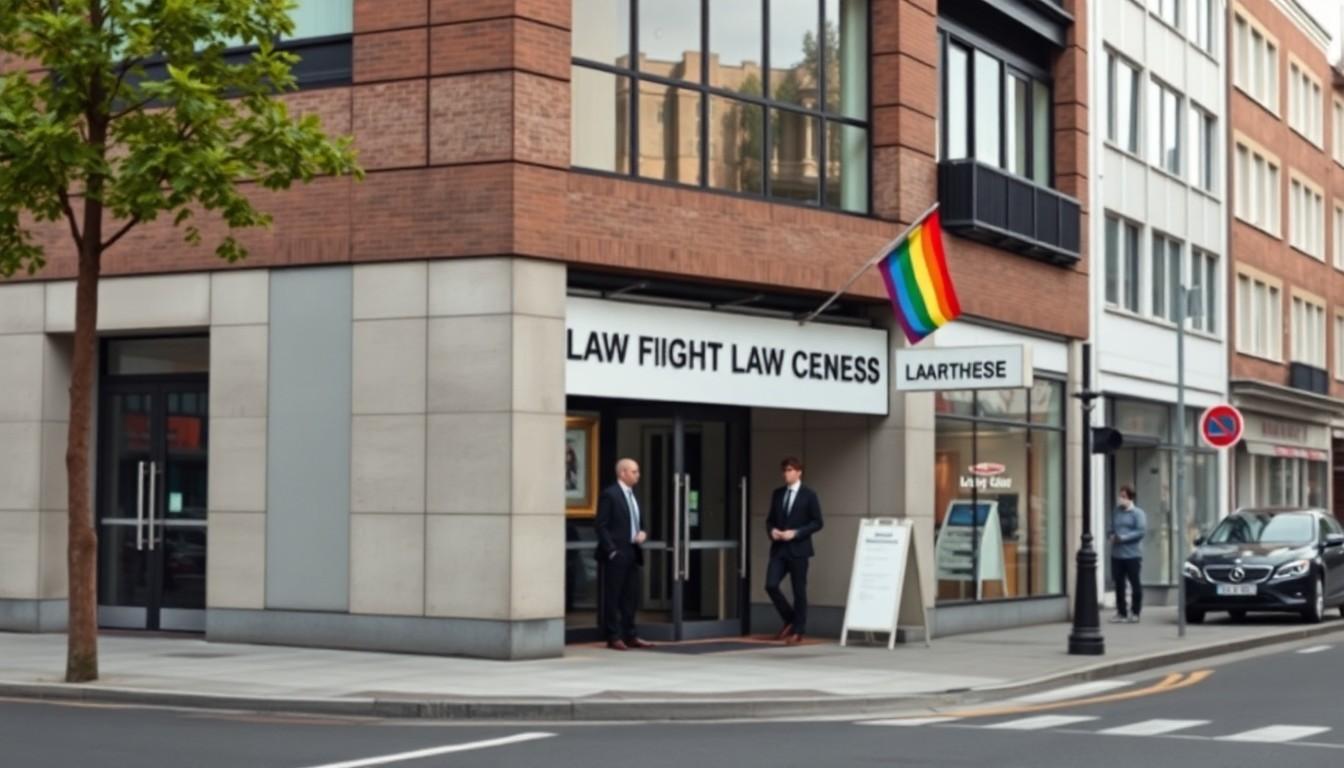
Pride events may fill UK streets with colour, but legal protection matters long after the banners come down. For LGBTQ+ employees, tenants and customers, recognising harassment, victimisation and direct discrimination can be the first step towards challenging unfair treatment. Here’s what the Equality Act 2010 covers, and what to do if something feels wrong.
Essential Takeaways
- Three common forms: Harassment, victimisation and direct discrimination can all affect LGBTQ+ people.
- Legal protection: Sexual orientation and gender reassignment are protected characteristics under the Equality Act 2010.
- “Banter” still counts: Homophobic or transphobic jokes may become unlawful harassment if they create an offensive or hostile environment.
- Complaints are protected: Punishing someone for raising a discrimination concern may amount to victimisation.
- Keep a clear record: Dates, messages, witnesses and decisions can help establish what happened.
Protection goes beyond Pride month
The Equality Act 2010 protects people from discrimination linked to sexual orientation and gender reassignment across areas including employment and services. Government guidance also explains that discrimination law can apply when someone is treated unfairly because of a protected characteristic, or because others believe they have one.
That matters because LGBTQ+ discrimination isn't limited to dramatic incidents. A quiet refusal to provide a service, an unfair workplace decision or repeated comments disguised as humour can all have a serious impact. The law is there for everyday situations, not just headline-making disputes.
When jokes become harassment
Harassment generally involves unwanted conduct related to a protected characteristic that violates someone's dignity or creates an intimidating, hostile, degrading, humiliating or offensive environment. Acas notes that the effect of conduct matters, and behaviour presented as a joke isn't automatically harmless.
In practice, that could include homophobic or transphobic remarks, intrusive questions, mocking someone's identity or repeatedly using offensive language. One comment may be enough in some circumstances, while a pattern of behaviour can make the overall environment especially difficult to ignore.
The crucial point is that intent isn't the only consideration. Someone may say they were “only joking”, but that doesn't settle whether the conduct was unwanted or damaging.
Victimisation can follow a complaint
Victimisation is different from the original discriminatory act. It can arise when someone suffers a disadvantage because they've carried out a protected act, such as making a discrimination complaint, supporting another person's complaint or giving evidence.
At work, that might look like being overlooked for opportunities, demoted or dismissed after raising an issue. In other settings, it could involve being refused a service or treated less favourably after challenging alleged discrimination. Acas describes this as a form of protection designed to ensure people aren't punished for asserting their rights.
That safeguard is important. Without it, people could reasonably fear that speaking up would make matters worse, leaving poor behaviour unchallenged.
Direct discrimination can affect jobs and services
Direct discrimination occurs when someone is treated less favourably because of a protected characteristic. The Equality and Human Rights Commission says the Equality Act covers discrimination in several areas of daily life, including employment and access to services.
Examples might include rejecting a job applicant because they're gay, refusing to serve a customer because of their sexual orientation or treating a trans person unfairly during a workplace process. The detail of each case matters, including what decision was made, why it was made and how comparable people were treated.
It's also worth remembering that discrimination doesn't always announce itself. A vague explanation, sudden change in treatment or inconsistent workplace decision can be a reason to ask sensible questions and preserve the paperwork.
What should you do if it happens?
Start by making a calm, dated record. Note what was said or done, who was present, where it happened and what changed afterwards. Save emails, messages, meeting notes and relevant policies, and avoid editing original documents where possible.
You may choose to raise the issue informally, use an employer's grievance procedure or seek advice from Acas, a trade union, Citizens Advice or a discrimination solicitor. The government advises people to understand their rights and consider the available routes, while deadlines can apply to formal claims, so waiting too long may reduce your options.
For employers and service providers, the lesson is equally practical: clear policies, effective training and a prompt response to complaints can prevent a bad situation from becoming a bigger one. A workplace should feel safe without anyone having to calculate whether every comment is worth challenging.
Knowing the difference between harassment, victimisation and direct discrimination won't solve every dispute, but it can make the next step clearer.
It's a small piece of knowledge that can make speaking up feel less daunting.
Source Reference Map
Story idea inspired by: [1]
Sources by paragraph:
- Paragraph 1: [2], [3]
- Paragraph 2: [4], [5]
- Paragraph 3: [6], [7]
- Paragraph 4: [3], [5]
- Paragraph 5: [6], [7]
- Paragraph 6: [2], [4]
- Paragraph 7: [3], [5]
- Paragraph 8: [6], [7]
- Paragraph 9: [2], [3]
- Paragraph 10: [4], [5]
- Paragraph 11: [6], [7]
- Paragraph 12: [2], [3]
- Paragraph 13: [4], [5]
- Paragraph 14: [2], [6]
- Paragraph 15: [3], [7]
- Paragraph 16: [2], [5]
- Paragraph 17: [3], [6]
- Paragraph 18: [4], [7]
- Paragraph 19: [2], [3]
- Paragraph 20: [5], [6]