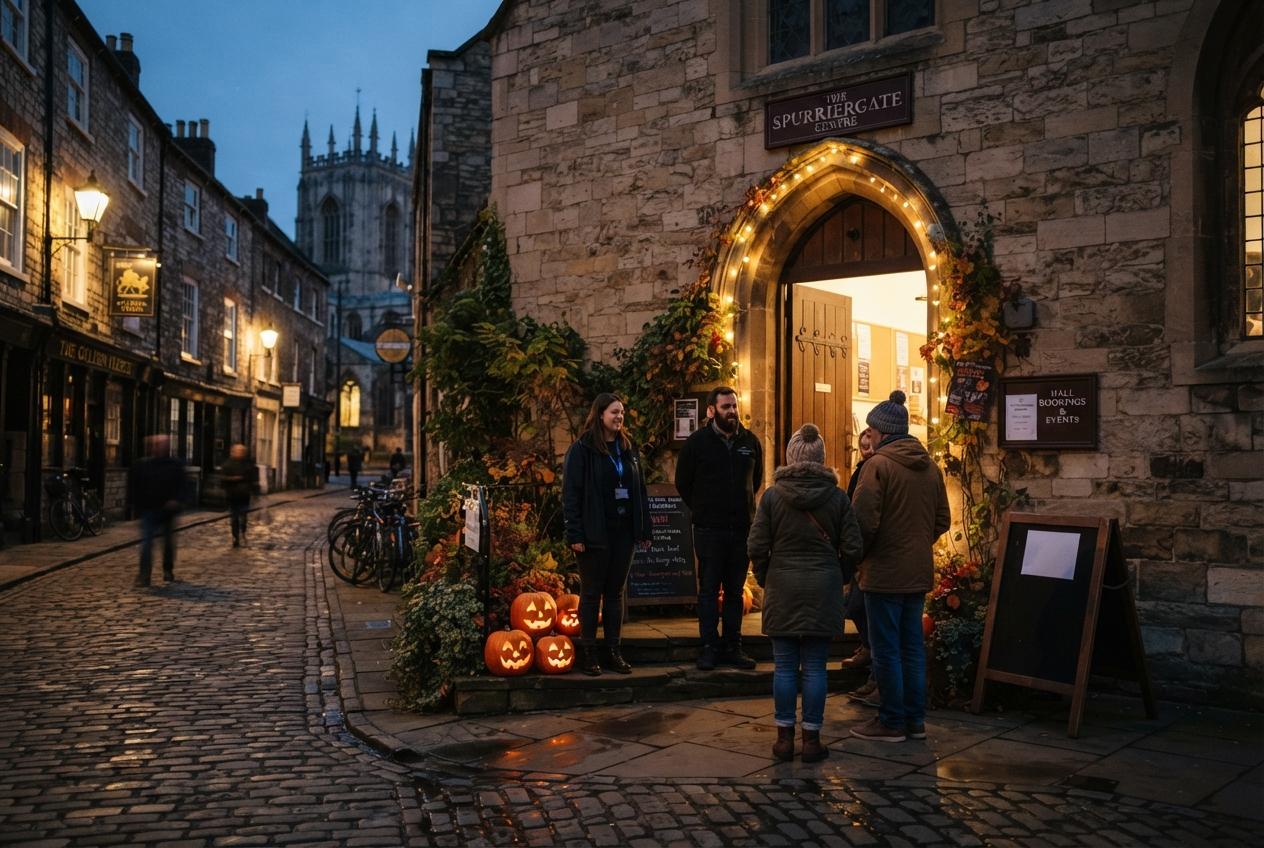
Organisers in York are seeking permission for two Halloween nights featuring RuPaul's Drag Race and Big Brother stars, but concerns over noise, underage drinking and late-night disorder could shape the decision. The case also highlights why the city's LGBTQ+ community sees Little J as an important safe space.
Essential Takeaways
- Two-night proposal: Little J wants to host Halloween events running into the early morning at its North Street venue.
- Star entertainment: The programme is expected to include Charra Tea from RuPaul's Drag Race and Sam Ashby from Big Brother 2025.
- Council concerns: Officials say noise-control plans and age-verification measures aren't detailed enough.
- Police objection: Officers oppose alcohol sales until 4am in an area already affected by late-night crime and antisocial behaviour.
- Community value: Supporters describe the venue as a vital LGBTQ+ social space in York.
York Halloween events could run until dawn
Halloween in York could be a very late affair this year, with Little J applying to stage events from 7pm until 4am on one night and 5am on the next. The North Street venue's plans include music, comedy, dancing and spoken-word performances, giving the proposal a distinctly full-programme feel rather than a simple club night.
The headline acts are likely to draw attention. Charra Tea, known from RuPaul's Drag Race, and Sam Ashby, who appeared on Big Brother 2025, are both listed among the performers. For fans, it's an appealing mix, but the timing places the events firmly in the territory where licensing details matter most. (York Press)
Why are officials worried about noise?
The main sticking point is sound. Council officers say the building is old, its soundproofing performance is uncertain, and nearby flats and hotels could be affected by entertainment continuing into the early hours.
York's guidance for pubs and clubs makes clear that licensed premises must take reasonable steps to prevent noise becoming a nuisance. That can include managing doors and windows, controlling amplified music and responding promptly to complaints. In a compact city-centre setting, even a muffled bassline can travel further than operators expect. (City of York Council)
Little J's application reportedly says a solution is needed, but public protection officials say the venue hasn't offered the specific controls required under an earlier licensing decision. That gap is significant: a general promise to be considerate is less persuasive than a practical plan covering sound checks, monitoring and a named person responsible overnight. (York Press)
Alcohol sales and age checks add another hurdle
Noise isn't the only issue facing the application. Officials also say the proposal doesn't explain how the venue would prevent alcohol being sold to underage customers, while police are opposed to alcohol sales until 4am in an area already associated with alcohol-related crime and antisocial behaviour.
Age verification is a basic but crucial part of any late-night event plan. Organisers generally need a clear approach covering entry checks, accepted identification, staff training and what happens when a customer can't prove their age. The details may sound unglamorous, but they're often what separates a workable event from a licensing headache. (York Press)
North Yorkshire guidance on licensed premises also emphasises the need to manage noise and wider neighbourhood impacts. For a venue applying for exceptional late hours, regulators are likely to examine the whole operating model, not just the entertainment line-up. (North Yorkshire Council)
Little J's bigger role in York's LGBTQ+ nightlife
The application comes after earlier arguments about Little J's opening hours and operating conditions. The venue is understood to be the only establishment of its kind in North Yorkshire, and local LGBTQ+ supporters have previously said they need a place where they can socialise without the fear of homophobic abuse.
That community role gives the licensing debate an emotional dimension. Residents and regulators are focused on noise, safety and cumulative late-night pressure, while supporters are thinking about belonging and personal security. Both concerns are real, which is why the conversation is more complicated than a straightforward yes-or-no decision. (YorkMix)
Supporters rallied behind Little J during an earlier dispute, including a protest in favour of the venue. The concern was that restrictions or closure could remove one of the few dedicated spaces where LGBTQ+ people can meet in a welcoming atmosphere after dark. (YorkMix)
What happens next for the Halloween application?
The application is due to go before councillors at a licensing hearing on Tuesday, September 29. Members will need to weigh the proposed entertainment against the practical safeguards offered by the venue, as well as the wider impact of another late-night operation in York's cumulative impact area.
That usually means the most useful evidence will be specific and measurable. Noise-management arrangements, door supervision, age checks, dispersal plans and communication with nearby residents could all influence how the application is received. If the event proceeds, neighbours will understandably want reassurance that the party won't simply spill into the surrounding streets when the music stops. (City of York Council)
For Little J, the stakes appear higher than one Halloween weekend. Previous reporting has shown how disagreements over licensing conditions can quickly become an existential issue for a small specialist venue. The challenge now is to demonstrate that a safe LGBTQ+ night-time space and responsible late-night management can coexist. (YorkMix)
The decision could set the tone for how York balances nightlife, neighbourhood peace and the need for inclusive spaces.
It's a small licensing hearing with a much bigger question behind it: what should a safe, welcoming city night out look like?
Source Reference Map
Story idea inspired by: [1]
Sources by paragraph: