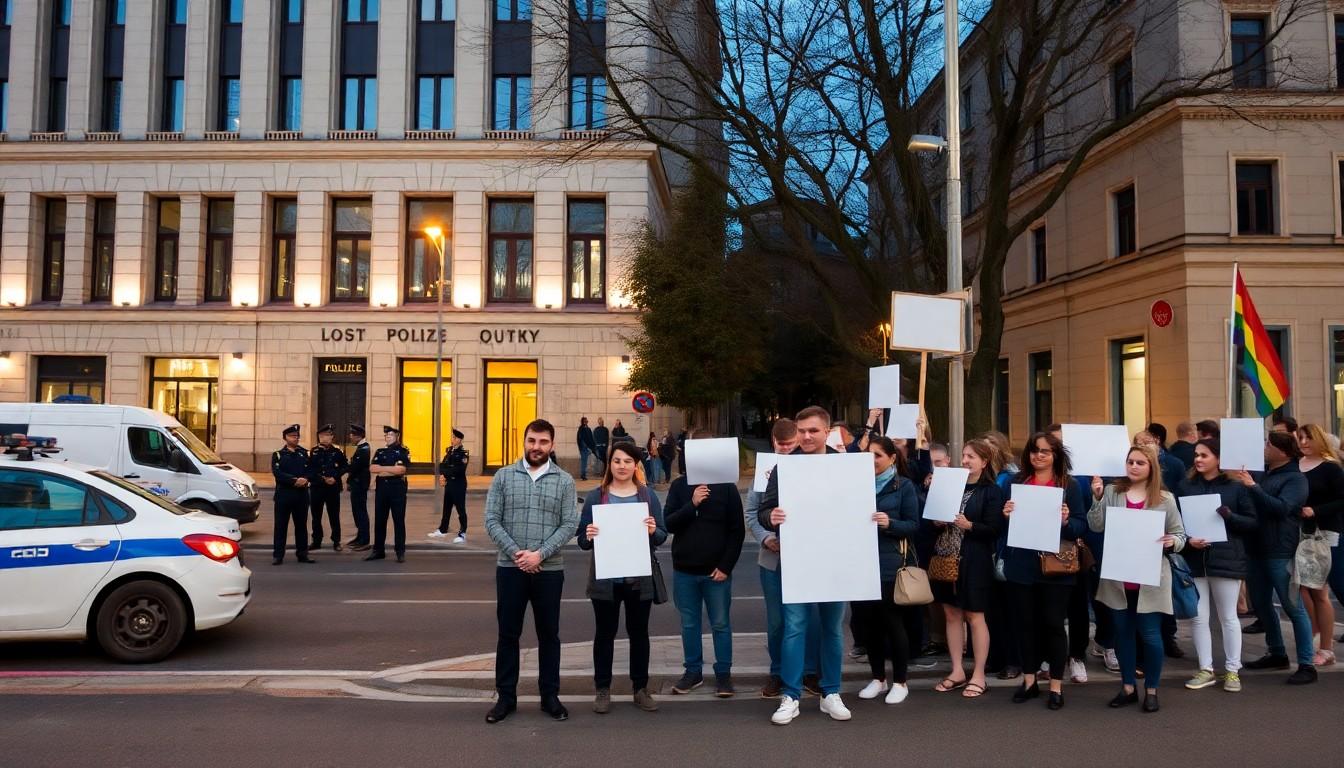
Campaigners are urging Meta and X to restore blocked Turkish LGBT accounts after arrests, raids and legal action widened across the country. The crackdown has drawn warnings from Amnesty International, Human Rights Watch and youth groups, while President Recep Tayyip Erdogan has framed LGBT rights as a threat to children and traditional families.
Essential Takeaways
- Online restrictions: Accounts linked to LGBT organisations, journalists and rights defenders have reportedly been blocked.
- Growing legal pressure: Activists say more than 100 people face arrest, investigation or prosecution.
- International concern: Human rights groups warn the campaign threatens both LGBT rights and the rule of law.
- Corporate responsibility: A petition is calling on Meta and X to challenge censorship orders and publish greater transparency.
- The wider fear: Supporters say silencing community groups makes it harder for people to find legal, medical and emotional help.
Turkey's crackdown moves from streets to screens
The most immediate change for many Turkish LGBT people has been digital. Accounts belonging to organisations including Kaos GL and SPoD were reportedly blocked after a court order, cutting off access to familiar sources of advice, campaigning and community news. Euronews reported that several LGBT group accounts were restricted as arrests and questioning began.
That matters because social media isn't just a place for slogans or rainbow graphics. For people facing discrimination, it can be a quiet route to a lawyer, a support group or a safe event. When those channels suddenly disappear, the silence feels practical as well as political.
The reported restrictions also reached beyond LGBT organisations. Human rights defenders, journalists and other civil society groups were among those affected, according to Human Rights Watch. That broader sweep is why campaigners say the issue now extends beyond one community and into the basic question of who can speak publicly in Turkey.
Arrests and investigations deepen the alarm
The crackdown began with police action in September and quickly expanded into detentions and criminal investigations. Reports cited by rights groups describe more than 100 people facing legal action, with trans women making up a significant proportion of those arrested.
Some detainees have reportedly faced allegations involving prostitution, drugs, obscenity and association laws. Amnesty International has called for detained activists to be released and for authorities to end what it described as escalating pressure on LGBT rights groups.
The tone of the allegations has unsettled campaigners. Turkey's Human Rights Association and international observers have questioned the use of serious charges, including claims linked to forming a criminal organisation, against people involved in advocacy. Such accusations can carry a heavy stigma before a case has even reached court.
Erdogan's family rhetoric collides with international criticism
Against that backdrop, President Recep Tayyip Erdogan used his address to the United Nations General Assembly to condemn what he called global gender-neutralisation policies. He argued that they threatened children and the family, presenting LGBT equality as part of a wider cultural danger.
Critics say the speech left out the police raids, account restrictions and arrests taking place at home. Human Rights Watch described the campaign as a strike at the rule of law, while a joint statement from youth and human rights organisations warned that young defenders and LGBT groups were being placed under growing pressure.
That contrast is hard to miss. International speeches often aim for broad, reassuring language, but people targeted by domestic enforcement experience politics in far more intimate ways, through a blocked account, a late-night search or a friend suddenly in custody.
Why Meta and X are facing pressure
The new petition, backed by All Out alongside the Council for Global Equality, Outright International and GLAAD, puts the spotlight on Meta and X. Its central argument is straightforward: platforms that present themselves as defenders of free expression shouldn't quietly carry out government censorship without explaining what happened or challenging questionable orders.
Campaigners want the companies to restore the affected accounts, contest blocking requests in court and publish a transparency report covering demands made by Turkish authorities. They also want a clear explanation for users whose pages vanished, rather than the familiar digital shrug that leaves everyone guessing.
The companies face a difficult balance. Platforms must comply with lawful court orders, but compliance doesn't have to mean silence about the process. A visible legal challenge, a public explanation or even detailed reporting could make it harder for authoritarian governments to use private technology firms as invisible extensions of state control.
What happens next for Turkish LGBT groups?
The immediate outlook remains tense. Amnesty International and other rights organisations are calling for an end to prosecutions and the release of detained activists, while campaigners continue to document the effects of the restrictions.
For readers trying to understand the story, the key detail is that this isn't only about online visibility. The combination of arrests, financial scrutiny, blocked accounts and hostile political language can weaken the organisations people rely on for support, advocacy and legal guidance.
The petition offers one route for public pressure, but the larger test will be whether Turkish courts, international institutions and technology companies treat these cases as isolated content disputes or as part of a wider assault on civil society. For the people living through it, that distinction is anything but academic.
It's a small online action set against a much larger fight over safety, visibility and free expression.
Source Reference Map
Story idea inspired by: [1]
Sources by paragraph:
- Paragraph 1: [5], [6]
- Paragraph 2: [3], [4]
- Paragraph 3: [2], [7]
- Paragraph 4: [2], [3]
- Paragraph 5: [3], [4]
- Paragraph 6: [2], [7]
- Paragraph 7: [3], [5]
- Paragraph 8: [2], [6]
- Paragraph 9: [3], [4]
- Paragraph 10: [5], [7]
- Paragraph 11: [2], [3]
- Paragraph 12: [2], [4]
- Paragraph 13: [3], [6]
- Paragraph 14: [2], [7]
- Paragraph 15: [3], [4]
- Paragraph 16: [2], [3]