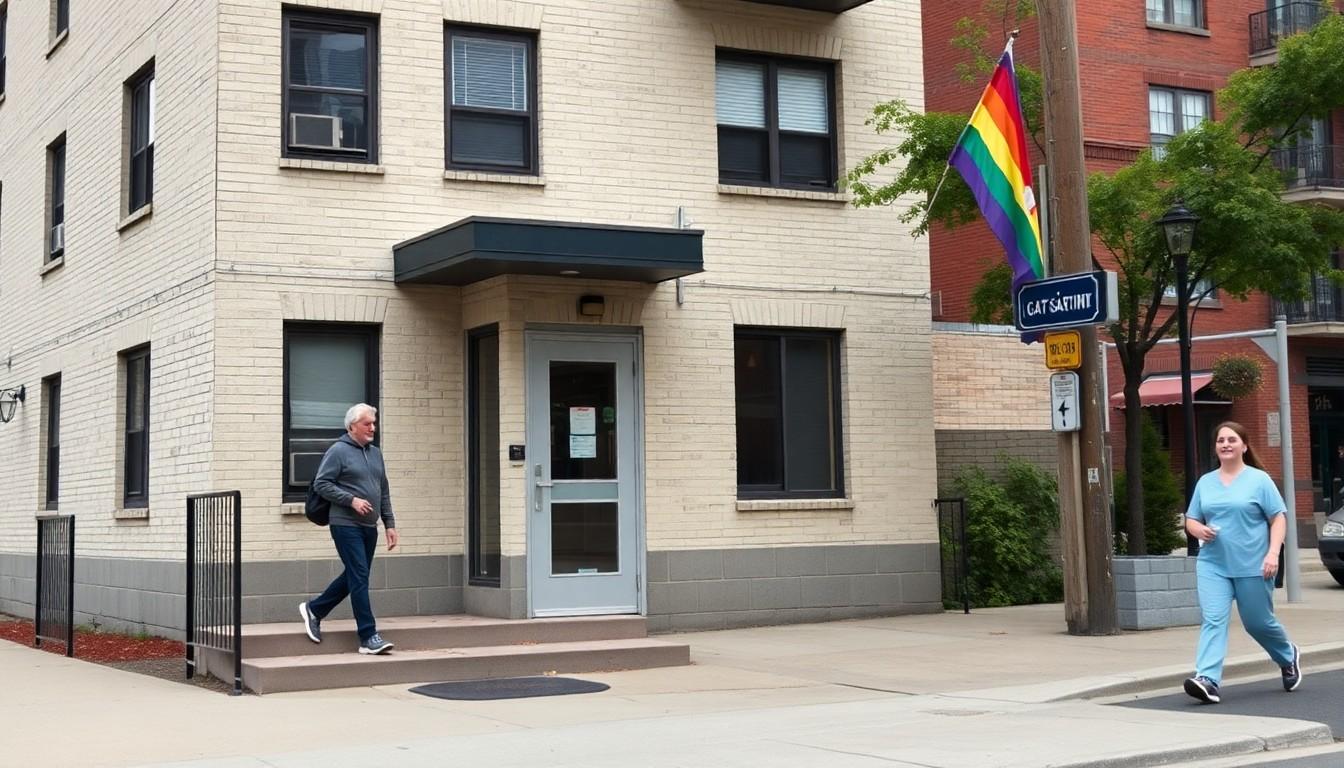
A Pittsburgh LGBTQ+ blogger is reassessing the future of a 21-year archive after divorce-related housing and healthcare concerns threatened to derail its preservation. The carefully documented record of local queer life may be secured or temporarily hidden, but the message is clear: protecting the person behind the archive has to come before preserving the platform.
Essential Takeaways
- A significant record: The archive spans more than two decades of LGBTQ+ life in Pittsburgh and includes hundreds of personal stories, interviews and memorials.
- Preservation is planned: The blogger hopes to work with specialist professionals to reorganise and prepare the material for a permanent home.
- Security comes first: If housing becomes unstable, the website and social accounts may be locked down while the content remains safely stored.
- Support has a clear focus: Readers are being asked to help with housing, healthcare and practical needs rather than offering unsolicited technical solutions.
- Monetisation isn't the priority: The blog has value, but its creator says turning it into a commercial operation would undermine its original purpose.
A 21-year record of queer life faces an uncertain pause
The scale of the archive is easy to underestimate. It isn't simply a personal blog with old posts gathering digital dust, but a living record of LGBTQ+ life in Pittsburgh, built through first-person testimony, political interviews, cultural coverage and community reporting.
Its material includes more than 300 stories in the #AMPLIFY collection, conversations with elected officials, arts and culture interviews, coverage of Pride and Dyke March events, and hundreds of memorials for trans people killed through violence. According to the blog's update, much of that record captures a particularly important period, from the mid-2000s through the rise of mainstream social media. [2]
That gives the site an almost tactile historical quality. It charts how activism, publishing and community memory moved from independent blogs to Facebook, Twitter and subscription newsletters, while retaining the direct, sometimes gloriously untidy voice of grassroots media. [3]
Why the preservation project has had to change
The original ambition was substantial: bring in a queer archivist, graphic designer and web designer, then spend roughly a year recoding, reorganising and preparing the material for long-term preservation. A previous grant from The Pittsburgh Foundation had already supported an earlier, smaller archiving effort. [4]
But divorce, possible homelessness and uncertainty around healthcare have changed the order of priorities. The blogger's argument is practical rather than dramatic: there is little point designing an elegant digital archive if the person responsible for it lacks safe housing, reliable healthcare or secure access to their own devices. [5]
That may sound obvious, yet digital preservation often encourages people to focus on files, platforms and repositories while overlooking the human labour holding everything together. Here, the archive's future is inseparable from the creator's wellbeing.
What happens if the blog goes offline?
A contingency plan is already in place with the webmaster. If the blogger becomes street homeless or enters shelter accommodation, the site can be secured, maintained and replaced with a static explanation. Social accounts may also be made private, with short notices added to their profiles. [6]
The content would still be preserved, but readers could temporarily lose access to the stories, interviews and memorials that make the archive valuable. That distinction matters. Safe storage protects the material from hacking or accidental loss, but it doesn't provide the same public benefit as an open, searchable collection. [2]
The plan also recognises a less glamorous risk: devices and data need somewhere secure to live. A laptop can't be carried around constantly, and unstable access to Wi-Fi, phones or storage equipment can quickly turn an administrative problem into a preservation crisis.
Could selling or monetising the archive be the answer?
The blogger acknowledges that the website has financial value. It has more than 21 years of evergreen material, established search visibility and numerous incoming links, all of which could interest a buyer or commercial operator. If a sale funded a year of housing or health insurance, the decision might become unavoidable. [3]
Still, monetisation isn't presented as an easy fix. Advertising has previously interfered with the site's mechanics, while building a serious revenue model would require months of research, search-engine optimisation and commercial negotiation. That would be a sizeable new workload for someone already managing disability, treatment and an escalating personal crisis. [4]
There is also a philosophical boundary. The blog began as community organising and a labour of love, not as a content business. The creator accepts limited compensation for some performance reviews, usually through tickets, but doesn't want to introduce paid tiers or reshape the publication around the idea that every piece of community work must become transactional. [5]
The most useful support is personal, not clever
The appeal to readers is unusually direct: help the blogger before trying to rescue the blog. That could mean donating, offering a lift, sharing a meal or making a phone call, rather than sending more archive recommendations or proposing a new hosting arrangement. [6]
Subscribers and social followers also matter because audience numbers can strengthen future funding applications. The blogger has listed recurring donations and fundraising channels, while stressing that the existing technical arrangements are already understood and that unsolicited solutions aren't needed. [7]
It is a useful lesson for anyone caring for a community archive. Preservation isn't only about keeping data intact; it's about sustaining the person, relationships and resources that allow the work to remain meaningful. For now, the archive's best protection may simply be giving its creator enough stability to continue the plan.
The future could still be encouraging, particularly if housing remains secure and a renewed grant application succeeds. But the immediate priority is refreshingly clear: no archive should be saved by sacrificing the person who built it.
It's a small but vital reminder that preserving community history starts with protecting the people who make it.
Source Reference Map
Story idea inspired by: [1]
Sources by paragraph: