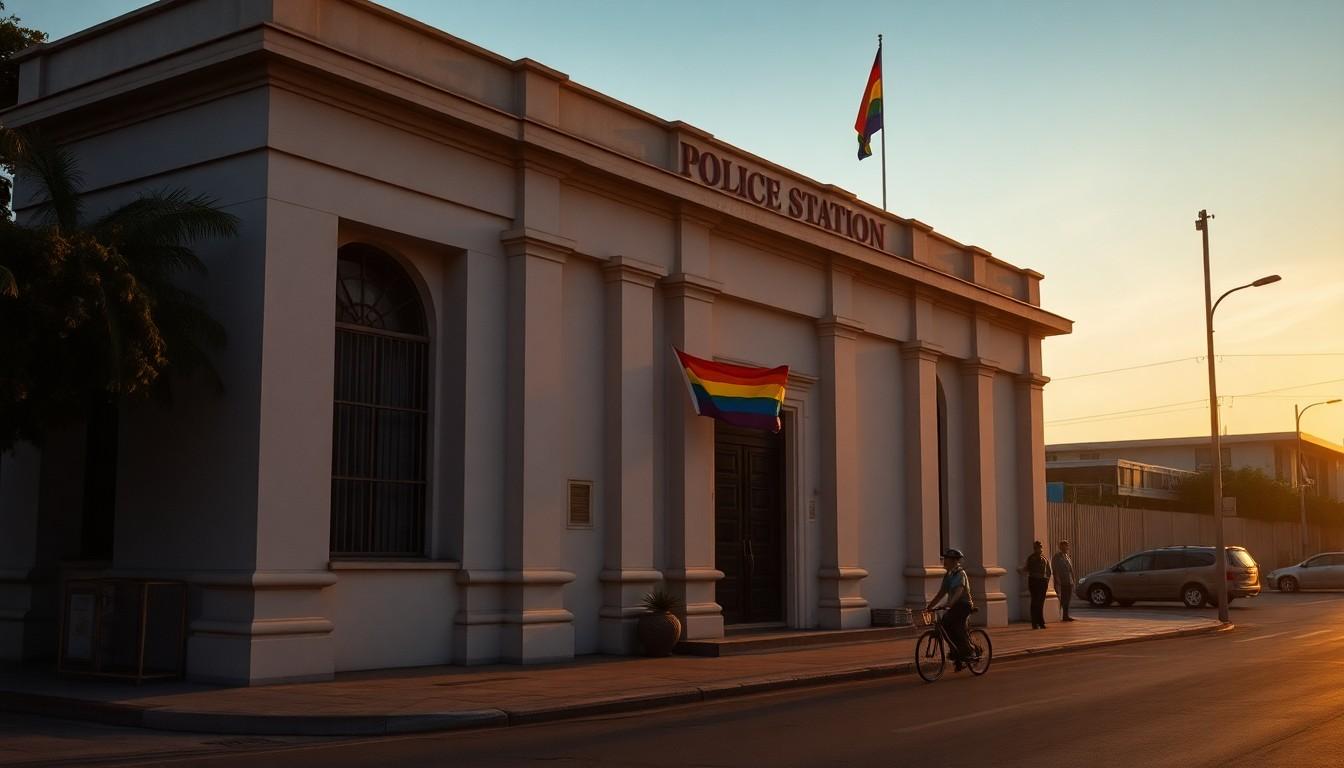
Human rights groups and victims’ lawyers are demanding stronger accountability after 33 men were allegedly detained, threatened and extorted during a police operation at a sauna in Barquisimeto, Venezuela. The case has drawn renewed attention to institutional homophobia, weak protections and the urgent need for proper investigations.
Essential Takeaways
- Alleged raid: Police entered a Barquisimeto sauna and detained 33 men during a May operation.
- Threats and extortion: Victims were reportedly pressured to contact relatives for money and threatened with exposure.
- Six officers convicted: Six identified officials received five-year prison sentences, according to reports.
- Legal challenge: The victims’ lawyer says charges including extortion and hate-related discrimination were excluded.
- Wider concern: LGBTIQ+ advocates warn the incident reflects a broader pattern of criminalisation and abuse.
A police operation that left 33 men terrified
The incident began in the late afternoon, when a large group of officers from Venezuela’s Bolivarian National Police reportedly entered a sauna in Barquisimeto, Lara state. Some were allegedly wearing civilian clothes, and the operation was presented as a conventional police procedure.
According to La Prensa de Monagas, more than 30 men were detained at the premises. Reports say officers confiscated mobile phones and other belongings, leaving those inside cut off from relatives and the outside world. The atmosphere, by all accounts, quickly shifted from confusion to fear.
The men were allegedly insulted because of their sexual orientation and threatened with criminal charges, despite homosexuality not being a crime. Several were reportedly ordered to call family members and request money in exchange for their release, while some were threatened with having their identities or orientation revealed.
Why the five-year sentences are being challenged
Henderson Maldonado, the lawyer representing the victims, says six officers were arrested and later admitted responsibility. They were sentenced to five years in prison for offences including coercion, unlawful entry, illegal deprivation of liberty, and inhuman or degrading treatment.
The legal team and prosecutors have appealed, arguing that the punishment doesn't reflect the alleged conduct. As reported by La Nacion, the case prompted a formal investigation by Venezuela's Public Prosecution Service, while other coverage described proceedings against officers linked to the raid.
Maldonado says the prosecution didn't include charges for extortion, short-term kidnapping, criminal association or discrimination under Venezuela's Law Against Hate. Those omissions matter because they could substantially affect both the seriousness of the case and the potential sentence.
Advocates see a wider pattern, not an isolated incident
LGBTIQ+ organisations say the Barquisimeto case should be viewed against a difficult national backdrop. Liberty Venezuela reported warnings from rights groups about the criminalisation of LGBTIQ+ people following the operation, while other coverage highlighted concern over the treatment of those detained.
The central worry is that laws intended to protect people from discrimination can be applied unevenly or distorted into tools of control. For many people in the community, that creates an unsettling contradiction: legal protections exist on paper, but their practical value depends on how police, prosecutors and courts interpret and enforce them.
No Mas Discriminacion, an organisation focused on equality and anti-discrimination work, reflects the broader demand for stronger safeguards and public accountability. A law is only reassuring when people can rely on it in a frightening moment, not merely point to it afterwards.
What happens next in the case?
The victims' representatives are seeking a fuller review of the evidence and the charges. They also say some officers allegedly involved in the operation, including senior figures, have not faced the same legal process and may have evaded arrest.
That leaves several important questions unanswered. Was the operation authorised, who planned it, how many officers took part, and why were the allegations of extortion and discriminatory abuse not fully reflected in the initial case? Those questions will shape whether the proceedings are seen as genuine accountability or a limited response to a deeply serious incident.
Reports from La Verdad said six police officers were deprived of their liberty in connection with the case, while Alertas24 described an investigation into officers accused of unlawful entry and extortion. The differing emphasis in coverage underlines why transparent proceedings and clear public information are so important.
Protection must extend beyond the courtroom
The lawyer has also described threats and harassment affecting him and some victims' relatives after the court hearing. That alleged intimidation adds another layer of concern, particularly for people who may already fear being publicly identified or targeted.
LGBTIQ+ advocates are calling for coordinated work involving prosecutors, courts, public defenders, human rights bodies and security agencies. Training is part of that solution, but so are independent oversight, safe reporting channels and meaningful protection for witnesses and victims.
The case has become a test of whether institutions will treat discriminatory police abuse as a serious rights violation rather than a narrow procedural offence. For the 33 men involved, justice means more than a sentence. It means recognition of what allegedly happened, protection from retaliation and confidence that it won't happen again.
Justice will depend on whether accountability reaches every level of the operation.
Source Reference Map
Story idea inspired by: [1]
Sources by paragraph:
- Paragraph 1: [2], [6]
- Paragraph 2: [3], [4]
- Paragraph 3: [6], [7]
- Paragraph 4: [3], [4]
- Paragraph 5: [2], [7]
- Paragraph 6: [5], [2]
- Paragraph 7: [4], [7]
- Paragraph 8: [3], [4]
- Paragraph 9: [7], [4]
- Paragraph 10: [2], [5]
- Paragraph 11: [3], [7]
- Paragraph 12: [4], [5]
- Paragraph 13: [2], [6]
- Paragraph 14: [5], [7]