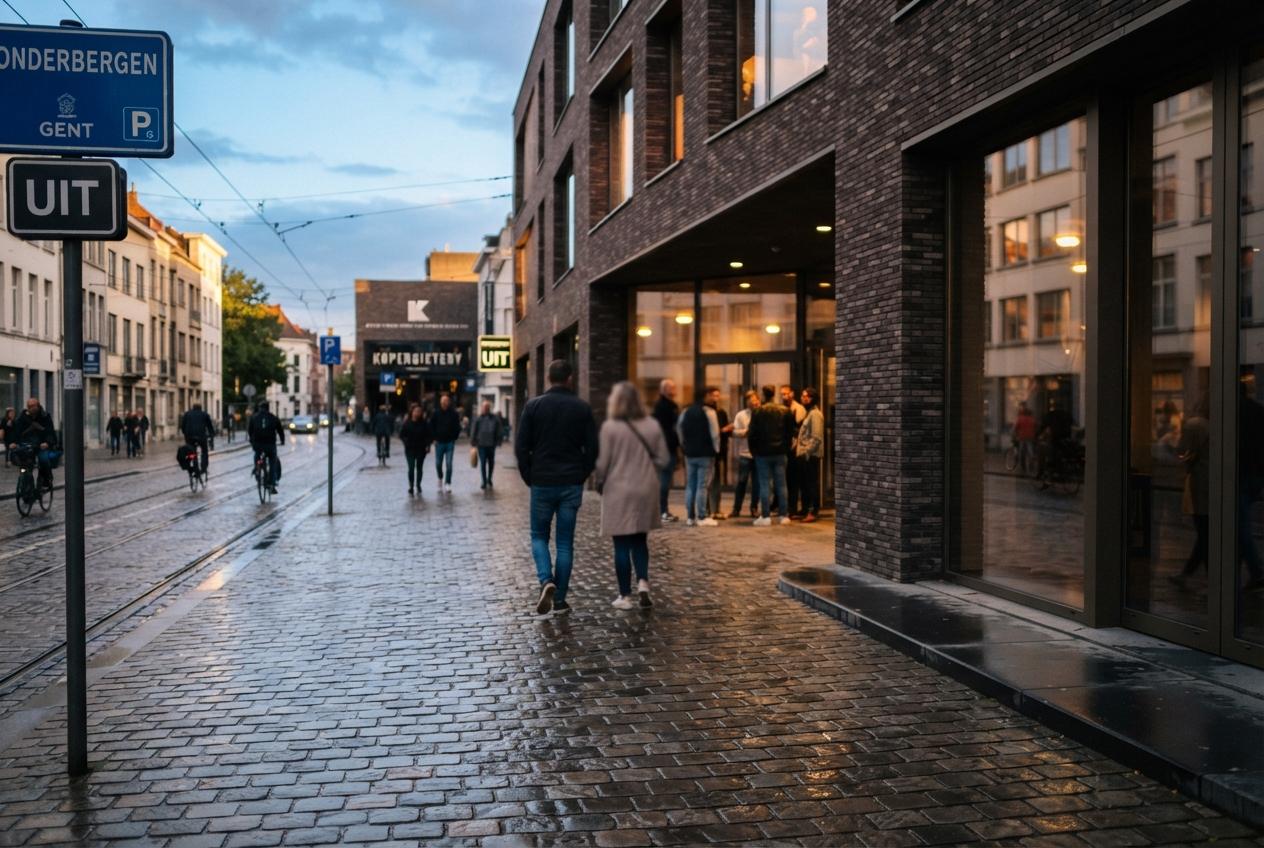
Jonatan Medart has taken down footage of an alleged homophobic confrontation in Gent, saying the video opened an important public conversation but also overwhelmed those involved. The influencer says he and his partner felt trapped as teenagers shouted remarks at them, while police reportedly began examining what happened.
Essential takeaways
- The incident: Medart says he was walking through Gent with his partner, Seppe, when a group of young people allegedly shouted homophobic comments.
- The footage: He filmed part of the confrontation and shared it online before removing the video.
- The wider debate: The post prompted discussion about homophobia, public safety and the risks of identifying people online.
- Police attention: Reports say police in Gent opened an investigation into the incident.
- Medart's message: He urged people to challenge discrimination, support friends and continue the conversation safely.
A night out in Gent turned deeply uncomfortable
What began as an evening in Gent ended with Jonatan Medart describing a frightening sense of being cornered. The content creator had attended the De Wijste Gentenaar awards before heading into the city with his partner, Seppe, according to reports from Showbizzsite and other Belgian media.
Medart said a group of young people began making homophobic remarks as the couple walked past. He recorded part of the encounter and later posted the footage, explaining that he felt uncomfortable and trapped. The incident quickly moved beyond one street, becoming a much broader conversation about how safe LGBTQIA+ people feel in public spaces.
Why Medart removed the video
The video was eventually taken offline after two people who appeared in the footage contacted Medart, saying they weren't involved in what happened. That detail appears to have influenced his decision, alongside the scale of the reaction online.
Reports from Headliner and UK Headtopics also highlighted the legal and ethical questions raised by the post. Sharing footage of an alleged confrontation can draw attention to discrimination, but it can also expose people who may have been wrongly identified or encourage online users to act as judge and jury.
That tension is uncomfortable but important. Social media can amplify a victim's experience within minutes, yet the same speed makes mistakes harder to undo.
The conversation quickly widened
Medart said he was glad the incident had prompted discussion across Belgian media, including television news and current affairs coverage. According to coverage gathered by Dagkompas, the debate also became entangled with arguments about whether homophobia should be associated with particular communities.
That framing risks missing the bigger point. Homophobia isn't the property of one background, neighbourhood or age group, and treating it as someone else's problem makes prevention harder. As Riadh Bahri's reported comments suggested, the issue deserves scrutiny across society, including among people who might prefer to point elsewhere.
For LGBTQIA+ people, meanwhile, the reaction has been both reassuring and exhausting. Public support can feel powerful, but it doesn't erase the strain of having to explain or relive an incident.
What happens when a confrontation is filmed?
Police in Gent reportedly opened an investigation after the footage circulated, according to Headliner and UK Headtopics. That means the available video and witness accounts may form part of a formal assessment rather than a verdict made online.
For anyone who witnesses a similar incident, the safest response is usually to prioritise the targeted person's immediate safety. Offer support, move away from danger, note useful details and contact emergency services if there's an immediate threat. Filming can preserve evidence, but it shouldn't put the witness or victim closer to harm.
It also pays to think carefully before posting. Blur faces where possible, avoid publishing personal details and don't present uncertain identities as fact. A post can raise awareness without turning a frightening moment into a digital pile-on.
Medart's message focuses on solidarity
After removing the footage, Medart encouraged people to keep discussing discrimination, speak out and protect their friends. His response, reported by Showbizzsite and other outlets, placed emphasis on empathy and dialogue rather than simply keeping the clip alive.
That doesn't make the reported incident less serious. If anything, it shows why the most useful response needs both compassion and care. People should be able to walk through their own city with their partner without preparing for abuse, while investigations should be allowed to establish what happened properly.
The online debate may fade, but the everyday question remains: will bystanders speak up, offer help and make public spaces feel less hostile? For many LGBTQIA+ people, that answer matters long after a trending video disappears.
A safer conversation starts with support, accuracy and standing up to discrimination.
Source Reference Map
Story idea inspired by: [1]
Sources by paragraph: