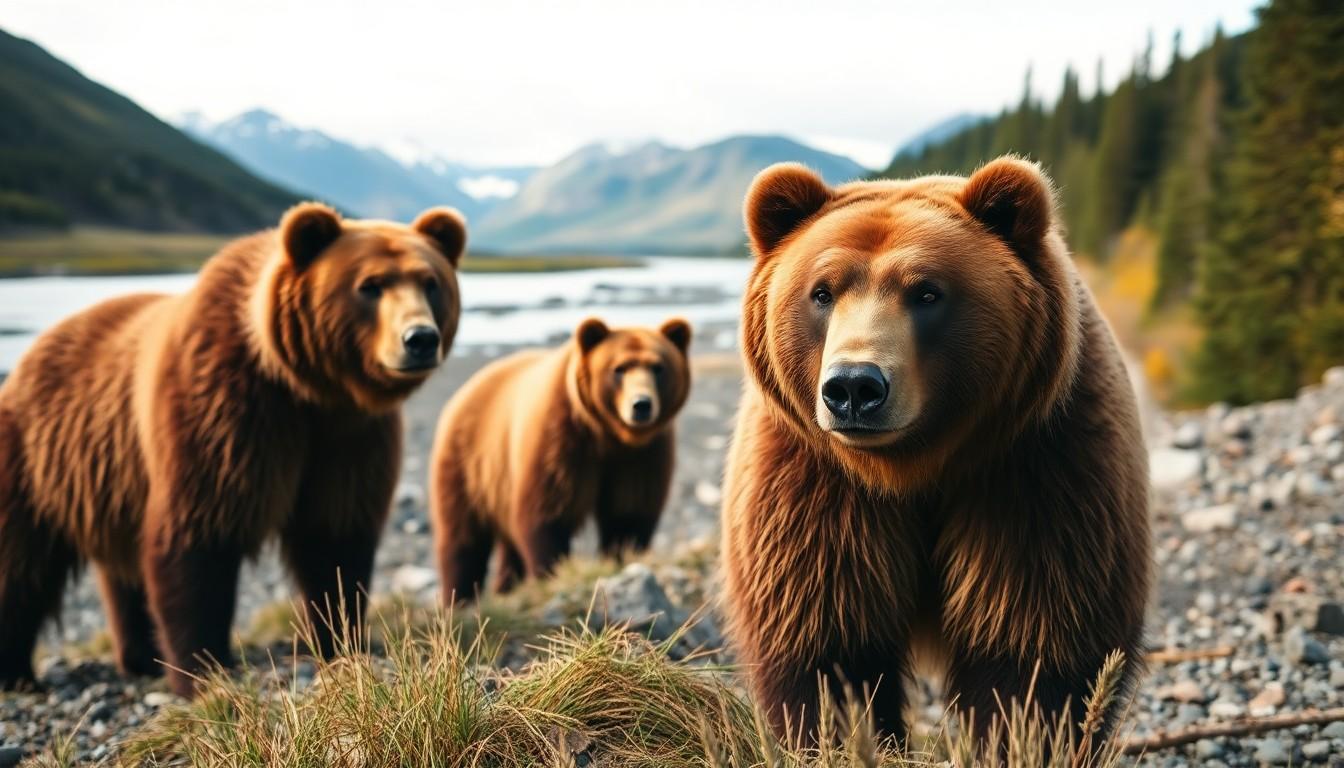
Shoppers may have fashion weeks, but nature lovers have Fat Bear Week 2026. From 22 to 29 September, Katmai National Park and Preserve in Alaska is inviting people worldwide to choose the brown bear that best captures a summer of salmon, survival and spectacular bulk. The result is part wildlife lesson, part internet tradition, and entirely delightful.
Essential Takeaways
- Sixteen contenders: Katmai's 2026 tournament features 16 brown bears in a knockout-style online vote.
- Fat means survival: Bears gorge on salmon and other food before winter, when they stop eating and can lose a substantial share of their body weight.
- A global favourite: The event has grown into an international online sensation, attracting millions of votes.
- The reigning champion returns: Chunk, known as Bear 32, is back after winning the 2025 competition.
- Look beyond the belly: The contest also highlights salmon, habitat and the wider Bristol Bay ecosystem.
The internet's favourite wildlife contest is back
Forget sleek coats and runway drama. Fat Bear Week 2026 is all about the bears that have spent summer turning abundant food into winter insurance.
At Katmai National Park and Preserve, the competition runs from 22 to 29 September. Visitors can compare seasonal images, learn about individual bears and vote online for their favourite contender. It has the cheerful feel of a popularity contest, but the underlying subject is serious: a bear's winter survival may depend on how much energy it stores before hibernation.
The National Park Service says this year's field contains 16 bears. That makes for a particularly strong bracket, with familiar faces and new personalities competing for the title.
Why a bigger bear is a healthier bear
For Katmai's brown bears, extra weight isn't a fashion faux pas. It's a valuable reserve built during a short, intense feeding season.
Salmon are central to the spectacle, although bears also make use of other available foods. As autumn approaches, they eat as much as possible before retreating for winter. During hibernation, they don't feed or drink, so the soft-looking bulk that delights voters is actually a carefully assembled survival strategy.
Reporting by The Guardian and CBS News has highlighted how the event turns this seasonal behaviour into an accessible lesson about wildlife. The before-and-after photographs make the change easy to see, while the voting format gives people a reason to follow individual bears.
In other words, the biggest belly isn't merely winning hearts. It may signal that a bear has had a successful feeding season.
Chunk is back to defend the crown
Last year's winner, Bear 32, better known as Chunk, returns in 2026 with a title to protect. That adds a little sporting tension to an event where the competitors are, thankfully, unaware of the pressure.
More than 1.7 million votes were cast from over 100 countries in the previous competition, according to coverage of the event. The figures show just how far Fat Bear Week has travelled beyond Alaska. What began as a local conservation-focused idea has become a recurring online ritual, complete with loyal supporters and strong opinions about bear rankings.
The appeal is easy to understand. There are no complicated rules for fans to master, and the photographs offer a satisfying transformation: leaner early-season animals become rounded, powerful bears with the unmistakable look of having found the buffet.
How to choose your Fat Bear Week favourite
If you're new to the contest, start with the practical question: which bear appears to have made the most of the season? Look at body shape, visible reserves and the contrast between earlier and later images rather than relying solely on a charming face.
It also helps to consider the story behind the animal. Some bears have established reputations, distinctive habits or memorable appearances, while others may be less familiar but equally impressive. The official tournament materials provide background information to help voters understand the contenders.
And don't confuse size with a simple beauty standard. Fat Bear Week is about preparation, resilience and access to food. The most impressive bear is the one that appears best equipped for the difficult months ahead.
The bigger story behind the belly
The competition works because it's entertaining, but its real value is ecological. Katmai's bears depend on healthy rivers, plentiful salmon and protected habitat. Their annual weight gain reflects the condition of that wider system.
KAXE's reporting on the 2026 event places the bears within the salmon-rich landscape that makes this seasonal transformation possible. When food is available, the bears can build reserves; when habitats are disrupted, that balance becomes harder to maintain.
There's also a pleasing cultural side note. In LGBTQ+ communities, "bear" can describe a larger, often hairy gay, bisexual or queer man, while related terms such as cub and otter have their own shifting meanings. The overlap is playful rather than scientific, but it gives Fat Bear Week an extra wink for queer audiences.
Ultimately, the charm lies in the mismatch between the solemn biology and the gleeful online commentary. These bears aren't chasing an ideal silhouette. They're doing exactly what they need to do, and the internet has decided to cheer them on.
Why Fat Bear Week keeps winning people over
The event offers a rare combination: low-stakes fun with a genuinely useful conservation message. You can pick a favourite, admire an astonishing transformation and come away knowing more about hibernation, salmon and habitat.
It also gives people a refreshing reason to celebrate bodies for what they do, rather than how neatly they fit a narrow ideal. In Katmai, a large bear isn't failing a visual test. It's prepared.
So, if you're ready to join the annual debate, browse the 2026 contenders and cast your vote before 29 September. Your chosen bear may not know you supported it, but it will still be a very satisfying way to spend a few minutes.
A bigger bear can mean a better chance of making it through winter.
Source Reference Map
Story idea inspired by: [1]
Sources by paragraph: