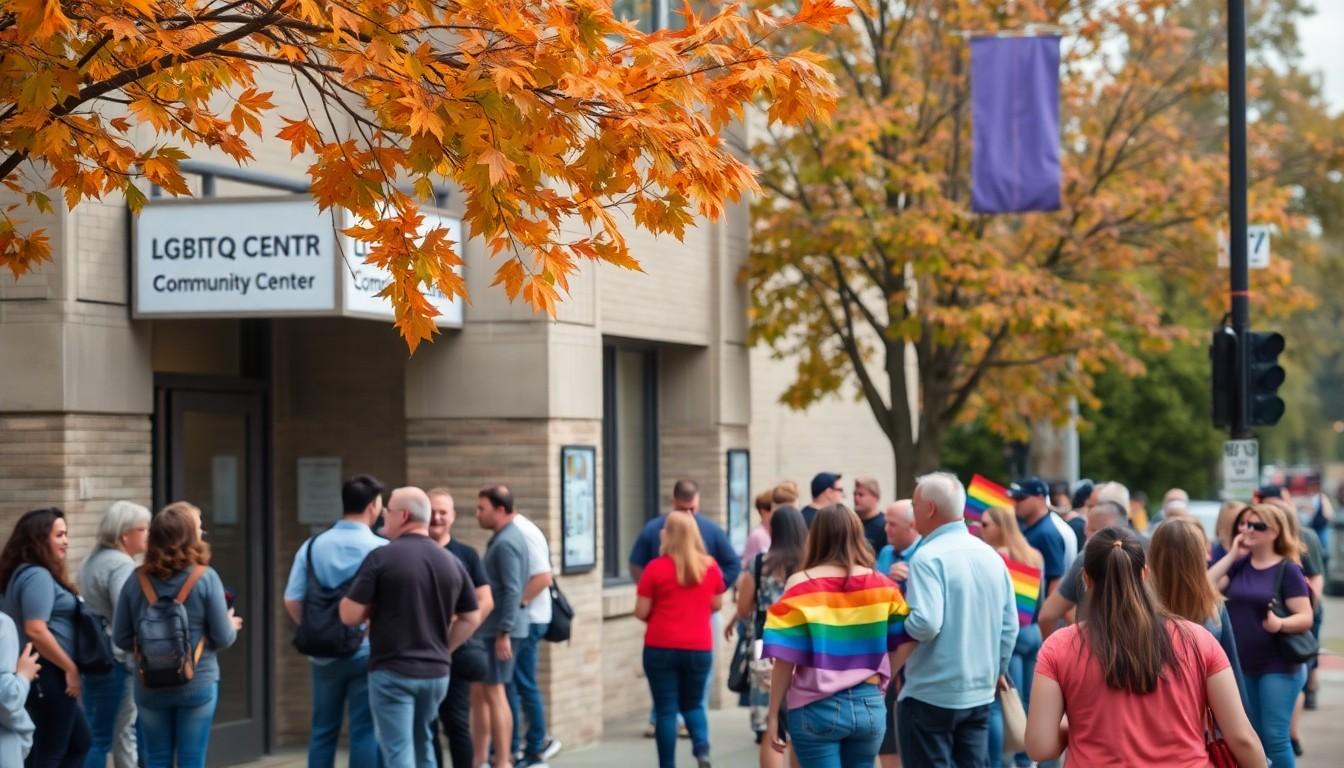
Durham Pride 2026 is returning in the autumn, bringing a week of community events, queer history and a colourful protest march to downtown Durham, North Carolina. With cooler weather, students back in town and a theme centred on belonging, the celebration offers both a joyful gathering and a clear reminder that LGBTQ+ visibility matters all year.
Essential Takeaways
- Autumn timing: Durham’s Pride programme is scheduled for late September and early October, rather than the hotter June season.
- A landmark anniversary: The 2026 celebration reflects on 45 years since Durham’s first Pride march and its roots in queer resistance.
- More than a parade: Events include a food truck gathering, history tour, craft night, faith service and a community march.
- A meaningful theme: “Always Forward, Never Straight: Preserving History, Coming Home” links activism with belonging.
- A welcoming atmosphere: Expect signs, songs, rainbows and celebration, alongside a peaceful call for justice.
Why Durham Pride takes place in the autumn
While many American Pride events arrive in June, Durham’s celebration has long made a virtue of a later date. The autumn calendar brings more forgiving temperatures, while the return of students helps restore the city’s lively, community-minded rhythm.
The timing also sits close to LGBTQ+ History Month and National Coming Out Day on 11 October. That gives the week a useful sense of continuity, rather than treating Pride as a single colourful weekend that disappears when the bunting comes down. Discover Durham’s visitor guidance also presents the event as part of the city’s broader cultural calendar. [2], [4]
For visitors, that means packing for changeable conditions. Comfortable shoes, water and a light layer are sensible choices, especially if you plan to move between outdoor events and downtown venues. Autumn sunshine can still feel surprisingly strong, even when the morning starts cool. [4], [6]
A celebration shaped by Durham’s queer history
This year’s programme looks back to “Our Day Out”, the state’s first Pride march in 1981. That gathering followed the assault and murder of Ronald “Sonny” Antonevitch, and it was shaped by fear as much as determination.
Early marchers sometimes concealed their identities, a stark contrast with today’s glitter, costumes and open celebration. Remembering that history doesn’t make the present-day festivities less joyful. If anything, it gives every rainbow flag and shouted slogan a little more weight.
Durham’s Pride tradition continued through later marches before the city became the regular host of an annual event in 2000. The anniversary therefore offers a chance to celebrate progress without pretending the work is finished. Local event listings and Pride organisers continue to position history, visibility and community action at the heart of the programme. [2], [4], [7]
What’s happening during Pride week?
The week is designed to be broader than one parade. Planned activities include a food truck rodeo, a queer-history tour of downtown, a craft evening and a multi-faith service, giving people several ways to take part.
The food truck event should be an easy entry point for newcomers, particularly anyone who wants a relaxed social setting before joining a larger crowd. Expect the usual festival ingredients: tempting smells, casual conversation and the perennial challenge of choosing lunch when everything looks good. Downtown Durham’s event information highlights the food-focused gathering as part of the wider Pride schedule. [3], [5]
Other events offer a quieter route into the week. A history tour can add context to the streets themselves, while a craft night and faith service create room for reflection, connection and conversation. The official events calendar is the best place to check timings, locations and any updates before setting out. [2], [3]
Is Durham Pride a parade or a protest?
The answer is both. Organisers describe the main gathering as a march and a peaceful protest, with participants expected to bring signs, songs and messages about rights, justice and equality.
That combination is important. Pride can be loud, funny and beautifully dressed, but its public visibility also carries a political message. Marching through the city says that LGBTQ+ people belong in its streets, institutions and future, not only in specially designated celebration spaces.
For first-time attendees, the practical advice is simple: wear comfortable footwear, arrive with time to spare and follow organiser guidance around routes and public safety. If you’re attending with children or anyone sensitive to noise, it may help to agree a meeting point and take breaks away from the busiest areas. [2], [6], [7]
“Queer all year” gives the event its wider purpose
The LGBTQ Center’s “Queer All Year” ethos pushes the programme beyond seasonal symbolism. It argues that community support, dignity and representation shouldn’t be switched on for one month and packed away afterwards.
That idea runs through this year’s theme, “Always Forward, Never Straight: Preserving History, Coming Home”. The wording is deliberately playful, but the message is serious: remember where the movement began, keep organising for a fairer future and make space for people to feel at home in their own lives.
The phrase “coming home” also works on several levels. It points to Durham’s history, the return to a familiar downtown setting and the personal journey towards confidence and belonging. For many attendees, that may be the most powerful part of the week: not simply being seen, but feeling recognised.
Durham Pride looks set to offer the best of both worlds, with colourful public celebration backed by historical memory and community purpose. As autumn approaches, it’s a timely reminder that joy and protest have never been opposites.
It's a small act of celebration, remembrance and solidarity, all rolled into one.
Source Reference Map
Story idea inspired by: [1]
Sources by paragraph: